Why Are My Water Pipes Making a Banging Noise?
Banging or knocking water pipes can disrupt a home's peace and signal plumbing issues such as high water pressure, loose pipes or faulty valves. If left unchecked, some of these problems can lead to leaks, component wear and costly damage.
Plumbing Inspectors helps property owners recognise plumbing concerns and understand when further investigation may be needed. A plumber in Brisbane can identify the cause of noisy pipes and recommend suitable solutions to protect the plumbing system and maintain reliable water flow.
What Is Water Hammer and What Causes It?
Water hammer is the banging or thudding noise that occurs when moving water stops or changes direction suddenly inside a plumbing system. This abrupt change creates a pressure wave that travels through the pipes, causing vibrations and knocking sounds. Repeated water hammer can place stress on pipe joints, valves and fittings, increasing the risk of leaks and premature wear. South East Water explains how water hammer develops and outlines checks that can help identify the cause of banging pipes.
What Causes Water Hammer?
Water hammer commonly occurs when taps, washing machines or dishwashers shut off the water supply quickly. Here are some contributing factors:
- High water pressure: Increases the force of pressure surges when water flow stops.
- Fast-closing valves: Stop moving water abruptly, creating sudden pressure changes.
- Loose pipework: Allows pipes to vibrate or strike nearby surfaces during pressure changes.
- Ineffective water hammer protection: Older air chambers can eventually lose their cushioning effect, while purpose-built water hammer arrestors help absorb pressure surges.
Identifying the cause helps determine the appropriate solution, such as adjusting water pressure, securing loose pipes or installing water hammer arrestors.
What Else Can Cause Banging Noises in Water Pipes?
Banging pipes are not always caused by water hammer. Loose pipework, worn plumbing components and temperature changes can also create knocking, rattling or ticking sounds. Identifying when the noise occurs and where it originates helps narrow down the cause.
Loose or Poorly Secured Pipes
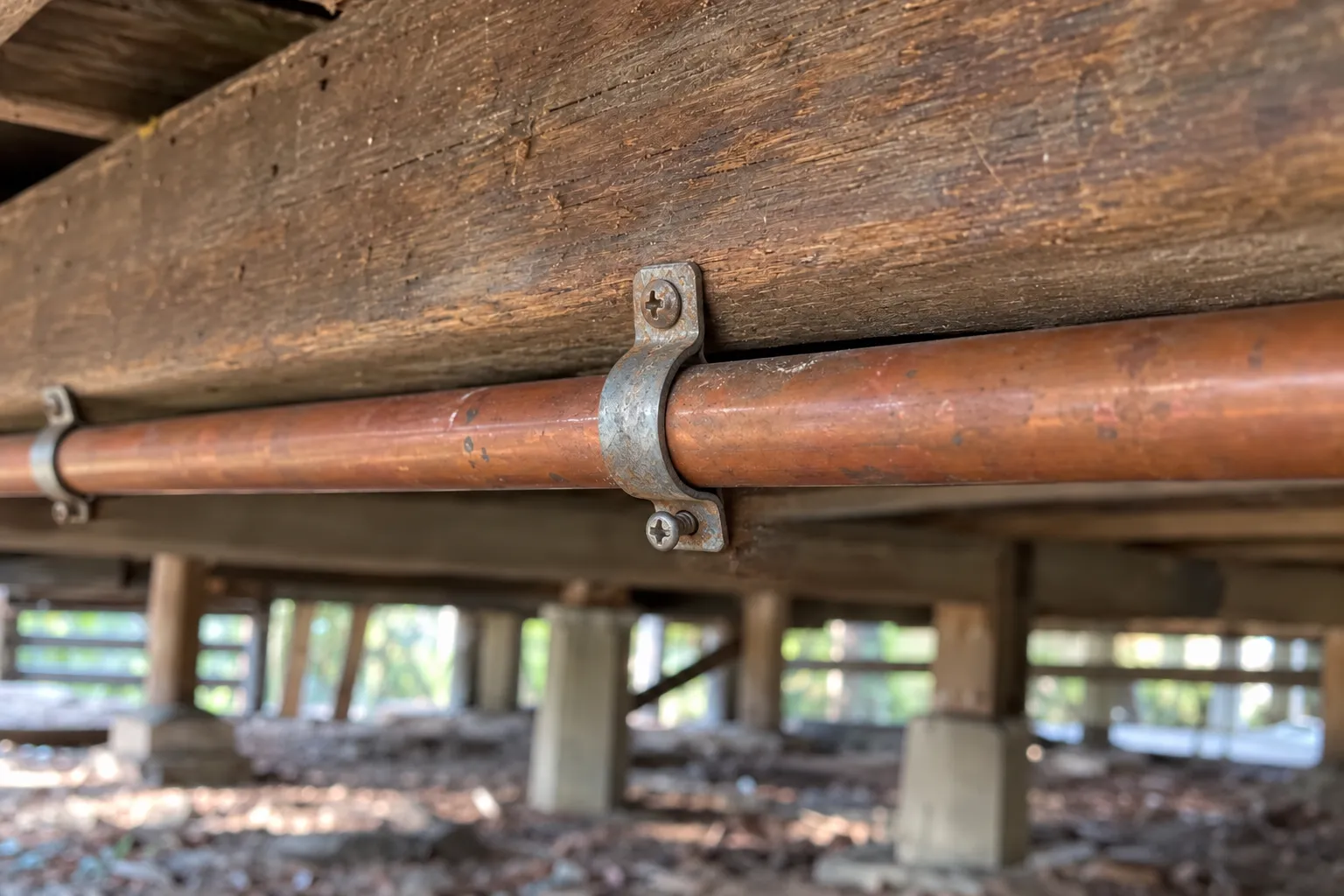
Pipes that are not secured properly can move and strike walls, floors or nearby structures. Worn clips, inadequate supports and long unsupported pipe runs can contribute to repeated knocking. Suitable pipe clips and cushioned supports can help reduce movement and noise.
Worn Valves and Tap Components
Worn tap washers, loose components and faulty toilet fill valves can vibrate or make sudden noises as water flow changes. The sound may be concentrated near the affected fixture. Replacing the faulty component can resolve the noise and restore normal operation. Worn washers, damaged cartridges and pressure-related faults can also cause leaking taps, which may need attention alongside the pipe noise.
Thermal Expansion and Contraction
Hot water pipes expand as they heat up and contract as they cool. If pipes rub against timber, plasterboard or other building materials, this movement can produce ticking, creaking or occasional knocks. The noise often fades as the pipes return to a stable temperature.
A plumber inspects the pipework, identifies the source of the noise and recommends suitable repairs. Handling loose supports, worn components or thermal movement can help reduce noise and prevent further plumbing issues.
Why Do Water Pipes Bang When Taps Are Turned On or Off?
Water pipes can bang when taps are turned on or off because changes in water flow create pressure fluctuations or cause loose plumbing components to vibrate. The timing of the noise can help identify the underlying issue.
Why Do Pipes Bang When Taps Are Turned Off?
When a tap closes quickly, moving water stops abruptly and can create water hammer. The resulting pressure wave may cause pipes to vibrate or knock against nearby surfaces. Fast-closing appliance valves and excessive water pressure can make the noise more pronounced.
Why Do Pipes Bang When Taps Are Turned On?
Opening a tap changes the flow and pressure within the plumbing system. Loose pipes, worn valves or poorly secured fittings may vibrate as water starts moving. If the noise occurs whenever a tap is opened, the affected fixture or nearby pipework may need inspection.
Professionals can examine the pipework and determine whether the noise is caused by water hammer, loose supports or faulty components. Addressing persistent banging early helps reduce stress on plumbing joints and fittings.
Can High Water Pressure Cause Banging Pipes?
Yes, high water pressure can contribute to banging pipes by increasing the force of pressure surges when taps or appliance valves close suddenly. This can worsen water hammer and place additional stress on pipes, joints and fittings. A faulty or incorrectly adjusted pressure-reducing valve (PRV) may also contribute to the problem.
Other warning signs include unusually forceful water flow, noisy appliances and repeated knocking when water stops running. A licensed plumber measures the property's water pressure, check the pressure regulator and determine whether an adjustment or replacement is vital. Pressure should be assessed against the applicable requirements for the property's plumbing system rather than a single range assumed to suit every home.
Suitable plumbing upgrades, such as improved pressure regulation and replacing deteriorated fittings, can help reduce stress on pipework and prevent leaks.
Why Do Water Pipes Make Noise When No Water Is Running?
Water pipes can make noise when all taps are off due to pressure changes, thermal contraction, loose pipework or hidden leaks. Appliances that refill automatically can also cause brief bursts of noise without anyone turning on a tap.
Pressure Changes and Temperature
Pipes can shift slightly as pressure changes, producing occasional clicks or thuds. Hot water pipes may also tick or creak as they cool and contract after use, particularly when rubbing against timber or other building materials.
Loose Pipework
Poorly secured pipes can knock against walls, floors or nearby structures when they move. Worn clips and inadequate supports may cause intermittent banging or rattling, even when water is not actively flowing.
Hidden Leaks and Appliance Refills
A concealed leak may cause continuous hissing or whooshing because water is still moving through the system. A leaking toilet cistern, refrigerator ice maker or another appliance that refills automatically can also trigger brief pipe noises.
Professional leak detection can help locate concealed leaks when pipe noises are accompanied by damp patches or unexplained water use.
Persistent noise should be investigated, especially if it coincides with unexplained increases in water bills, damp patches or reduced water pressure. A plumber checks for hidden leaks, inspect pipe supports and identify pressure-related issues before further damage occurs.
Are Banging Water Pipes More Common in Older Homes?
Yes, banging water pipes can be more common in older homes because pipe clips may loosen, valves can wear out and older plumbing systems may have less effective water hammer protection. These issues allow pipes to vibrate or knock when water flow changes, creating noise behind walls, beneath floors or near fixtures.
Older properties may also have outdated pressure regulation or air chambers that no longer absorb pressure surges effectively. Previous renovations can introduce additional problems if pipework was not adequately supported or pressure conditions changed.
However, newer homes can also experience banging pipes due to excessive water pressure, poorly secured pipework or fast-closing appliance valves. Persistent noise should be investigated regardless of the property's age to help prevent leaks and damage.
Can Banging Water Pipes Cause Damage?
Yes, repeated or forceful banging can damage plumbing by stressing pipes, joints, fittings and valves. Water hammer creates pressure surges that can cause pipes to vibrate or knock, increasing the risk of leaks and premature wear over time.
Beware of these potential damages:
- Loose or leaking joints: Repeated vibration can strain connections and contribute to leaks.
- Pipe and support damage: Unsecured pipes can strike walls, floors or joists, wearing away insulation and loosening clips or fixings.
- Valve and fitting wear: Pressure surges can damage internal components and shorten the lifespan of plumbing fixtures.
- Pipe failure: Severe pressure surges can place additional stress on older, corroded or weakened pipework.
Occasional light ticking or creaking may result from normal thermal movement and does not necessarily indicate damage. However, frequent, loud banging or noise accompanied by leaks or pressure changes should be investigated to identify the cause and reduce the risk of further problems.
How Can You Stop and Prevent Water Pipes From Banging?
Stopping banging water pipes starts with identifying the cause. High water pressure, water hammer, loose pipework and worn plumbing components require different solutions, so addressing the underlying issue is more effective than simply masking the noise.
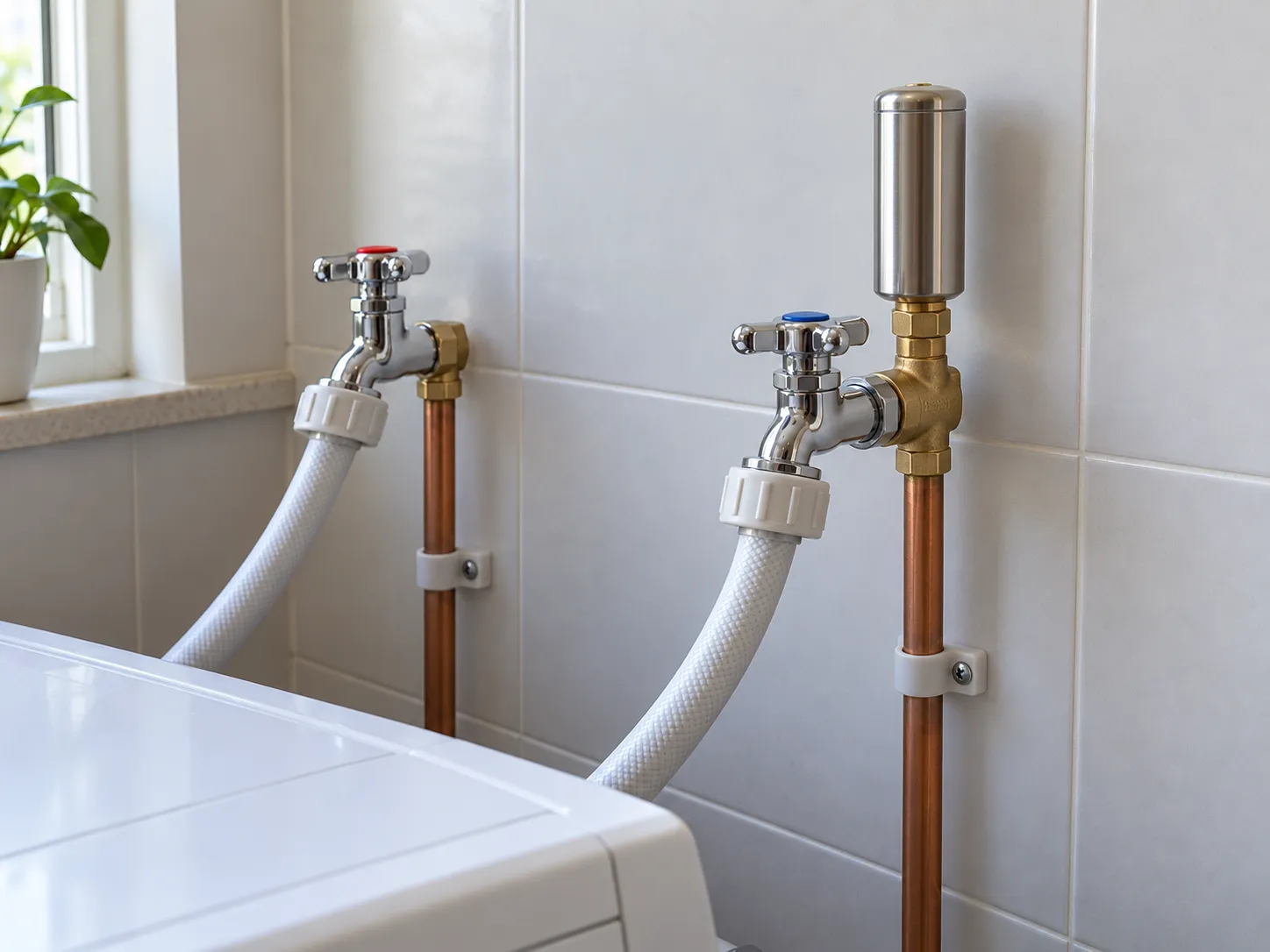
Common ways to stop and prevent banging pipes include:
- Maintain suitable water pressure: A licensed plumber can test household pressure and adjust or replace a faulty pressure-reducing valve if necessary.
- Avoid abrupt changes in water flow: Closing taps more gradually may help reduce pressure surges in some plumbing systems, although it will not resolve every cause of banging.
- Secure loose pipework: Suitable pipe clips and cushioned supports help prevent pipes from striking walls, floors and surrounding structures.
- Install water hammer arrestors: These devices absorb pressure surges when taps or appliance valves close suddenly. They can be useful near washing machines and dishwashers.
- Repair faulty components: Worn tap washers, faulty toilet fill valves and defective appliance inlet valves can contribute to noise. Repairing or replacing the affected parts can restore normal operation.
Regular plumbing inspections can help identify worn components, loose supports and pressure issues before they cause further problems. If banging continues despite these measures, experts will check the system, locate the underlying cause and recommend appropriate repairs.
When Should You Call a Plumber About Noisy Pipes?
Occasional light pipe noises may be harmless, but persistent, loud or sudden banging can indicate water hammer, excessive water pressure, loose pipework or faulty plumbing components. Professional inspection can help identify the cause and reduce the risk of leaks or further damage. QBCC guidance on licensed plumbing work explains which work requires a licensed plumber and how homeowners can check a plumber’s licence.
Persistent or Loud Banging
Contact a professional if pipes bang repeatedly when taps or appliances shut off, particularly if the noise is becoming louder or can be heard throughout the home. Severe water hammer can place stress on joints, fittings and valves.
Changes in Water Pressure
Sputtering taps, uneven water flow or noticeable pressure changes alongside pipe noise may indicate a faulty pressure regulator or valve. A plumber will test the system and determine whether repairs are needed.
Noises Behind Walls or Floors
Persistent banging from concealed pipework should be investigated, specifically if accompanied by damp patches, water stains or musty smells. These signs may indicate loose pipes or a hidden leak.
New Noises After Plumbing Work
If banging starts after a renovation, appliance installation or plumbing upgrade, incorrect pressure settings, loose supports or faulty connections may be responsible. Prompt inspection can help resolve the issue before further damage occurs.
Plumbing Inspectors assists in recognising potential plumbing concerns and understanding when further investigation may be needed. Addressing unusual pipe noises promptly can prevent minor issues from developing into costly repairs while supporting the long-term reliability of the plumbing system.