

Why Won’t My Tap Stop Leaking?
A tap that keeps dripping after it has been turned off usually points to wear inside the tap assembly or a broader issue affecting how the fitting seals. As a plumber in Brisbane, Plumbing Inspectors regularly finds that persistent tap leaks are caused by worn washers, damaged cartridges, deteriorated seals, corrosion inside the tap body or pressure-related faults within the plumbing system.
This article explains what causes taps to keep leaking, which internal parts usually fail first, how to recognise the early signs of a developing problem and when repair is likely to be enough. It also outlines when a leaking tap may indicate a larger plumbing issue and when replacement becomes the more practical long-term solution.
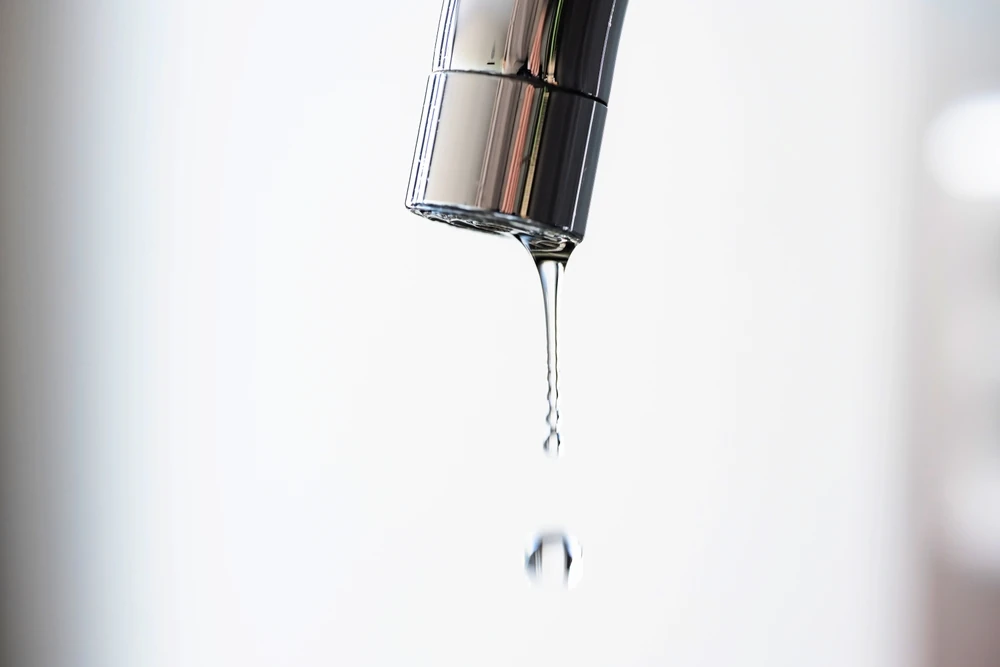
Why the Tap Keeps Dripping Even When Fully Closed
A tap that keeps dripping even when the handle is turned fully off usually indicates a worn internal part or a problem with water pressure rather than simple misuse. The outside of the tap may look fine, yet a small failure inside can still allow water to pass through and appear as a steady drip. Understanding what is happening within the tap helps determine whether a simple repair is likely to solve the issue or whether the fitting has reached the end of its useful life.
Most persistent tap leaks come back to a few common causes. These include worn washers, failed O-rings, damaged cartridges, rough or pitted valve seats, corrosion inside the tap body and pressure issues that stop the internal parts from sealing properly. In some cases, the leak may also point to a larger plumbing problem affecting the fitting.
Worn Washers and Internal Seal Failure
Persistent dripping from a tap is very often traced back to worn washers or failed internal seals. These small parts create the watertight barrier inside the tap body and, once they begin to deteriorate, water can work past them even when the handle is fully turned off.
Understanding how washers and seals function makes it easier to judge whether a straightforward repair is likely to solve the problem or whether the tap is better replaced. It also helps separate a basic sealing issue from faults involving the cartridge, body or pressure conditions.
How Washers and Seals Cause Drips
Traditional compression taps rely on a rubber or fibre washer fixed to the end of the spindle. When the tap is closed, the washer presses tightly against the valve seat to stop the flow of water. Over time, heat, mineral deposits and repeated compression can harden, flatten or split the washer. Once this happens, water is able to track around the damaged surface and drip from the spout.
Mixer taps and quarter-turn models use different internal designs, but they still rely on rubber seals and O-rings to keep water contained. If those seals perish, shrink or lose flexibility, water can escape from the spout, around the handle or at the base of the fitting.
Typical Signs of Washer or Seal Failure
Several common symptoms suggest the problem is inside the tap rather than in the surrounding pipework or fittings:
- Dripping from the spout only
- A leak that worsens gradually over time
- The need to close the tap harder than before
- Water appearing around the handle or spout base
If the leak is limited to the spout, the main sealing surface is usually the first place to check. If the leak appears around moving parts or the body of the tap, an internal O-ring or body seal may be failing instead.
Basic Repair Approach
Repair usually involves dismantling the tap, checking the sealing components and replacing the worn parts with correct matches. The process depends on the tap type, but it generally includes:
- Turning off the water supply and relieving pressure
- Removing the handle and trim to access the spindle or cartridge
- Inspecting the washer, seals and O-rings for wear
- Matching replacement parts by size and profile
- Checking the valve seat for roughness or pitting
If the tap body is in good condition, replacing the sealing parts is often enough to restore a proper seal. If the seating surface is badly worn or the tap has multiple internal faults, replacement may be the better long-term option.
Cartridge Problems in Modern Mixer Taps
In modern mixer taps, a constant drip is often caused by cartridge failure rather than a simple washer problem. The cartridge controls both water flow and temperature, and when it begins to wear or becomes damaged, the tap may leak even though the handle appears to be fully off.
Because cartridges are internal components, the problem is not always obvious from the outside. A tap can still look sound and operate normally in some positions while allowing a steady drip from the spout.
How Mixer Tap Cartridges Work
Most mixer taps use a ceramic disc cartridge. Inside the cartridge, two smooth ceramic discs slide across one another to open and close the water pathways. When the discs no longer align properly or when sealing parts around the cartridge begin to fail, water can continue passing through even when the handle is in the off position.
Some mixer taps also contain thermostatic cartridges, especially in showers and bath mixers. These regulate water temperature, but they can also wear over time and contribute to dripping, stiffness or inconsistent shut-off.
Common Signs of Cartridge Failure
Typical signs that a cartridge may be failing include:
- Dripping from the spout after the tap is turned off
- A stiff, gritty or unusually loose handle
- Difficulty controlling water temperature
- A handle that no longer sits properly in the off position
In some cases, water may also leak around the handle or base of the spout. If replacing visible seals does not fix the issue, the cartridge often becomes the next likely cause.
Causes of Cartridge Damage and Wear
Cartridges are sensitive to debris, pressure and poor installation. Fine grit, scale or rust in the water supply can score the ceramic surfaces or block the internal passages. High water pressure can place extra stress on the cartridge and shorten its service life. Incorrect installation can also distort seals or prevent the cartridge from seating properly inside the body of the tap.
Where a cartridge is worn, cracked or no longer sealing correctly, replacement is usually the most reliable repair.
Water Pressure Issues That Prevent a Proper Seal
A tap does not always leak because a part has worn out completely. In some cases, water pressure that is too high or unstable can force water past otherwise serviceable sealing surfaces. This is one reason some taps continue dripping even after washers, O-rings or cartridges have been replaced.
Looking beyond the tap itself is important where leaks keep returning. If new parts fail quickly or the drip is worse at certain times of day, the supply pressure may be contributing to the problem.
How High Pressure Causes Leaks at the Tap
Excessive pressure can deform washers, stress seals and interfere with the way cartridges close. Instead of seating squarely, the internal components are exposed to more force than they were designed to handle. Over time, this can wear sealing surfaces more quickly and allow water to pass through when the tap is meant to be off.
Useful warning signs include a forceful spray at the outlet, banging when the tap is closed or drips that worsen overnight when mains pressure is often higher.
Recognising Unstable or Fluctuating Pressure
Pressure does not need to stay constantly high to create sealing problems. Sudden fluctuations can repeatedly disturb the seal inside the tap and produce intermittent leaks that are harder to diagnose.
Common signs include:
- Flow that surges and then drops while the tap is running
- Drips that appear at certain times of day
- Noise in the pipework when fixtures are used
- Repeated failure of new tap components
These conditions may relate to the incoming mains supply, restricted valves, undersized pipework or water hammer within the system.
Corrosion and Damage Inside the Tap Body
Corrosion and internal wear are common reasons a tap keeps dripping even after washers or cartridges have been replaced. When the sealing surfaces inside the tap body become rough, pitted or distorted, new parts may no longer be able to sit evenly and form a watertight seal.
This is one reason repeated small repairs do not always solve an ongoing leak. If the structure of the tap body itself has deteriorated, the problem often continues until the fitting is replaced.
How Internal Corrosion Causes Persistent Leaks
In traditional washer taps, the seal depends on a smooth valve seat. In mixer taps, cartridges and O-rings rely on accurately shaped internal surfaces. Corrosion, pitting and wear can interrupt those surfaces and create small channels for water to escape through.
Hard water, age, debris in the supply and chemical exposure can all contribute to this type of damage. Even when the internal parts are replaced, the seal may still fail if the surrounding body is no longer smooth or properly shaped.
Recognising Corrosion and Internal Damage
Once dismantled, signs of internal damage are often quite clear. Common issues include:
- Pitting or crater-like marks on the valve seat
- Deep grooves worn into the sealing surface
- Green or white corrosion deposits inside the tap body
- Oval wear around O-ring grooves or cartridge chambers
Older taps may also show signs of overtightening, where repeated force has damaged the seat or surrounding metal.
When the Tap Body Is Beyond Repair
Minor damage can sometimes be addressed. In some traditional taps, the valve seat can be lightly re-faced to restore a smoother sealing surface. Once the corrosion is extensive, the grooves are deep or the body is cracked, replacement becomes the more reliable option.
At that point, continuing to change washers or seals is unlikely to provide a lasting result.
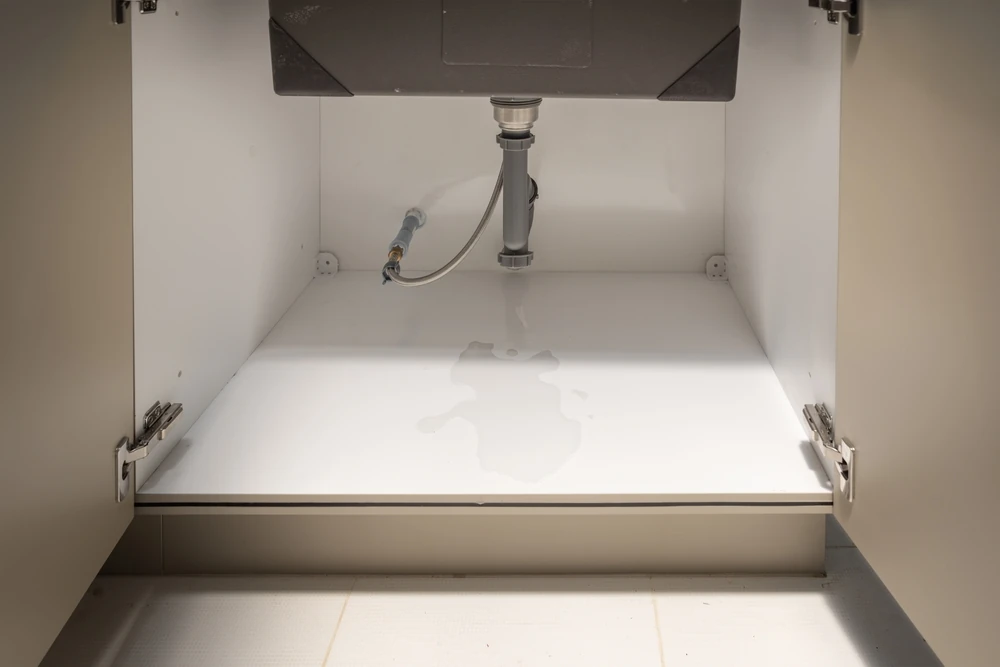
When a Persistent Leak Points to a Larger Plumbing Problem
A leaking tap is not always an isolated fixture issue. When a leak keeps returning after basic repairs, it may indicate a broader plumbing problem affecting the fitting. This is especially important where multiple leaks are appearing across the property or where signs of water damage are developing nearby.
Looking at the wider system helps determine whether the tap is the source of the issue or whether it is responding to a fault elsewhere in the plumbing.
Signs the Problem Is in the Pipework, Not the Tap
Certain signs suggest the leak may be linked to the supply pipework or fittings behind the wall, under the floor or inside cabinetry:
- Water staining or bubbling paint near the fixture
- Damp or swollen cabinetry beneath sinks
- Musty smells around the vanity or kitchen unit
- Water sounds inside the wall when the tap is off
If the tap has been repaired correctly and the leak returns quickly, pressure problems, hidden pipe leaks or failing connections behind the fitting may need to be investigated.
Mains Water Pressure and Water Hammer
Consistently high mains pressure can shorten the life of tap components and contribute to repeated leaks. Water hammer can do the same. When water flow stops abruptly, the resulting shock travels through the pipework and places extra stress on taps, valves, hoses and joints.
Where pressure or water hammer is contributing to repeated leaks, the most effective solution may involve broader plumbing work such as pressure control or additional protective fittings rather than another tap repair alone.
Multiple Leaks Around the Property
If several taps, toilets or other fixtures begin leaking within a short period, the issue is often larger than any one fitting. This can point to:
- System-wide pressure that is too high
- General deterioration in ageing pipework
- Water quality issues affecting seals and cartridges
- Recent building work that has disturbed older plumbing
In these situations, treating each leak in isolation often leads to repeated repairs without addressing the main cause.
Repairing the Tap vs Replacing It Entirely
A leaking tap often comes down to a practical decision: repair the existing fitting or replace it altogether. The right choice depends on the age of the tap, the condition of the body, the availability of parts and how often the leak has returned.
In many cases, a targeted repair is all that is needed. In others, replacement is more cost-effective and more reliable over the long term.
When Repairing the Tap Makes Sense
Repair is often the best option where the tap is relatively modern, the body is still in sound condition and replacement parts are easy to obtain.
A repair is usually worth considering if:
- The tap is still in generally good condition
- The leak is linked to a worn washer, seal or cartridge
- The body is not cracked or heavily corroded
- Suitable replacement parts are readily available
Where access is straightforward and the problem is limited to serviceable internal components, repair is often the most practical first step.
When Replacement Is the Better Option
Replacement is usually the better option when the tap has multiple faults, the body is deteriorating or the same leak keeps returning after repair.
Replacement should be considered if:
- The body is cracked, badly corroded or leaking from multiple points
- The tap is very stiff or unreliable to operate
- Parts are obsolete or difficult to source
- Previous repairs have not lasted
- The fitting is approaching the end of its service life
Replacing the tap can also provide an opportunity to upgrade to a more efficient, easier-to-use fitting with modern internal components.
A tap that will not stop leaking is rarely caused by guesswork-level issues alone. In many cases, the problem comes back to worn washers, failed seals, cartridge faults, pressure problems or corrosion within the tap body. In others, the leak points to a larger plumbing issue that is putting ongoing stress on the fitting.
Identifying the actual cause matters more than repeatedly tightening the handle or replacing parts without inspection. Once the source of the leak is properly understood, it becomes much easier to decide whether a straightforward repair is likely to last or whether full replacement is the smarter long-term solution.

.webp)