What Are the Signs of a Gas Leak in Your Home?
Gas leaks can pose serious risks to household safety and property. Recognising warning signs such as a rotten egg smell, hissing sounds or unusual appliance behaviour helps homeowners respond quickly. Emergency plumbers in Brisbane can help arrange appropriate assistance when a gas-related problem is suspected.
Plumbing Inspectors highlights common gas leak warning signs, potential causes, household appliances at risk and practical ways to prevent leaks.
Knowing when to evacuate and contact the gas emergency service or a licensed gas fitter can help protect household occupants and prevent serious incidents.
What Does a Gas Leak Smell Like?
A gas leak may produce a distinctive rotten egg or sulphur smell. Natural gas and LPG are naturally odourless, so an odourant is added to help people detect escaping gas. The resulting smell is often noticeably different from ordinary household odours.
Queensland Government gas safety guidance explains that an odourant is added to natural gas and LPG to help people detect leaks.
Common Descriptions of a Gas Leak Smell
A gas leak odour may be described as:
- Rotten eggs or sulphur
- Decaying cabbage
- A strong, unpleasant chemical or skunky smell
The odour may be noticeable near gas appliances, pipe connections or the gas metre. However, the intensity can vary depending on the location and amount of escaping gas.
Smell alone cannot confirm whether a property is safe. If a gas leak is suspected, occupants should leave immediately, avoid operating electrical switches or using a phone indoors and contact the gas emergency service from a safe location.
What Are the Other Warning Signs of a Gas Leak?
A gas leak may be difficult to identify through smell alone. Changes in appliance performance, unusual sounds and visible damage can indicate a gas-related fault or another safety issue.
Beware of these warning signs:
- Hissing sounds: A hissing noise near gas pipes, valves or connections may indicate escaping gas.
- Unusual appliance behaviour: Appliances that repeatedly fail to ignite or unexpectedly go out may have a fault requiring professional assessment.
- Unusual flame colour: Yellow or orange flames can indicate a combustion problem, particularly when a normally blue flame changes colour. This does not confirm a gas leak on its own.
- Soot or unusual condensation: Black staining around burners or unexplained condensation near an appliance may indicate incomplete combustion, poor ventilation or another fault.
- Visible pipework damage: Corrosion, damaged hoses and deteriorating connections can compromise the gas installation.
- Changes outdoors: Dead vegetation above underground gas lines, bubbling in wet ground or hissing near the gas metre may indicate a leak.
These signs do not always mean gas is escaping, but they warrant attention. If a leak is suspected, leave the property and contact the gas emergency service from a safe location. Do not attempt to locate or repair the problem yourself.
Can a Gas Leak Occur Without a Smell?
Yes, a gas leak can occur without a noticeable odour. Although an odourant is added to natural gas and LPG, the smell may be difficult to detect because of a reduced sense of smell, competing odours or the way escaping gas disperses. A gradual leak may also go unnoticed.
Carbon monoxide presents a separate but related household safety risk. It is colourless and odourless and can be produced when gas appliances burn fuel incompletely. A faulty appliance or inadequate ventilation may increase the risk of exposure.
Warning symptoms of carbon monoxide exposure include headaches, dizziness, nausea, unusual fatigue and confusion. These symptoms can have other causes, so they cannot confirm exposure on their own.
If a gas leak or carbon monoxide exposure is suspected, leave the property immediately. Contact the appropriate emergency service from outside and seek urgent medical assistance if anyone feels unwell. Do not re-enter until the property has been confirmed safe.
What Causes Gas Leaks in Residential Properties?
Gas leaks can develop when pipework deteriorates, connections wear out, appliances become faulty or gas lines are accidentally damaged. These problems may develop gradually or occur suddenly following equipment failure or building work.
Regular maintenance can help identify deterioration, but suspected leaks require immediate action. Repairs and modifications must be completed by an appropriately licensed gas fitter in Queensland.
Ageing or Corroded Pipes
Metal gas pipes can corrode or weaken through exposure to moisture, harsh conditions and general deterioration. Cracks or damaged sections may allow gas to escape, particularly where pipework is concealed or underground.
A licensed gas fitter can assess the affected pipework and determine whether repairs or replacement are necessary.
Loose Connections and Worn Seals
Connections, valves, seals and flexible hoses can deteriorate through regular use, heat exposure or movement. Incorrectly fitted or damaged components may allow gas to escape around appliances or pipe joints.
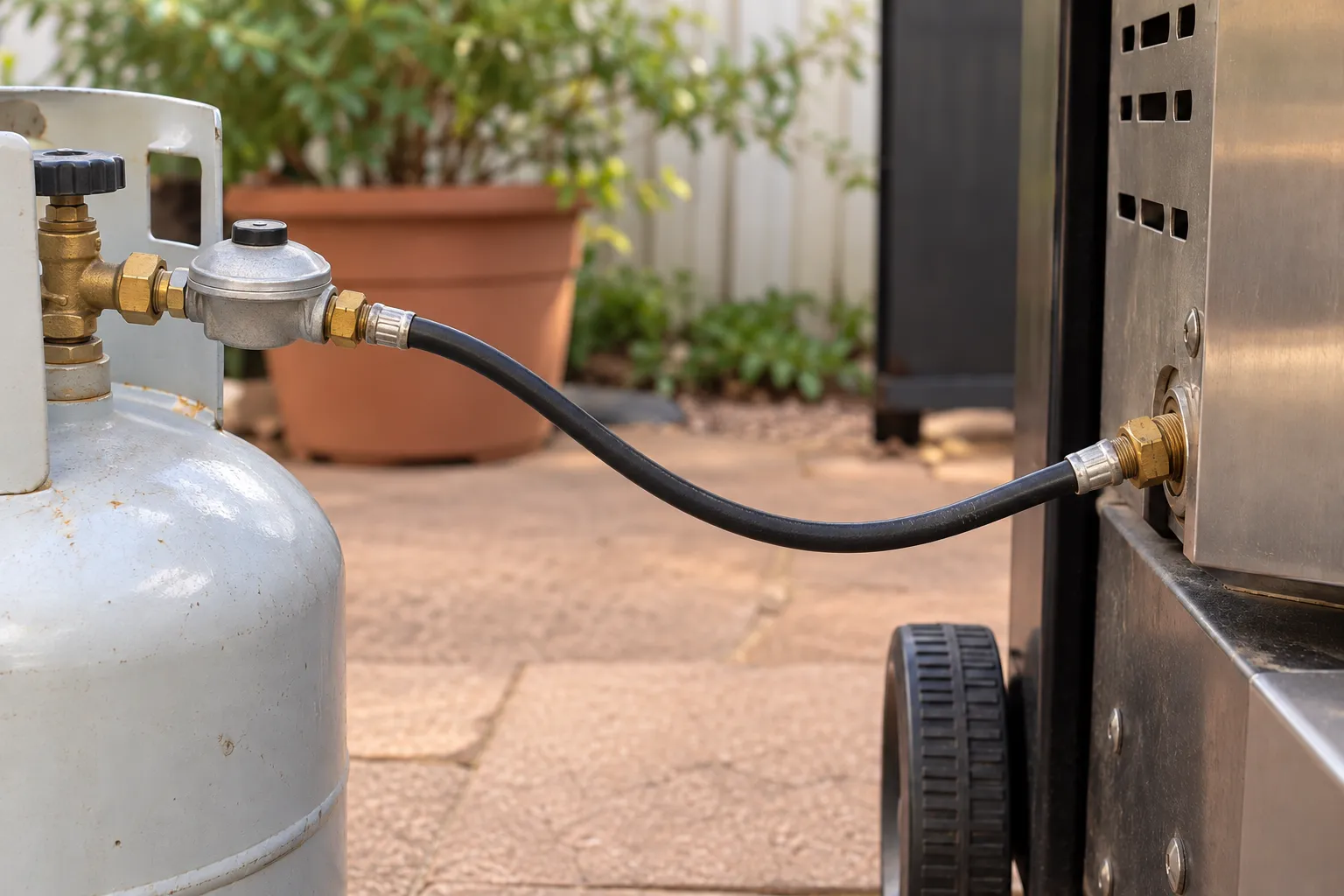
Suspected leaks around connections should be assessed professionally. Homeowners should not attempt to tighten fittings or repair gas lines themselves. Understanding DIY plumbing risks helps explain why gas pipework and appliance connections should be left to qualified professionals.
Faulty Appliances or Incorrect Installation
Faulty valves, regulators and internal appliance components can compromise the gas supply. Incorrect installation or unsuitable fittings may also create leaks or other safety hazards.
Appliances that develop persistent ignition problems, unusual smells or other concerning changes should be assessed by an appropriately licensed professional. Recurring hot water problems, such as ignition failures or a loss of hot water, may also indicate a fault requiring professional assessment.
Accidental Pipework Damage
Drilling, renovations, landscaping and excavation can damage concealed or underground gas pipes. Even minor damage may compromise a pipe and allow gas to escape.
Before work begins, gas service locations should be identified. If a gas pipe is damaged and a leak is suspected, stop work, leave the area and contact the gas emergency service from a safe location. Do not attempt a DIY repair.
Which Household Appliances Can Develop Gas Leaks?
Several household appliances can develop gas leaks when hoses, connections or internal components deteriorate. Knowing which appliances may be affected helps homeowners recognise potential problems and arrange appropriate maintenance.
Here are some examples:
- Gas cooktops and ovens: Worn hoses, faulty valves, damaged seals or loose connections can allow gas to escape.
- Gas hot water systems: Damaged connections, faulty valves and deteriorating components may cause leaks. Repeated ignition problems also warrant professional assessment.
- Gas heaters and fireplaces: Worn fittings, damaged hoses or faulty internal components can lead to leaks. Combustion faults may also create a carbon monoxide risk.
- Outdoor barbeques and patio heaters: LPG cylinders, regulators, hoses and connection points can deteriorate through weather exposure, wear or physical damage.
An appliance fault does not necessarily mean gas is leaking. However, unusual odours, hissing sounds and visible damage should never be ignored. Homeowners should not dismantle appliances or test fittings themselves. A gas fitter can identify faults, complete repairs and perform the necessary safety checks before the equipment is used again.
What Are the Health Risks of a Gas Leak?
The health risks of a gas-related incident depend on the substance involved, its concentration and the duration of exposure. Natural gas and LPG can displace oxygen at high concentrations, potentially causing breathing difficulties, dizziness and loss of consciousness. Escaping gas can also create a fire or explosion hazard.
Faulty gas appliances may produce carbon monoxide through incomplete combustion. This gas prevents the body from transporting oxygen effectively and can cause serious illness or death. Better Health Channel explains the carbon monoxide risks associated with faulty gas heaters, including warning symptoms and the importance of professional servicing.
Possible symptoms of gas or carbon monoxide exposure include:
- Headaches, dizziness or light-headedness
- Nausea, fatigue or unusual drowsiness
- Confusion or difficulty concentrating
- Shortness of breath or chest discomfort
- Loss of consciousness in severe cases
Children, older adults and people with heart or lung conditions may be vulnerable to harmful exposure. Pets may also be affected.
If anyone experiences symptoms, move everyone outside into fresh air and seek urgent medical or emergency assistance. Do not re-enter the property until emergency personnel confirm it is safe.
What Should You Do if You Suspect a Gas Leak?
A suspected gas leak requires immediate action because escaping gas can create a risk of fire, explosion or oxygen deprivation. The priority is to get everyone out safely and contact the appropriate emergency service from outside.
Follow these steps if a gas leak is suspected:
- Evacuate immediately: Get everyone outside and move away from the suspected leak. Do not delay evacuation to collect belongings or investigate the source.
- Avoid ignition sources: Do not operate light switches, electrical appliances or fans, use a phone indoors, smoke or light a flame. Avoid anything that could create a spark.
- Contact the gas emergency service: Call from a safe location outside and away from the suspected leak. Contact emergency services if there is an immediate threat to life, fire or explosion.
- Do not attempt repairs: Do not inspect damaged pipework, test connections or try to stop the leak yourself. Only operate a gas shut-off valve if the emergency service advises it and it can be reached safely without approaching the leak or delaying evacuation.
When Is It Safe to Return?
Do not re-enter the property until the gas emergency service or relevant authorities confirm it is safe. A licensed gas fitter should inspect the installation, complete any necessary repairs and perform the required safety checks before the affected system is returned to service.
Routine maintenance can help identify deteriorating components, but it must never delay evacuation or emergency assistance when a leak is suspected.
Who Should You Contact for a Suspected Gas Leak?
If a gas leak is suspected, occupants should prioritise evacuation and contact the appropriate gas emergency service. A plumber should not be the first point of contact when escaping gas presents an immediate danger.
When to Seek Emergency Assistance
Contact the relevant gas emergency service from a safe location if there is a persistent gas smell, hissing near gas pipework, visible damage to gas lines or suspected pipe damage following renovation or excavation work.
If there is an immediate threat of fire or explosion, or anyone experiences serious symptoms, contact emergency services as well. Do not operate electrical switches, use a phone indoors, investigate the leak or attempt repairs.
Why a Licensed Gas Fitter Is Essential
Once the immediate danger has been controlled, a licensed gas fitter can inspect the installation, identify the fault and complete the required gas fitting repairs and safety checks. Not every emergency plumber is authorised to carry out gas work, so homeowners should confirm that the professional engaged holds the appropriate licence for the work required.
The gas supply and affected appliances should not be used again until the installation has been confirmed safe. Prompt assessment and proper repairs help reduce the risk of further exposure and recurring faults.
How Do Licensed Gas Fitters Detect and Repair Gas Leaks?
Licensed gas fitters use specialised equipment and testing procedures to locate leaks, repair faulty components and confirm that the gas installation is safe to use. The process involves assessing the affected system, controlling immediate risks and completing the necessary repairs and safety checks.
How Gas Leaks Are Detected
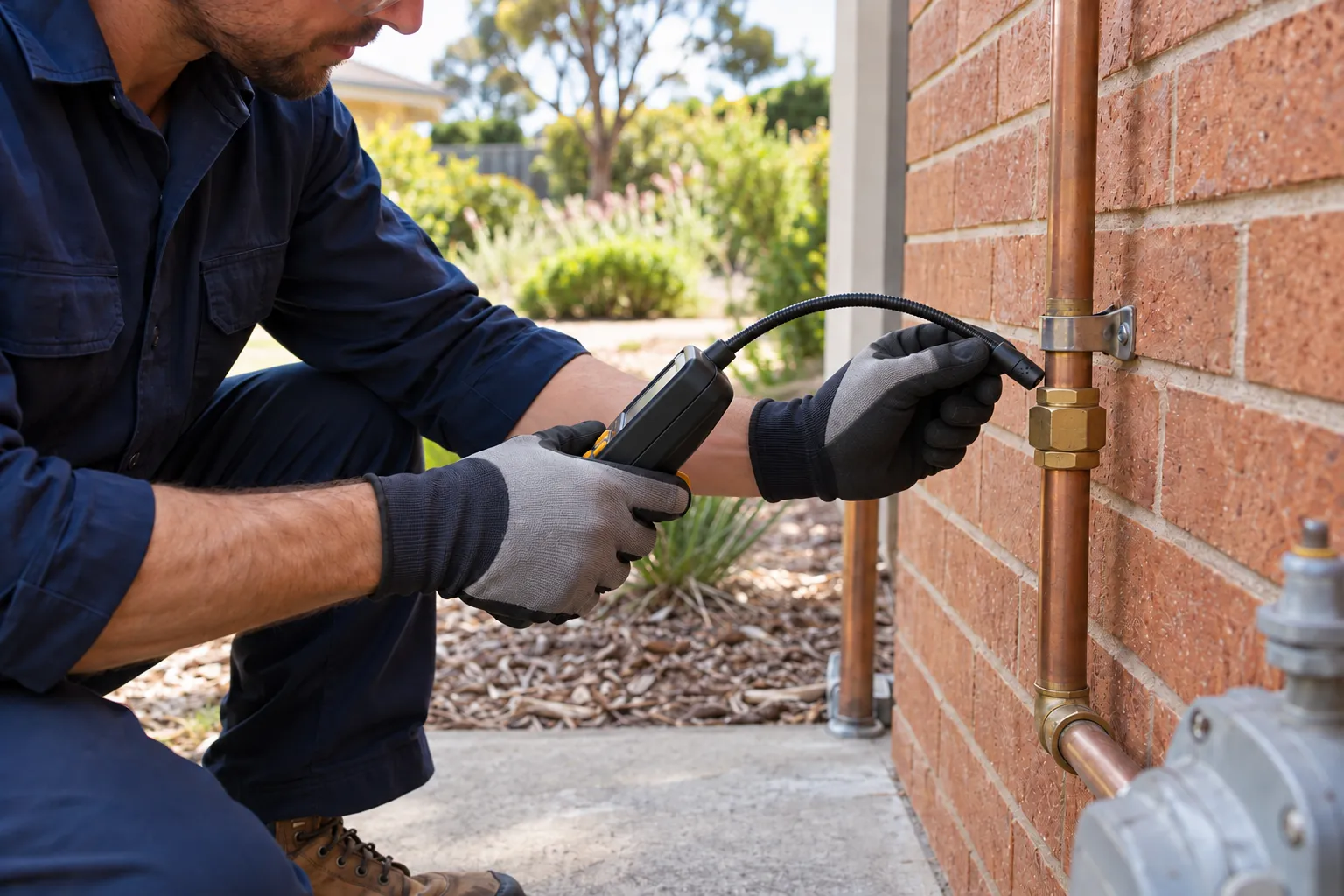
Gas fitter assesses the pipework and appliances, then uses appropriate methods to locate and confirm a suspected leak. These may include:
- Electronic gas detectors: Identify escaping gas around accessible pipes, valves, connections and appliances.
- Pressure testing: Checks whether the gas installation maintains the required pressure.
- Approved leak detection solutions: Reveal escaping gas at suitable joints through visible bubbles.
The fitter determines how to make the installation safe before carrying out any inspection or testing. Homeowners should not attempt these procedures themselves.
How Leaks Are Repaired and Tested
Once the source is identified, the gas fitter repairs or replaces the faulty component. Depending on the problem, this may involve replacing damaged pipework, worn hoses, faulty valves or defective connections. An appliance that cannot be repaired safely may need to be replaced.
After completing the work, the fitter performs the required pressure and leak tests and checks appliance operation, combustion and ventilation where applicable. The installation should only return to service after it has passed the relevant safety checks.
How Can You Prevent Gas Leaks in Your Home?
Preventing gas leaks involves regular professional maintenance, correct appliance use and protecting gas pipework from damage. These precautions can help identify deteriorating components and reduce avoidable risks.
Homeowners can help protect their household by following these practices:
- Arrange professional inspections and servicing: Follow manufacturer recommendations for gas appliance maintenance and have suspected faults assessed promptly.
- Use appliances correctly: Follow operating instructions, maintain required ventilation and keep flues and vents clear. Never use a gas oven or cooktop to heat a room.
- Watch for warning signs: Persistent ignition problems, unusual smells, damaged hoses, corrosion or changes in appliance operation warrant professional assessment.
- Protect gas pipework: Check the location of concealed services before drilling, nailing or undertaking renovations. Never bend, modify or use gas pipes to support other items.
- Maintain flexible connectors: Keep accessible hoses free from kinks and visible damage. Arrange replacement according to manufacturer recommendations and have damaged connectors assessed.
- Use appropriately licensed professionals: New gas appliance installations, pipework modifications and repairs must be completed by a professional licensed for the work. DIY gas work can create leaks and serious safety hazards.
Professional maintenance helps reduce the likelihood of gas leaks, but it cannot guarantee that a fault will never occur. If a leak is suspected, leave the property and contact the gas emergency service from a safe location rather than attempting maintenance or repairs.
Recognising warning signs and responding promptly are essential for protecting household occupants from gas-related hazards. Unusual odours, hissing sounds, damaged pipework and unexplained appliance problems should be taken seriously, while symptoms of carbon monoxide exposure require urgent attention.
Plumbing Inspectors highlights the importance of professional assessment and safe gas installation and maintenance. Ensuring that gas work is completed by a licensed gas fitter helps keep residential gas systems safe and reliable.