

Plumbing Jobs You Should Never Attempt Yourself
When plumbing problems happen suddenly, it can be tempting to look for a quick fix and handle the issue without professional help. At Plumbing Inspectors, many of the more serious problems seen across Brisbane involve work that appears manageable at first but carries legal, safety and long-term property risks when done incorrectly.
This article explains which plumbing jobs should always be left to qualified professionals and why. It outlines the hidden risks involved in high-risk plumbing work, the legal and insurance implications of unlicensed repairs and the signs that a problem has moved beyond basic maintenance and requires a licensed plumber.
Why Some Plumbing Work Should Never Be DIY
Some plumbing tasks look straightforward on the surface yet involve hidden risks that are not obvious until serious damage is done. Certain jobs affect the structure of a property, the safety of drinking water or the integrity of drainage systems, so an error can quickly turn into flooding, contamination or major repair costs.
Understanding where DIY stops and professional work must begin is not about enthusiasm or willingness to learn. It is about legal requirements, safety standards and the complexity of plumbing systems that are often concealed behind walls, floors and ceilings.
Safety Risks That Are Not Immediately Obvious
Plumbing interacts with electricity, gas and structural components, which means a simple mistake can create dangerous conditions. Hot water systems operate under pressure and at high temperatures. Incorrectly installing or modifying a cylinder, tempering valve or relief valve can lead to scalding water at taps or, in extreme cases, a tank rupture.
Cutting into walls or floors to move pipework can weaken joists or studs if not done correctly. Hidden junction boxes or electrical cables are sometimes located close to pipe runs. Drilling or cutting in the wrong place risks electric shock or fire.
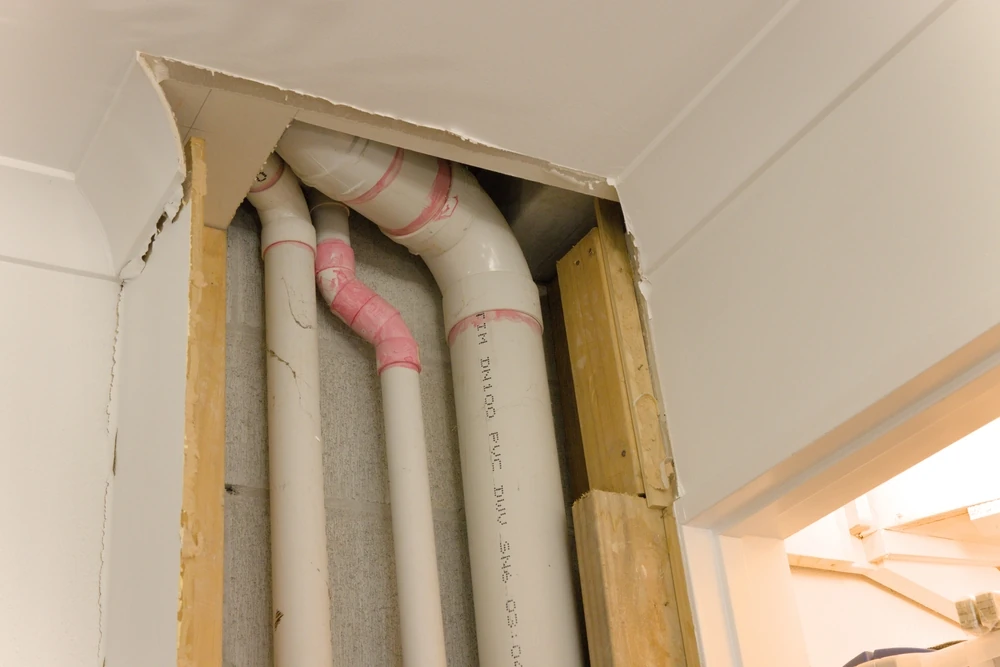
Sewage and wastewater also carry health hazards. Opening or altering soil stacks, gully traps or sewer connections without the right protective equipment and procedures exposes occupants to harmful bacteria and gases. A poorly sealed connection can allow sewer gases to enter the home, creating both a health issue and an odour problem that can be difficult to trace once the area is closed again.
Legal, Code and Insurance Consequences
Plumbing work is regulated for good reason. Many jobs must comply with specific plumbing codes, backflow regulations and, in some cases, permit and inspection requirements. DIY work that does not meet these standards can be ordered to be uncovered and redone at the owner’s expense.
Unauthorised alterations to water or drainage systems can also affect insurance. If a leak, flood or contamination event is traced back to non-compliant DIY work, an insurer may reduce or refuse a claim. This is particularly relevant for:
- Relocating bathrooms or kitchens
- Connecting to mains water or sewer lines
- Installing or modifying hot water systems
Some local rules also require that only licensed plumbers connect to potable water supplies or install backflow prevention devices. Breaching these requirements can lead to fines, enforcement notices and the cost of remedial work.
Hidden System Complexity and Long-Term Damage
Modern plumbing is more complex than it appears at the tap. Water pressure, pipe sizing, venting and gradients must all work together. A DIY change to one section can quietly unbalance the system. For example, moving a fixture without correct venting can cause slow drainage, siphoned traps and sewer odours that appear weeks later.
Using the wrong materials or connectors, such as mixing incompatible metals, can trigger corrosion inside walls where it may remain unnoticed until a leak develops. Overtightening plastic fittings can also cause hairline cracks that do not fail until the area has been tiled, enclosed or placed back into regular use.
What looks like a successful DIY repair in the short term can become the starting point for mould, structural rot or slab movement later. Professional plumbing work is intended not only to solve the immediate issue but also to prevent long-term damage.
Gas, Sewer and High-Risk Plumbing Repairs
Gas, sewer and other high-risk plumbing work should always be carried out by licensed professionals. These systems involve hazards that can quickly escalate into fire, explosion, poisoning, structural damage or serious contamination if handled incorrectly. Even small mistakes, such as using the wrong sealant or overtightening a fitting, can create problems that are not immediately visible.
Most regions treat gas and sanitary plumbing as regulated work for good reason. Licensing requirements help ensure that installations meet code, that approved materials are used and that work is tested and certified properly. Unauthorised DIY work in these areas can also void insurance and create legal liability if something goes wrong.
Gas Line Work and Appliance Connections
Any work involving gas supply is high risk. This includes running new gas lines, relocating pipework, extending an existing gas run or altering flues and vents. Even replacing flexible gas hoses or connecting a new cooktop can lead to leaks if the wrong fittings, thread sealants or tightening methods are used.
Gas leaks are often silent and invisible. A poor connection behind a stove or inside a ceiling cavity can allow a small amount of gas to accumulate, which may then be ignited by a spark from a switch or appliance. Incorrectly sized pipework can also starve appliances of gas, leading to incomplete combustion and the production of carbon monoxide, which is odourless and highly dangerous.
Sewer Line Blockages and Repairs
Sewer systems carry waste that contains harmful bacteria, viruses and gases. Opening or altering these pipes without the right training can expose occupants to sewage spills and contamination and can also disrupt the wider drainage system if boundaries and fall requirements are misunderstood.
High-risk sewer work includes repairing or replacing buried sewer lines, cutting into or rerouting main drains, connecting new bathroom or kitchen stacks and installing or altering inspection openings. Incorrect gradients or poorly supported pipework can lead to repeated blockages, slow drainage or leaks that undermine foundations and slabs.
Licensed plumbers use specialised equipment such as CCTV drain cameras to locate and diagnose problems accurately. They can then repair the issue using appropriate methods, including sectional replacement, relining or root removal, while also maintaining correct venting and preventing sewer gas from entering living spaces.
Other High-Risk Plumbing Tasks
Several other jobs also fall into the high-risk category and should not be attempted as DIY work:
- Any work on fire sprinkler or hydrant systems
- Modifying backflow prevention devices
- Working on pressure-limiting valves or tempering valves on hot water systems
These components help protect against scalding, contamination of drinking water and failure of fire safety systems. Errors may not be obvious during normal use but can have serious consequences in an emergency. Only licensed and appropriately accredited practitioners should carry out or certify this type of work.
Major Leaks, Burst Pipes and Pressurised Systems
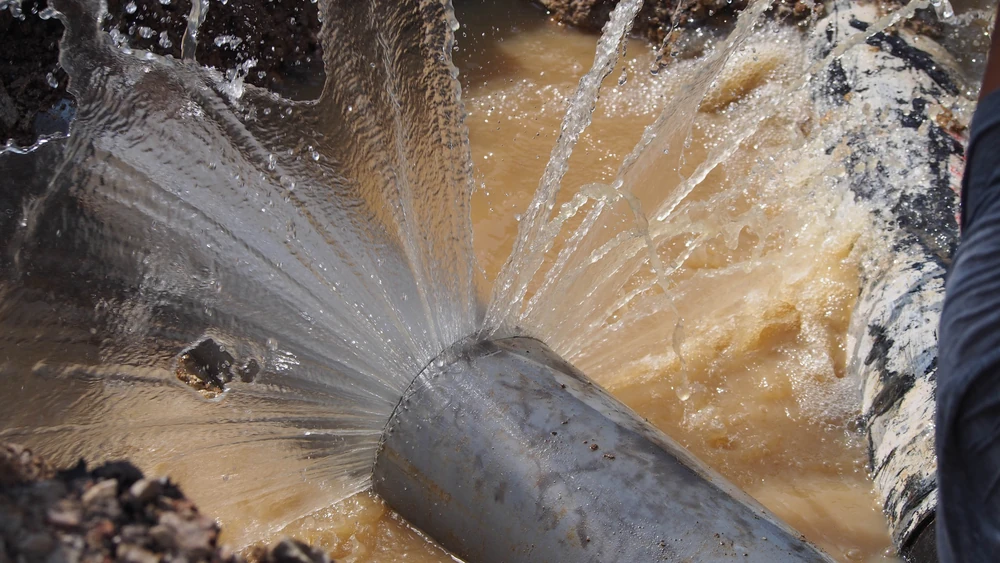
Major leaks and burst pipes are among the most urgent plumbing failures in any property. They can release large volumes of water in minutes, damage structural elements and create electrical hazards. Pressurised water systems add another layer of risk, as incorrect handling of valves, joints or fittings can turn a simple mistake into extensive flooding or personal injury.
When water is escaping under pressure, the issue is rarely limited to the visible drip or spray. The fault is often connected to concealed pipework, failing joints, compromised pressure regulators or ageing materials. These problems require controlled isolation, correct diagnosis and safe repair procedures.
Why DIY Responses to Major Leaks Are Unsafe
Attempting to tighten fittings or reopen valves without understanding the condition of the system can make hidden damage worse. For example, opening a stop tap too quickly after a temporary shut-off can shock already weakened pipes and trigger a full rupture. Using incorrect materials, such as non-rated hoses or connectors, can also lead to sudden blowouts when the system is repressurised.
DIY responses can also compromise water quality. Disturbing corroded pipework without proper flushing and disinfection can introduce debris or contaminants into drinking water lines. This is particularly important in properties with older galvanised or lead components that need careful management when altered or replaced.
Immediate Actions Before the Professional Arrives
Although repairing a burst pipe or major leak is not a suitable DIY task, there are practical steps that can reduce damage before a licensed plumber arrives. The priority is to isolate the water and protect the property, not to attempt a permanent repair.
These steps generally include:
- Shutting off the main water supply at the isolation valve
- Turning off power at the switchboard if water is near outlets, appliances or electrical wiring
- Opening taps at the lowest point of the property to relieve remaining pressure in the system
Buckets and towels can help limit surface damage, but bulging ceilings should not be pierced, as this can release water suddenly and create additional structural risk. Any sign of water tracking near electrical systems requires immediate isolation and professional assessment.
Hot Water Systems and Installation Work
Hot water systems are among the most technically complex and potentially hazardous parts of domestic plumbing. Any work involving installation, replacement or alteration of a hot water system should be left to a licensed plumber or plumbing contractor. Incorrect work can lead to scalding, gas leaks, electrical hazards or even cylinder failure.
Modern systems combine pressurised water, heating elements or burners, and temperature and pressure controls that must comply with strict plumbing standards and local regulations. Unqualified work can result in failed inspections, missing compliance documentation and costly rectification later.
Why Hot Water System Installation Is Not DIY Work
Installing or replacing a storage cylinder, continuous flow heater or heat pump involves far more than connecting a few pipes. The unit must be correctly sized for the property, installed to suit safe operating pressures and fitted in line with the manufacturer’s specifications.
Incorrect pipe sizing or layout can cause fluctuating temperatures, water hammer or reduced system life. Poorly installed isolating valves or non-return valves can allow hot water to circulate where it should not, creating a scalding risk at fixtures. New or relocated systems must also have compliant discharge pipework for temperature and pressure relief valves directed to a safe and visible location.
Gas, Electrical and Pressure Hazards
Gas-fired hot water systems involve regulated gasfitting work. Incorrect connections or failure to test joints properly can result in gas accumulation and the risk of fire or explosion. Flueing is also critical. Flues that are undersized, incorrectly routed or terminated poorly can allow carbon monoxide to enter living spaces, particularly in enclosed or poorly ventilated areas.
Electric storage units and instantaneous systems involve mains voltage connections. Any mistake in earthing, bonding or isolation can expose occupants to electric shock. In many jurisdictions, the electrical connection of hot water units must be completed by a licensed electrician working alongside a licensed plumber.
Legal, Insurance and Compliance Risks
Attempting complex plumbing work without proper qualifications is not only a technical risk. It can also create legal, insurance and compliance problems that are expensive to fix and difficult to dispute. Many jobs attempted in good faith end up breaching regulations, voiding cover or causing issues later when a property is sold.
Understanding how plumbing work is regulated and documented is essential before attempting anything beyond very minor maintenance. In many cases, the safest and most cost-effective decision over the life of a property is to use a licensed professional from the beginning.
Licensing Laws and Permit Requirements
Plumbing is a licensed trade in most jurisdictions. This means certain types of work may only be carried out by a licensed plumber and may also require permits or inspections from the local authority or water provider.
Common examples include new bathroom or kitchen installations, relocation of fixtures, work on the main water supply or sewer line, installation of hot water systems and any gas connection. Carrying out this work without the appropriate licence or permit can result in fines, stop-work orders and a requirement to remove and redo the job properly.
Unlicensed work can also create problems years later. When a property is sold, building and plumbing records are often reviewed. Evidence of unapproved plumbing, such as undocumented pipe runs or fixtures connected outside approved plans, can delay settlement, reduce the sale price or force urgent rectification.
Insurance Cover and Claim Denials
Insurers generally expect building and plumbing work to be carried out by appropriately licensed tradespeople and in line with relevant codes. If a claim arises from plumbing work that should have been done by a licensed professional, the insurer may reduce the payout or reject the claim.
For example, if a self-installed vanity or toilet leaks behind a wall and causes structural damage or mould, the assessor may examine who performed the work and whether it complied with the required standards. If it did not, the resulting costs may need to be paid privately.
Code Compliance and Future Liability
Plumbing work must comply with plumbing codes, water authority rules and, in many areas, backflow and cross-connection requirements. These rules exist to protect public health by keeping drinking water separate from wastewater and by reducing contamination risks.
Non-compliant DIY changes, such as incorrect pipe materials, inadequate venting or missing backflow protection, can:
- Create health risks inside the property
- Breach water authority connection requirements
- Lead to enforcement action and compulsory rectification
If faulty plumbing injures someone or damages a neighbouring property, the person who carried out the work may also be held personally liable.
Knowing When to Call a Licensed Plumber
Recognising when a task has moved beyond safe DIY maintenance is one of the most important parts of managing plumbing issues properly. Some work appears simple on the surface but is tightly controlled by building codes, insurance requirements and safety standards. Misjudging that line can turn a minor issue into structural damage, contamination or a much larger repair.
A licensed plumber is not only there to complete the work but also to assess risk, identify hidden issues and ensure the system remains compliant. When a job involves concealed pipework, main water or sewer lines, gas services or hot water systems, professional input is usually the safer option.
When Safety or Health Could Be Compromised
Any work that creates a risk of scalding, flooding, fire or contamination of drinking water should be handled by a licensed plumber. This typically includes:
- Modifying or replacing hot water systems, including altering controlled temperature settings beyond normal user adjustments
- Working on gas lines or gas water heaters
- Altering pipework connected directly to the mains water supply
Backflow prevention is another critical area. If a plumbing change could allow dirty water to siphon back into clean lines, such as when connecting irrigation, appliances or rainwater systems, professional design and installation are essential to protect water quality.
When Structure or Main Services Are Involved
Work that affects the structure of a building or the main plumbing network is not suitable DIY work. This includes cutting into walls, floors or slabs to reach pipes, relocating fixtures such as toilets, showers or sinks, or adding new bathrooms or kitchens.
Certain warning signs also point to possible main line problems and the need for professional assessment. These include:
- Multiple fixtures draining slowly at the same time
- Water backing up in one fixture when another is used
- Persistent wet patches or unexplained increases in water bills
These symptoms often suggest issues in buried pipework, such as collapsed drains, root intrusion or leaking mains. Diagnosing and repairing those faults requires specialised equipment and, in some cases, coordination with local utilities or authorities.
Some plumbing work should never be approached as DIY, no matter how manageable it appears at first. Jobs involving gas, sewer systems, pressurised water lines, hot water units, backflow protection or concealed pipework carry risks that go beyond the immediate repair. In many cases, the real issue is not only whether the work can be completed, but whether it can be done safely, legally and in a way that avoids hidden damage later.
Knowing when to call a licensed plumber helps protect the property, the health of its occupants and the long-term reliability of the plumbing system. Where a task involves regulated work, structural access, contamination risk or the possibility of broader system failure, professional assessment is the more practical and responsible choice.

.webp)