

No Hot Water? What to Check Before Calling a Plumber
When hot water suddenly stops working, everyday routines can quickly become inconvenient. Showers are interrupted, dishes pile up and simple household tasks become more difficult. Before arranging an urgent callout, it can be useful to check a few basic factors that may affect the hot water supply. Plumbing Inspectors helps homeowners identify common hot water problems and understand when professional assistance, including emergency plumbers in Brisbane, may be required.
From checking the hot water unit and household taps to confirming the power, gas and water supply, a few simple observations can provide useful clues about what has gone wrong. Recognising the difference between a temporary interruption, a minor issue and a genuine system fault can help avoid unnecessary delays while ensuring serious problems are addressed safely.
Check for Leaks, Gas Smells or Other Immediate Hazards
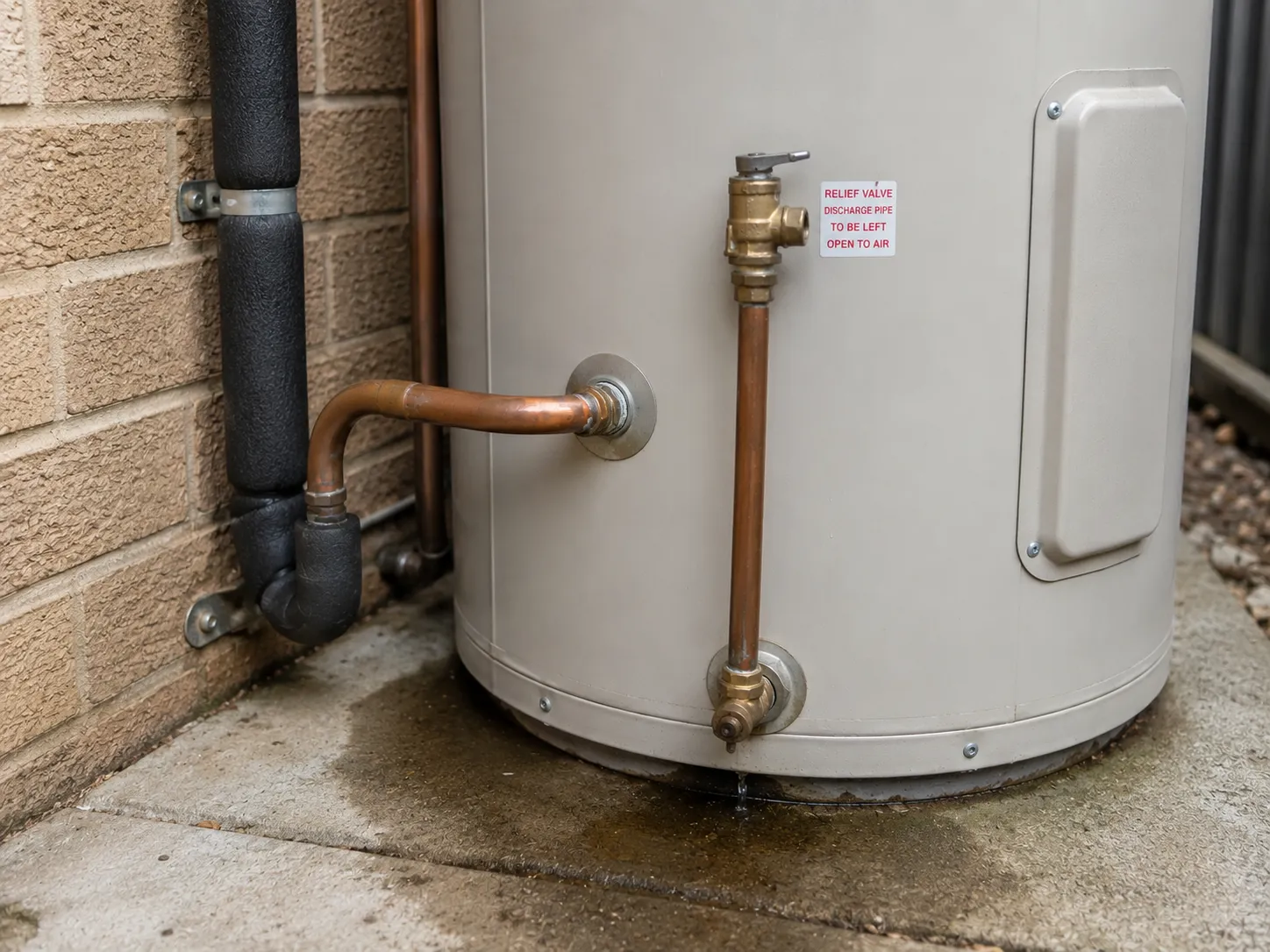
Before troubleshooting the hot water system, check the surrounding area for signs of an immediate safety issue. Look for water pooling around the unit, damp patches, damaged pipework, corrosion or unusual noises. These signs may indicate a leak or failing component that requires professional attention.
For gas systems, any smell resembling rotten eggs or sulphur should be treated as a potential gas leak. Do not operate electrical switches, use naked flames or attempt to relight the heater. Move away from the area and contact the appropriate gas emergency service or a licensed gasfitter from a safe location.
Electrical warning signs also require caution. Burning smells, scorch marks, melted insulation, buzzing, crackling or water near electrical components can indicate a serious hazard. Do not touch the unit or its electrical controls. If there is smoke, fire or an immediate electrical risk, leave the area and contact emergency services.
If there is active flooding, a gas smell or another immediate hazard, stop troubleshooting and arrange professional assistance rather than attempting to identify or repair the fault yourself.
Confirm Whether Every Hot Water Tap Is Affected
When hot water stops working, check whether the problem affects every hot water outlet or only one tap. This simple test can help determine whether the fault is likely to involve the water heater, hot water pipework or an individual fixture.
Turn on the hot side of several taps and let each run briefly. Check the kitchen sink, bathroom basin, shower, bath and laundry sink, if available. Note whether each outlet produces hot, lukewarm or cold water and whether the water pressure appears normal.
Pay attention to the following:
- Only one tap is affected: The problem may be limited to the tap, mixer, aerator or local pipework.
- Nearby taps work, but distant ones do not: This may indicate a problem with hot water flow, an isolation valve or a section of pipework.
- Every hot tap is cold: The issue is more likely to involve the hot water system, its power or gas supply, or the main water supply.
- Hot water is cold, but pressure is normal: The fault may relate to heating, such as an element, thermostat, burner or another system component.
Recording which outlets are affected and whether the water is cold, lukewarm or low in pressure can give a plumber useful information when diagnosing the problem.
What Type of Hot Water System Do You Have?
Before checking the power, gas or water supply, identify which type of hot water system is installed. Electric, gas, instantaneous, solar and heat pump systems operate differently, so knowing the system type helps determine which checks are relevant and what behaviour is normal.
Electric Storage Systems
Electric storage systems heat and store water in a tank using an electric element. Some operate on off-peak or controlled-load electricity, meaning they may only heat during scheduled periods.
After heavy use, the tank may simply need several hours to recover, particularly when operating on an off-peak tariff.
Gas Systems
Gas systems may store heated water in a tank or heat water as it flows through the unit. Depending on the model, they may also require electricity for ignition and controls.
If the system stops producing hot water, the cause may involve the gas supply, ignition or burner. Any smell of gas, however, requires immediate attention rather than further troubleshooting.
Instantaneous Systems
Instantaneous or continuous-flow systems heat water as it passes through the unit rather than storing it in a tank. They can provide continuous hot water but have a maximum flow and heating capacity.
Using multiple hot taps or showers at once can exceed this capacity and result in lukewarm water. Testing one outlet at a time can help determine whether demand is contributing to the problem.
Solar and Heat Pump Systems
Solar and heat pump systems use additional technology to heat and store hot water. Their performance can depend on factors such as available solar energy, backup heating and programmed settings.
If the system is unfamiliar or its controls are unclear, avoid changing internal settings or accessing components. Identifying the system and noting any visible warning lights or displays is usually sufficient for a licensed plumber to investigate further.
Knowing the system type makes the following checks more useful and helps prevent homeowners from applying troubleshooting steps that are unsuitable for their installation.
Check the Power, Gas and Water Supply
A loss of hot water does not always mean the heater has failed. The system may have lost its power, gas or water supply. Checking these basic connections can identify a simple problem or provide useful information for a plumber.
Check the Electrical Supply
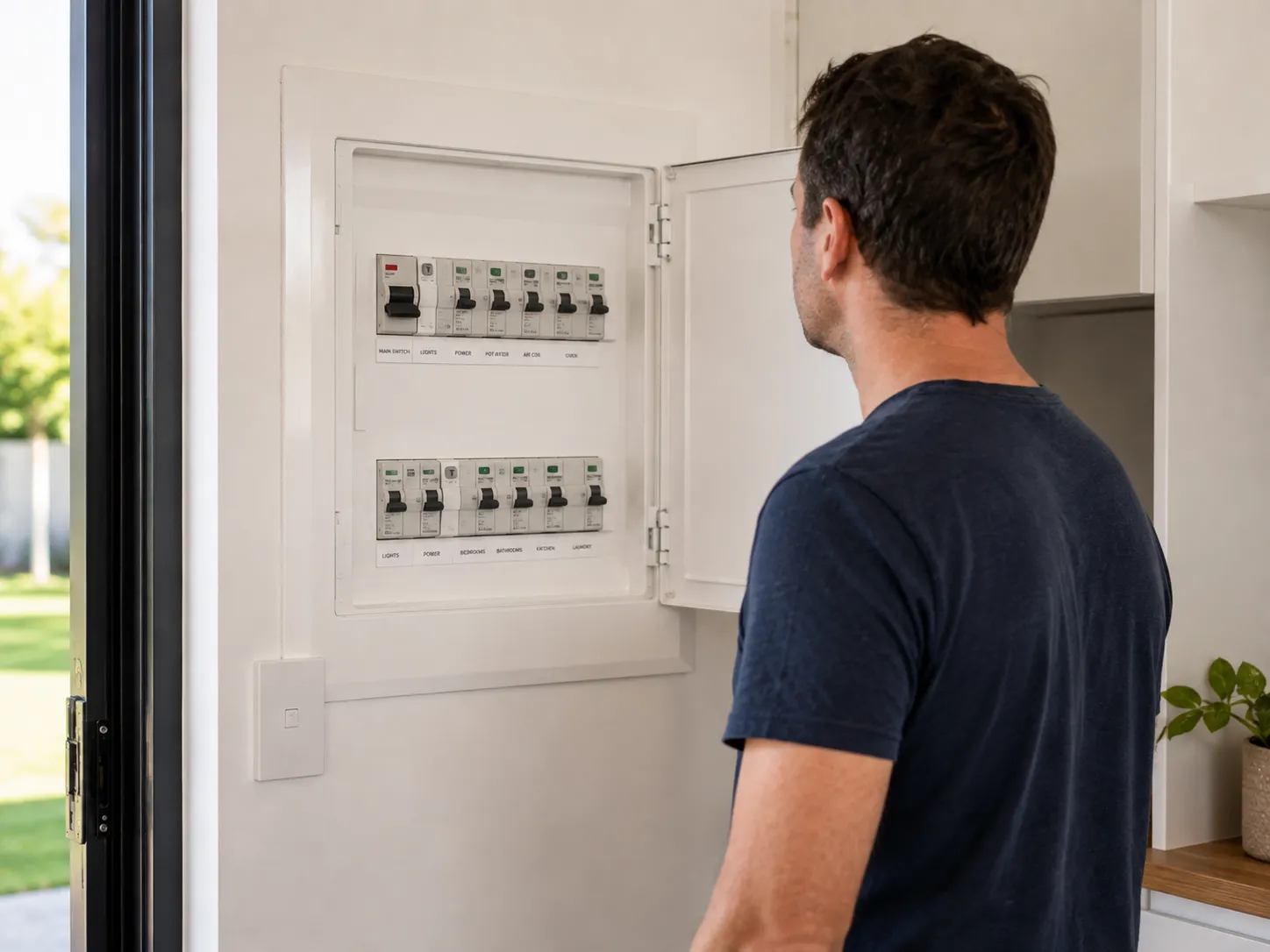
For electric hot water systems, check the switchboard for a circuit breaker labelled “Hot Water” or “HWS” and make sure it is switched on. If it has tripped, it may be reset once if it is safe to do so. If it trips again, leave it off and arrange professional assistance.
Also check any clearly labelled isolation switch near the water heater and look for visible power or status lights. With off-peak or controlled-load systems, remember that the heater may only operate during scheduled periods, so the tank may need additional time to reheat.
Check the Gas Supply
For gas systems, check whether other gas appliances are operating and look for visible operating or ignition indicators on the heater. Do not attempt to relight or adjust the system if there is a gas smell or another safety concern.
If the heater repeatedly fails to ignite or shows a fault indicator, professional attention may be required.
Check the Water Supply
Make sure cold water is available throughout the property. If other taps also have low or no water pressure, the problem may involve the main water supply rather than the hot water system.
Where it is safe to do so, check that the visible cold-water isolation valve supplying the heater appears to be open. Do not dismantle valves or pipework or attempt to adjust unfamiliar components.
If hot water initially flows but quickly turns cold, a supply or flow problem may be preventing the system from operating correctly and should be assessed by a licensed plumber.
Inspect the Hot Water Unit
After checking for immediate safety hazards, inspect the hot water unit and surrounding area for visible signs of a fault. Look at the unit, pipework, valves and connections without removing covers or attempting repairs. Regular hot water system checks can also help identify leaks, corrosion and other warning signs before they develop into larger problems.
Check for Leaks
Look for puddles, damp patches or dripping water around the unit near pipe connections, valves and the base of a storage tank. Persistent moisture may indicate a leaking fitting, valve or tank and should be assessed by a licensed plumber. Other water leaks around the property may be less obvious and can show up as damp patches, staining or unexplained moisture.
Inspect Pipes and Valves
Check visible pipes, valves and connections for corrosion, mineral buildup, damage or anything that appears out of position. A partially closed isolation valve can restrict water flow, while corrosion or deposits may indicate deterioration or a developing leak.
Listen for Unusual Noises
Listen for unusual dripping, hissing, banging, popping or rumbling when the heater operates or a hot tap is opened. A sudden change in noise alongside poor hot water performance or leaking, may indicate a fault requiring professional assessment.
Keep the area around the heater clear so visible problems and accessible controls can be identified easily. If you notice leaking, damage, overheating, electrical issues or signs of a gas problem, stop troubleshooting and arrange professional assistance.
Check Whether the Hot Water Problem Is Temporary
A sudden loss of hot water does not necessarily mean the heater has failed. Heavy use can temporarily deplete a storage tank after several consecutive showers, a bath, laundry or dishwashing. In these situations, the system may simply need time to recover.
Before assuming there is a fault, consider:
- Recent usage: Several people using hot water in a short period can quickly deplete a storage tank.
- Recovery time: Electric storage systems can take several hours to reheat, while gas systems generally recover faster. Continuous-flow systems can also struggle when demand exceeds their capacity.
- Normal behaviour: If hot water returns after the usual recovery period and the system performs normally, the interruption may have been temporary.
- Changes in performance: If the system now runs cold after normal use, takes much longer to recover or repeatedly produces lukewarm water, an underlying fault may be developing.
If hot water does not return within the system's usual recovery period or the problem keeps occurring under normal household use, professional assessment may be required. Noting when the problem started, how much hot water had been used and any unusual symptoms can help identify the cause.
Check for Error Codes and Visible Warning Signs
Modern hot water systems often provide useful clues when something is wrong. Check the heater for error codes, indicator lights and other visible signs that may help identify the problem without opening the unit or attempting a repair.
If the heater displays an error code or flashing light, record exactly what you see and refer to the manufacturer's instructions. Useful details are:
- The exact error code or number
- Whether an indicator light is steady or flashing
- Any unusual changes when the heater attempts to operate
- Whether the display is completely blank
Some systems may indicate issues such as ignition failure, overheating, sensor faults or loss of power. Only follow reset instructions provided by the manufacturer and avoid repeatedly resetting a unit that continues to show a fault.
Also check the area around the heater for visible warning signs, including:
- Water leaks, damp patches or mineral deposits
- Rust or significant corrosion
- Scorching, charring or unusual discolouration
- Bulging or visibly deformed sections of a storage tank
- A relief valve that is continuously dripping
These signs can indicate electrical, plumbing, gas or pressure-related problems that require professional assessment. If you notice gas smells, burning, charring, leaking or another potentially dangerous condition, stop troubleshooting and contact a licensed professional.
When to Call a Plumber or Request Emergency Assistance
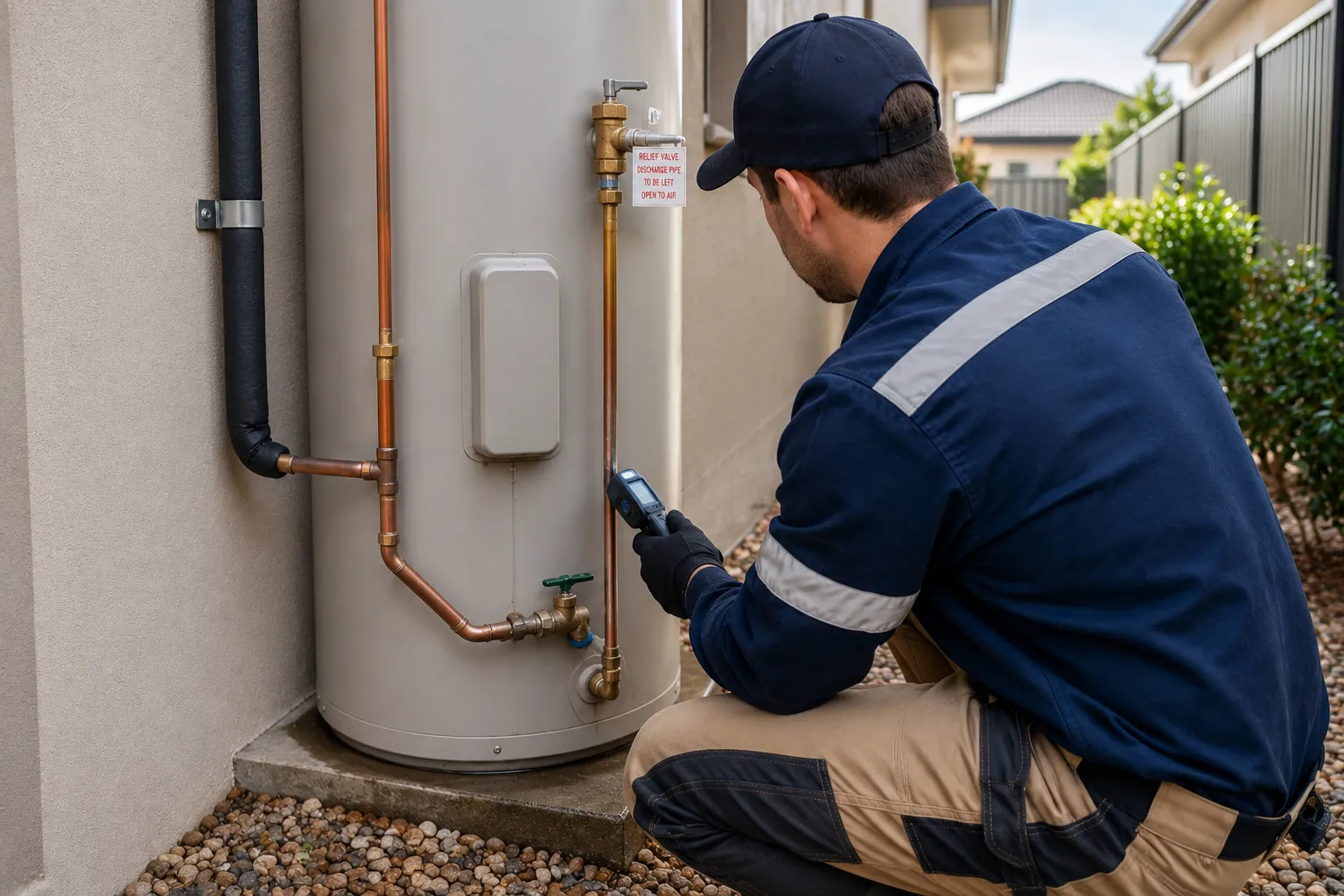
Some hot water problems can be safely checked at home, while others require professional attention. Recognising the warning signs helps prevent property damage, scalding, gas leaks and electrical hazards.
Call for Emergency Help
Seek emergency assistance immediately if you notice:
- A gas smell or hissing around the heater or gas pipework
- Flames, scorching or signs of burning
- Water spraying or gushing from the heater, valves or pipework
- Extreme overheating, boiling or loud rumbling from the tank
- Burning smells, melting plastic, scorch marks or persistent electrical faults
Do not relight or reset a heater showing these signs. If safe to do so, isolate the relevant gas or electrical supply and water supply and seek appropriate emergency assistance.
Call a Plumber Promptly
Arrange professional attention if:
- Hot water repeatedly runs out much faster than usual
- The cylinder is leaking from the tank or base
- A relief valve continues to drip
- Hot water is discoloured, gritty or has an unusual odour
- The heater makes persistent popping, crackling or hammering noises
- A pilot light will not stay lit, or the system repeatedly trips its circuit
These symptoms may indicate problems with internal components, valves, corrosion, scaling or the heating system.
Stop DIY Troubleshooting
Professional advice is recommended if you are unsure how the system works, how to isolate it safely or which components can be accessed. This is important for:
- Older or poorly labelled systems
- Altered or unfamiliar pipework
- Heaters in confined or difficult-to-access areas
- Gas, flue or electrical components
Attempting repairs in these situations can create safety risks and may affect compliance or warranties. A licensed professional can identify the fault and recommend the appropriate repair or replacement.
When hot water stops working, a methodical approach can help determine whether the problem is temporary or requires professional attention. Checking the affected outlets, identifying the system type, confirming the power, gas and water supply and looking for visible warning signs can provide useful clues without encouraging unsafe DIY repairs.
Plumbing Inspectors can assess the system when basic checks do not resolve the problem and identify the cause of persistent hot water issues. Knowing when to stop troubleshooting and call a qualified professional can help prevent further damage and restore a safe and reliable hot water supply.

.webp)