

Blocked Toilet? What to Do Before Calling a Plumber
A blocked toilet can quickly turn a minor household inconvenience into a messy and stressful problem. Rising water, unpleasant smells and the risk of an overflow make it important to act carefully rather than repeatedly flushing or reaching for harsh drain products. Plumbing Inspectors helps property owners recognise the early warning signs, take sensible first steps and understand when a blockage requires professional attention.
For households dealing with blocked drains in Brisbane, knowing how to respond before a plumber arrives can help minimise water damage and prevent a simple obstruction from becoming a larger drainage issue. From stopping an overflow and checking other fixtures to using a toilet plunger correctly and recognising signs of a deeper blockage, a few practical checks can make the situation easier to manage. Just as important is knowing when DIY methods have reached their limits.
Stop Flushing and Prevent an Overflow
The first priority with a blocked toilet is to stop flushing and prevent more water from entering the bowl. Continuing to flush can quickly turn a partial blockage into an overflow, spreading contaminated water across the bathroom and potentially damaging flooring and fixtures.
Stop the Water Supply
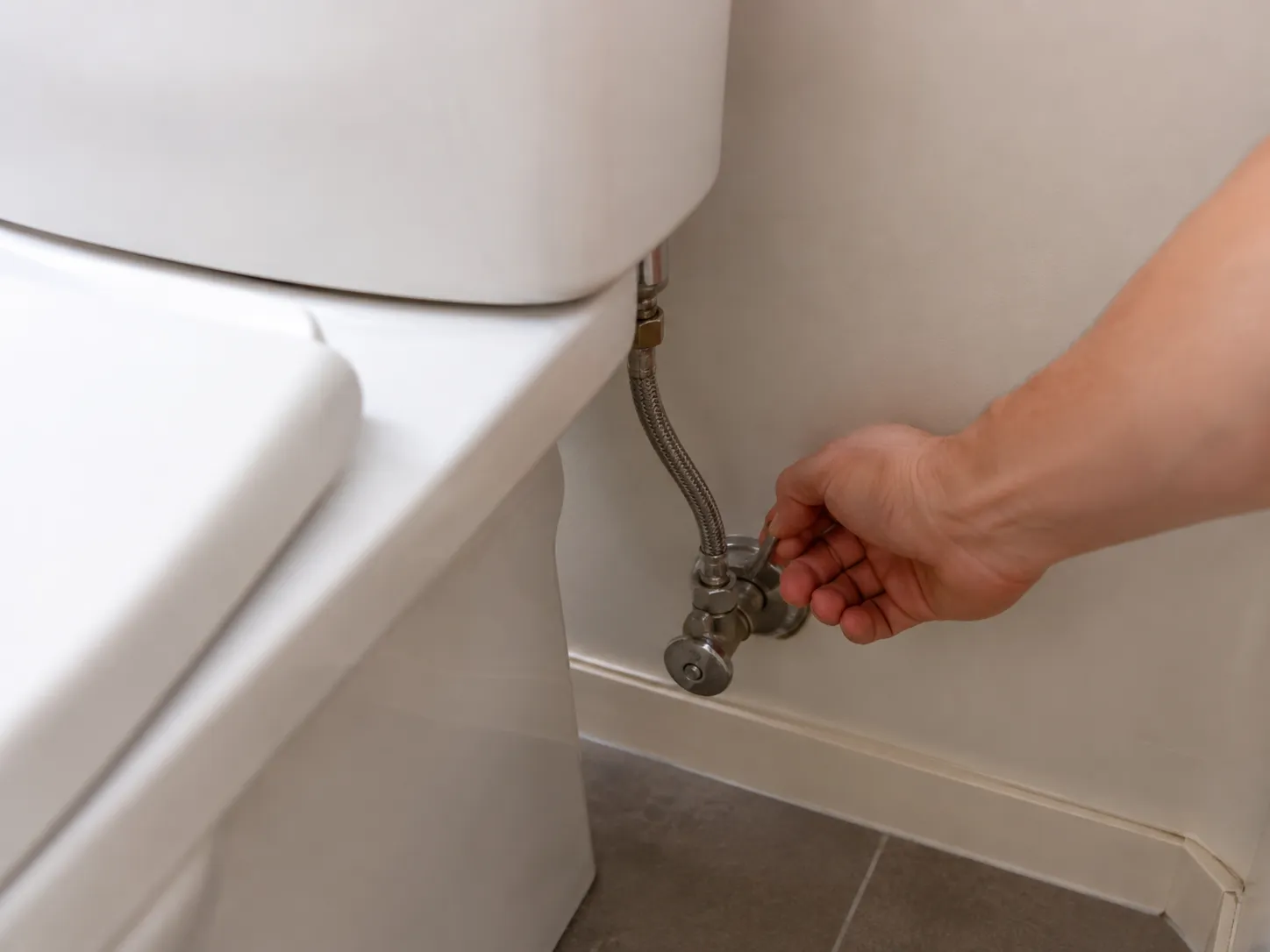
If the water level rises after flushing, do not flush again. Remove the cistern lid and, if necessary, push the flush valve or flapper closed to stop more water entering the bowl. Lifting the float can also prevent the cistern from refilling.
If this is not practical, turn off the toilet's isolation valve, usually located on the wall or floor behind or besides the toilet. Turn it clockwise until the water stops. If there is no accessible isolation valve, use the property's main stop tap.
Protect the Area
Once the water has stopped rising, place towels around the toilet base to catch drips and clean up any overflow promptly. This helps prevent contaminated water from spreading beneath flooring or into adjoining areas.
Keep children and pets away from the area, particularly if wastewater has spilt. Avoid using the toilet again until the blockage has been cleared and normal drainage has been confirmed.
Do Not Add More Water
Adding buckets of water to a blocked toilet can cause an overflow when the bowl is already holding a high level of water. Wait until the level has dropped and there is evidence that the blockage is beginning to clear before introducing any additional water.
Even when the blockage appears to have improved, avoid immediately carrying out a full flush. A controlled test is safer while the drainage system is still being assessed.
Check Whether Other Toilets and Drains Are Affected
Before treating a blocked toilet as an isolated problem, check whether other fixtures are behaving normally. If only one toilet is affected, the obstruction is more likely to be local. Problems involving several fixtures are among the warning signs that can indicate a restriction further along the drainage system.
Look for:
- Another toilet draining slowly, rising unusually high or gurgling when flushed
- Basins, showers or baths draining slowly or backing up when the toilet is used
- Water appearing in a shower base or floor drain when another fixture discharges
- Gurgling or bubbling from several drains
- Persistent sewage smells from more than one fixture
Pay attention to lower-level fixtures, as wastewater can back up there when a main drain is restricted.
If several fixtures are affected at once, avoid repeatedly flushing the toilet or running large amounts of water through other drains. The problem may extend beyond the toilet and require professional diagnosis.
Check the Toilet for Signs of a Deeper Blockage
If the toilet remains blocked after the initial checks, the obstruction may be further inside the trap or waste pipe. The way the water drains and the sounds coming from the toilet can provide useful clues.
Beware of these warning signs:
- Slow drainage: Water gradually falls but takes much longer than normal to clear, suggesting a partial restriction.
- Water remaining high: The bowl stays unusually full with little movement, indicating a more significant blockage. Do not flush again to test it.
- Gurgling or bubbling: Unusual sounds can indicate restricted water or air movement through the waste pipe.
- Unexpected water-level changes: The bowl rises or falls when another fixture is used, suggesting the obstruction may be affecting shared pipework.
- Recurring blockages: A toilet that repeatedly blocks after appearing to clear may have an obstruction that has not been fully removed or another underlying drainage fault.
If several of these symptoms occur together, repeated plunging may only provide temporary relief. A deeper obstruction may require a toilet auger, drain snake or CCTV inspection to locate and address the cause.
Remove a Visible Obstruction If It Is Safe
Some toilet blockages are caused by an object that is clearly visible in the bowl or near the trap. If it is easy to reach and can be removed without force, taking it out may restore normal drainage.
Do not attempt removal if the object is sharp, breakable, firmly lodged or beyond reach.
Identify the Obstruction
Use a light to inspect the bowl without flushing again. Common obstructions include excess toilet paper, wipes, sanitary products, toys and small bathroom items.
If the object cannot be identified or reached safely, leave it in place. If the water level is high, allow it to fall before attempting any removal.
Protect Yourself
Wear waterproof rubber gloves and place towels around the toilet to protect the surrounding floor. Keep a lined rubbish bag or bucket nearby for the removed item.
Avoid bare-hand contact with wastewater and wash your hands thoroughly afterwards. Keep children and pets away until the area has been cleaned.
Remove It Without Forcing
If the object is clearly visible and within easy reach, gently pull it out without twisting or forcing it. Do not use coat hangers, sticks or other improvised tools, as these can scratch the porcelain or push the obstruction further into the pipe.
If the object does not move easily, stop. Once it has been removed, check whether the water drains normally before attempting a controlled flush. If the toilet remains slow or blocks again, another obstruction may be present further along the pipe.
Try Using a Toilet Plunger Correctly
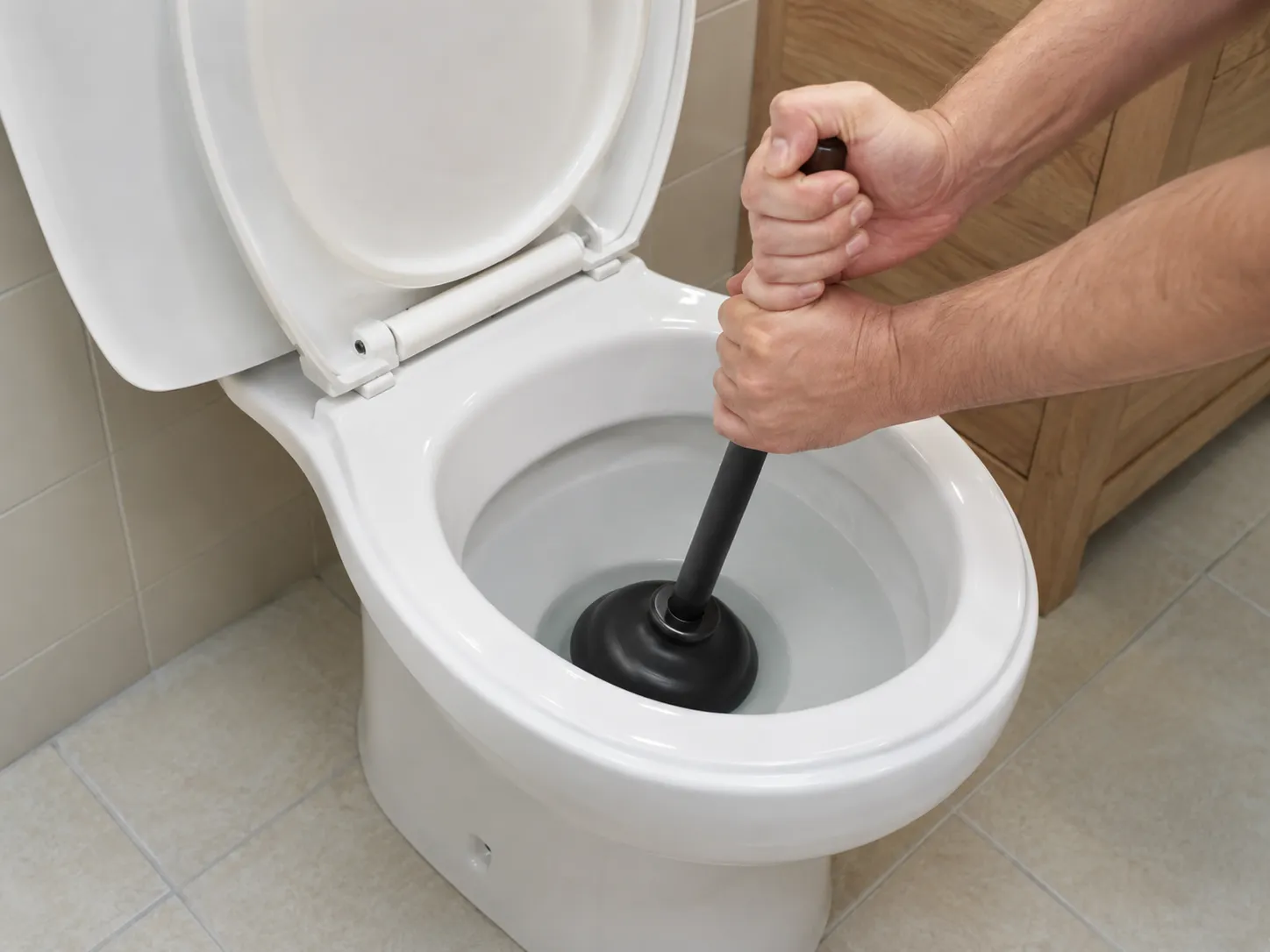
A toilet plunger can clear many minor blockages when used correctly. The right plunger, a good seal and controlled pressure are more effective than aggressive plunging and reduce the risk of unnecessary splashing or damage.
Choose the Right Plunger
Use a flange plunger designed for toilets rather than a flat cup plunger intended for sinks. If the bowl is close to overflowing, remove enough water to create some working space while leaving enough to cover the plunger's rubber cup.
Position the flange over the toilet outlet and press down gently to create a firm seal.
Plunge With Controlled Pressure
Push the plunger down slowly, then pull it upward firmly while keeping the seal intact. Repeat this motion for around 15 to 20 strokes, then pause to see whether the water level drops.
If there is no improvement, repeat the process a few times. Avoid aggressive plunging that could cause water to splash out of the bowl.
Know When to Stop
If the water drains normally after plunging, perform one controlled flush to confirm that the blockage has cleared. Stop if the water remains high, drains slowly or backs up into another fixture.
Do not use chemical drain cleaners before or during plunging. If careful plunging does not improve the blockage, the obstruction may require more suitable equipment or professional attention.
Use Warm Water and Dishwashing Liquid Carefully
Warm water and a small amount of dishwashing liquid may help loosen a minor blockage caused by excess toilet paper or soft waste. The detergent provides lubrication while the warm water may help soften the material.
This method is only suitable when there is enough space in the bowl to safely add a small amount of water. It is unlikely to help with solid objects or deeper drainage problems.
Follow These Steps
1. Let the water level drop.
Wait for the water to fall as much as possible. If it remains close to the rim, do not add anything.
2. Add a small amount of dishwashing liquid.
Pour a modest amount of ordinary liquid dishwashing detergent into the bowl and leave it for several minutes. Do not mix it with bleach, drain cleaner or other chemicals.
3. Add warm water slowly.
Pour warm, not boiling, water into the bowl from a low height. Do not add a large volume at once.
4. Wait and observe.
Give the mixture several minutes to work. If the water level begins to fall, the blockage may have loosened. If the level rises or remains unchanged, stop adding water.
5. Move to a plunger if needed.
If there is no improvement after one careful attempt, use a toilet plunger rather than repeatedly adding water or detergent.
This method is unlikely to clear toys, plastic items, sanitary products or obstructions lodged deeper in the pipe. If the blockage keeps returning or affects other fixtures, the cause may lie further along the drainage system.
Avoid Chemical Drain Cleaners and Improvised Tools
Chemical drain cleaners and makeshift tools can create more problems than they solve. Many drain cleaners are intended for sinks and other fixtures rather than toilets, while improvised tools can damage the toilet or push an obstruction deeper into the pipe.
If water is not draining, chemical products can remain trapped in the bowl or toilet trap, creating a burn and splash hazard for anyone who later attempts to clear the blockage. Never mix drain cleaners with bleach, vinegar or other cleaning products.
Improvised tools such as coat hangers, sticks and mop handles can:
- Scratch or chip the porcelain
- Damage the toilet trap or pan connector
- Become lodged and create another obstruction
- Push the original blockage further into the drainage system
A toilet plunger with a flange is a safer first option for a minor blockage. If careful plunging does not restore normal drainage, stop rather than escalating to harsher or improvised methods.
Know When a Blocked Toilet Could Indicate a Larger Drainage Problem
A blocked toilet is not always caused by an obstruction inside the bowl or trap. Sometimes it is a symptom of a restriction further along the drainage system. Recognising the warning signs can prevent repeated DIY attempts from masking a larger problem.
Multiple Fixtures Are Affected
A blocked toilet combined with slow or backed-up sinks, showers, baths or floor drains can indicate a restriction in shared pipework.
Pay attention if wastewater backs up into a shower or floor drain when the toilet is flushed. This can suggest that the blockage is further downstream.
When several fixtures are affected, avoid repeated flushing or running large amounts of water through the property, as this can increase the risk of wastewater backing up indoors.
The Toilet Keeps Blocking
Recurring blockages after the toilet appears to clear can indicate a deeper problem within the drainage system. Accumulated debris, tree root intrusion, damaged pipes or other drainage faults can interfere with normal wastewater flow.
Rather than repeatedly treating the symptoms with a plunger, recurring blockages should be assessed to determine the underlying cause.
Gurgling, Odours or Backflow Occur
Gurgling or bubbling from the toilet or nearby fixtures can indicate restricted water or air movement through the drainage system. Persistent sewage smells may also point to trapped wastewater or a drainage fault.
Wastewater appearing in another fixture when the toilet is flushed is an even stronger warning that the restriction may affect shared drainage pipework.
The Problem May Be Further Down the Drain
The source of a blockage is not always where the symptoms first appear. Wastewater from toilets, sinks and showers travels through connected pipework before reaching the property's main drain or sewer connection.
If multiple fixtures are affected or the blockage repeatedly returns, a plumber may need to use equipment such as a drain snake, high-pressure water jetter or CCTV drain camera to identify and clear the obstruction.
Know When to Stop DIY Attempts
Once a blocked toilet is accompanied by multiple affected fixtures, sewage backflow, persistent odours or recurring blockages, further DIY attempts are unlikely to address the underlying problem.
Continued flushing, aggressive plunging or adding household products can increase the risk of an overflow or damage. At this point, stopping use of the affected fixtures and arranging professional assessment is the safer approach.
When to Call a Plumber for a Blocked Toilet
Many minor toilet blockages can be managed with careful DIY methods, but some require professional attention. A plumber should be contacted when:
- The blockage does not clear: Water remains high or drains very slowly despite careful plunging.
- The blockage keeps returning: The toilet repeatedly blocks after appearing to clear.
- Other fixtures are affected: Sinks, showers, baths or floor drains are also slow, blocked or backing up.
- Wastewater backs up: Sewage or dirty water appears in another fixture or spills onto the floor.
- There are unusual sounds or smells: Persistent gurgling, bubbling or strong sewage odours suggest a possible drainage restriction.
- There is a risk of overflow or property damage: Water rises towards the rim, spills onto the floor or continues to accumulate.
In these situations, further flushing, aggressive plunging or improvised clearing methods are unlikely to solve the underlying problem. A licensed plumber can determine whether the obstruction is within the toilet, further along the waste pipe or part of a larger drainage fault and use appropriate equipment to clear it safely.
A blocked toilet can often be managed with a few careful first steps, but knowing when to stop is just as important. Preventing an overflow, avoiding unnecessary flushing and using suitable tools correctly can resolve minor blockages while reducing the risk of damage.
For recurring blockages, sewage backflow, multiple affected fixtures or persistent drainage symptoms, Plumbing Inspectors can identify whether the problem extends beyond the toilet. Addressing the cause early can minimise disruption, prevent further damage and help keep the property's drainage system operating reliably.

.webp)