

Signs a Blocked Drain Needs Urgent Attention
When a drain begins to show signs of failure, delaying action can allow a minor restriction to develop into a serious plumbing issue. Early indicators are often the only opportunity to prevent escalation into flooding, contamination or structural damage that requires urgent intervention by emergency plumbers in Brisbane. Plumbing Inspectors outlines the warning signs that signal a blocked drain requires immediate attention.
It also examines why a timely response is critical for protecting property condition, maintaining hygiene standards and controlling repair costs. Left unresolved, severe blockages can compromise pipe integrity, damage internal finishes and create hazardous conditions within the building. Clear guidance is provided on which symptoms may allow short-term monitoring and which indicate the need for immediate professional inspection and rectification to minimise risk and prevent avoidable damage.
Why Some Blocked Drains Need Urgent Attention
Not every slow drain is an emergency, but some blockages can escalate from a minor nuisance to serious damage in a short space of time. Certain warning signs indicate that a drain problem is affecting the broader plumbing system, creating immediate risks to property, health and safety.
Recognising when a blockage has moved into the “urgent” category allows faster intervention, limits structural damage and avoids far more expensive remediation work later. The focus should be on patterns, severity and what type of waste is involved rather than just inconvenience.
Risk of Property Damage and Structural Issues
A blocked drain that is backing up or overflowing can quickly damage flooring, walls, cabinetry and in some cases, the building structure. Water and wastewater rarely stay contained to the visible area around a fixture for long.
Persistent or sudden overflow from the toilet, floor wastes or outdoor drains can indicate a main sewer line issue. When this happens, wastewater may be pooling under the house, inside wall cavities or saturating soil near foundations. Prolonged moisture can weaken structural timbers, swell particleboard flooring and damage concrete slabs.
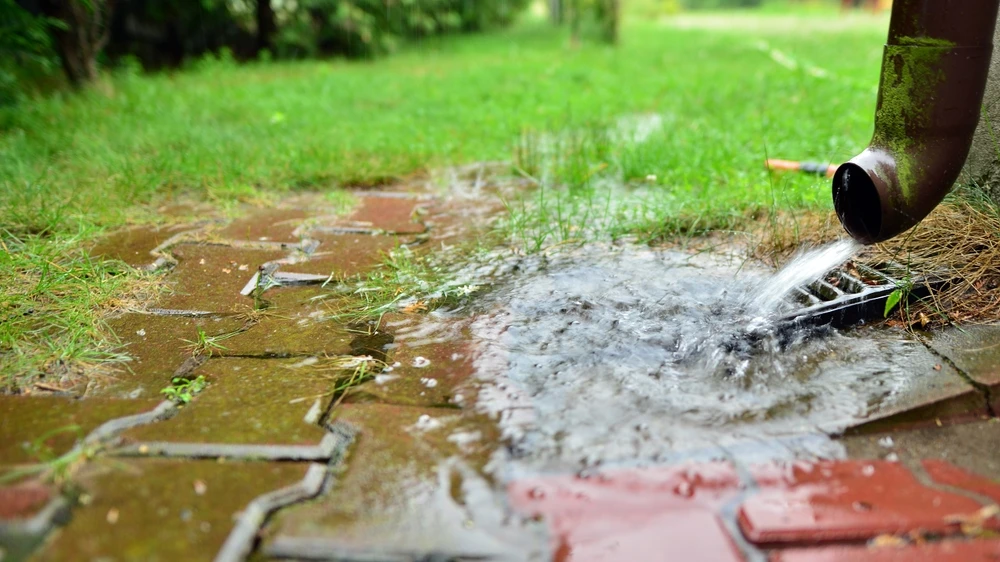
Blocked stormwater drains can be just as serious. If downpipes or yard drains are blocked during heavy rain, water has nowhere to go and can backflow into garages, subfloors or lower rooms. Repeated flooding around footings can undermine foundations or cause movement and cracking in walls.
Health Hazards from Sewage and Contaminated Water
When wastewater cannot flow away correctly, it becomes a hygiene and health issue rather than just a plumbing inconvenience. Blocked sewer drains that cause toilets to bubble, gurgle or back up are particularly concerning.
Raw sewage or greywater backing up through floor wastes, showers or basins exposes occupants to harmful bacteria and pathogens. Even small overflows can contaminate porous materials such as carpets and plasterboard, requiring thorough cleaning or removal. Lingering foul odours inside the property usually indicate that sewer gases or contaminated moisture are present, not just a minor smell issue.
Any blockage involving toilets, floor drains, laundry drains or other fixtures connected to the sewer line should be treated as urgent if there is:
- Visible sewage or dirty water coming up where it should be draining away
- Strong, persistent sewer odours inside or close to the building
Delaying action in these cases increases both health risk and the scope of clean-up work required.
Warning Signs of a System-wide or Worsening Problem
Some symptoms indicate that a blockage is not confined to a single fixture but is affecting the wider drainage network. These patterns often point to a more serious underlying fault, such as a tree root intrusion, a collapsed pipe or a major obstruction.
Multiple drains running slowly at the same time, particularly at the lowest points of the property, signal potential trouble in the main line. Gurgling noises when another fixture is used, such as a toilet flushing, causing a nearby floor waste or basin to gurgle, suggest a significant blockage traps air.
Water levels that rise unusually high in the toilet bowl during flushing or that drop very low afterwards can indicate a partial obstruction that may soon become a full blockage. Sudden changes in performance, such as a drain that goes from slow to completely blocked within a day or two, also suggest an urgent issue, not just a gradual buildup of soap or hair.
Common Warning Signs Inside the Home
Blocked drains rarely appear without warning. Inside the home, there are clear signs that wastewater is struggling to move through the pipework. Recognising these early indicators allows faster intervention before a minor restriction escalates into flooding, structural damage or exposure to sewage.
The most reliable warning signs relate to how quickly fixtures drain, the sounds made by the plumbing and any changes in odour or moisture. When several fixtures are affected at the same time, the risk of a serious obstruction is higher.
Slow-Draining Sinks, Showers and Baths
Water that lingers in a sink, shower or bath is one of the earliest and most visible indicators of a developing blockage. If the water level creeps down instead of swirling away promptly, the pipe is likely restricted by a buildup of hair, grease, soap residue or foreign material.
Slow drainage in a single basin can point to a local issue within the trap or immediate pipework. However, sluggish performance in multiple fixtures, for example, the kitchen sink and nearby laundry tub, suggests a shared branch line is compromised. If every shower and bath in the property starts draining slowly, a main drain problem is highly likely and requires urgent attention before wastewater starts backing up into the lowest outlets.
Home occupants should also note any worsening trend. A drain that was slightly slow last month but now regularly leaves standing water for several minutes is signalling progressive obstruction, not a one-off incident.
Gurgling Noises and Air Bubbles
Unusual sounds from drains often indicate that water is fighting for space with trapped air in a partially blocked pipe. Gurgling from a sink or shower after the water has finished draining means air is being pulled through the water seal in the trap because the downstream pipe cannot vent correctly.
Particular concern arises when a fixture gurgles while another is in use, for example:
- The bath gurgles when the toilet is flushed
- The kitchen sink gurgles when the dishwasher discharges
These cross-fixture noises usually point to a shared drain line that is restricted. The pipe is trying to draw air through any available opening, disrupting traps and allowing sewer gases to enter the home. Persistent gurgling even when only small volumes of water are used is a strong sign that professional inspection is needed without delay.
Bad Smells, Staining and Backed-Up Fixtures
Persistent foul odours from sinks, floor wastes or around the base of a toilet indicate that wastewater or sewage is not being carried away efficiently. A blocked drain can cause organic material to stagnate in the pipe, producing strong sulphur-like smells, particularly in warm weather or after heavy water use.
Any sign of sewage backing up into showers, floor drains or lower-level toilets requires immediate attention. This includes dark water rising around a floor drain when a toilet is flushed or contaminated water appearing in a shower after a washing machine cycle. Even small intermittent overflows signal that the main drain is close to failure.
Discolouration around fixtures, bubbling through sealant, damp patches on flooring or swelling skirting boards near bathrooms or laundries also suggest repeated minor overflows from a stressed drainage system rather than a one-time spill.
Outdoor Signs of a Serious Drain Problem
Outdoor symptoms often reveal a severe drain issue before it becomes obvious inside the property. Paying attention to changes in the garden soil, hard surfaces and outdoor fixtures can highlight a blockage that needs urgent professional attention rather than a quick DIY fix.
When a drain is badly obstructed, wastewater looks for the easiest escape route. That can mean surfacing in the yard, seeping into the soil or forcing gases up through inspection points. The following outdoor signs usually indicate a problem that will not clear on its own.
Persistent Wet Patches and Sunken Ground
Unexplained wet or boggy areas in the lawn, even during dry weather, are a strong indicator of a damaged or severely blocked underground drain. Water backing up in the pipe can leak through joints or cracks and saturate the surrounding soil.
The ground may begin to sink or feel spongy underfoot as the soil structure washes away. Paving or pathways near the line of the drain can start to dip or become uneven. If the same area remains damp or muddy for days with no recent rain and especially if it is near an inspection point or sewer line, this usually signals a problem that requires urgent investigation.
Foul Smells Around Drains or Garden Areas
Strong sewage odours outside are rarely a minor issue. A blocked drain traps wastewater and organic matter, which quickly decomposes and releases gases. These gases escape through the nearest outlet, which might be an outdoor gully, a garden drain or a cracked pipe underground.
Smells that are strongest near external drains, manhole covers or along the likely route of the underground pipes indicate that wastewater is not moving freely. If the odour is noticeable even in cooler weather or at a distance from the house, the blockage is likely severe and may be affecting the main sewer connection.
Overflowing Drains, Manholes or Gullies
Visible overflow is one of the clearest signs of a serious blockage. Outdoor indicators include:
- Water or sewage rising to the top of an external gully when indoor appliances are used
- Wastewater seeping from the edges of a manhole cover
- Solid waste or toilet paper visible around an outside drain or inspection point
Any sign of sewage at ground level is a health risk and should be treated as urgent. Do not attempt to lift manhole covers without proper equipment. Overflow at more than one external point can indicate a blockage in a shared or main line that needs immediate professional attention.
Unusual Plant Growth and Increased Pests
Consistently lush or fast-growing patches of grass or plants directly above a drain run can indicate leaking wastewater feeding the soil. While it may look healthy, it usually points to a compromised pipe or long-term blockage that is forcing effluent into the ground.
At the same time, blocked drains often attract pests. Increased activity from rats, flies or cockroaches around outdoor drains or manholes is a common side effect of stagnant wastewater and accumulated waste. A sudden rise in pests in these areas is a strong warning that the drain problem is advanced and should be addressed without delay.
When the Blockage May Be Deeper in the System
Not every blocked drain problem sits just under the grate or inside a short length of pipe. Some of the most disruptive and costly issues occur when the obstruction is further along the drainage system in the underground pipework or connection to the main sewer. Recognising the signs of a deeper blockage early helps prevent structural damage, contamination and extensive excavation.
Deeper system blockages usually present as repeated or building-wide issues rather than a single slow drain. They often involve multiple fixtures gurgling together, wastewater appearing in unexpected places or foul odours that linger despite surface cleaning.
Signs the Problem Is Beyond a Single Fixture
A key indicator that the blockage is deeper in the system is when several fixtures are affected at once. For example, a toilet backing up when a nearby shower is used or a floor drain overflowing when the washing machine discharges strongly suggests the obstruction is in a common waste line, not at the individual outlet.
Other warning signs include:
- Persistent gurgling in basins or toilets after other fixtures drain
- Water levels are rising in one fixture when another is used
- Simultaneous slow drainage in multiple bathrooms or on different floors
These symptoms indicate that wastewater is struggling to move through a shared section of pipework and pressure or air is being displaced back through other connections.
Repeated Blockages in the Same Area
If the same line blocks repeatedly after basic clearing or chemical treatments, the underlying problem is unlikely to be in the short internal run. Frequent recurrence points to more serious issues, such as damaged or collapsed underground pipes, intruding on tree roots or heavy scale and grease buildup in the main line.
Common patterns that suggest a deeper cause include:
- A particular toilet or stack pipe that blocks every few weeks
- Temporary improvement after plunging or using a drum auger, followed by rapid relapse
- Increasing severity of each blockage with more extensive backup each time
In these cases, further use of off-the-shelf cleaners is not only ineffective but may also accelerate pipe corrosion. A CCTV drain inspection and full line clean are typically required to locate and verify the extent of the obstruction.
Backups at the Lowest Drain Points
When blockages sit deeper in the system, wastewater will usually appear first at the lowest drain points in the property. This often includes floor wastes in laundries or bathrooms, garage drains or a basement floor drain. Toilets on lower levels may also overflow even if upper fixtures appear to drain normally.
Finding sewage backing up at a low-level outlet, particularly after heavy rain or extensive water use, indicates that the downstream pipework or boundary trap is restricted or submerged. Any sign of effluent on floors or around external overflow relief gullies requires urgent professional attention due to the health risk and the potential for the blockage to extend into the connection to the public sewer.
Recognising when a blocked drain requires urgent attention is not simply a matter of convenience but a critical part of protecting property integrity, occupant health and system performance. Early warning signs often indicate underlying restrictions that can escalate rapidly without intervention. More severe indicators point to system-wide failure that demands immediate action. A structured approach to identifying these symptoms allows a clear distinction between routine maintenance and emergency conditions. Consistent attention to warning signs ensures drainage systems remain functional, compliant and capable.

.webp)