

Understanding Complex Blocked Drain Issues and How to Solve Them for Good
Blocked drains are one of the most frustrating problems Australian homeowners face. One day everything flows normally, and the next you’re dealing with slow drains, strange smells, or standing water that refuses to budge. In many cases, a basic plunger or store-bought cleaner is enough to get things moving again. But when a blockage keeps returning, clogs multiple fixtures at once, or causes wastewater to back up, it becomes clear that something deeper is going on below the surface.
At Plumbing Inspectors, we’ve worked with countless households experiencing recurring drainage issues. What initially looks like a simple clog often turns out to be a sign of pipe damage, soil movement, or a weakening underground system. The good news? With today’s technology and repair methods, these problems can be identified accurately and solved permanently.
What Makes a Blocked Drain a Complex Problem
Not every blocked drain is the same. While a one-off clog is usually caused by hair, grease, or general build-up, a complex blocked drain points to something more serious happening inside the pipe network. These problems aren’t visible to the naked eye because they develop underground over time, often long before any symptoms appear.
The Difference Between a Simple Obstruction and a Structural Failure
A simple obstruction is exactly what it sounds like: a physical blockage inside the pipe. This may be:
- grease and soap residue
- loose hair
- toilet paper build-up
- food waste
- hygiene items
These are annoying but usually easy to clear with standard tools or jet cleaning.
Structural failures, however, are a completely unique story. In these cases, the pipe itself has been damaged or deformed. Examples include:
- cracked pipe walls
- collapsed pipe sections
- joints that have shifted out of place
- internal corrosion
Even if you clear the waste sitting inside, the underlying damage causes water to slow and debris to collect. That’s why structural blockages always return until the pipe is physically repaired.
How Soil Movement, Pipe Age and External Forces Complicate Drainage
Australia’s ground conditions are tough on drainage systems. In many regions, especially where soil is clay-rich, the earth expands in wet weather and contracts when it dries. This movement puts stress on underground pipes, especially older terracotta or cast-iron systems.
Other influences include:
- heavy rainfall flooding the ground
- building or landscaping work above sewer lines
- traffic vibration
- old pipes worn down from decades of use
When these forces distort the pipe’s shape, water flow is disrupted. Waste then settles inside the uneven areas, forming constant blockages.
Why Recurring Blockages Are a Warning Sign
If you’re clearing the same drain every few months, the problem isn’t luck, it’s a signal. Repeated blockages usually mean the pipe has suffered physical damage such as:
- corrosion inside the wall surface
- underground leaks
- pipe sagging
- intrusive tree roots
- narrowing pipe diameter
Homeowners dealing with blocked drains in Brisbane know this all too well, as many suburbs still rely on older pipe systems placed under reactive soils and mature trees.
The Hidden Causes Behind Stubborn or Repeated Drain Blockages
The most difficult drain problems begin underground, where damage gradually develops unnoticed. By the time a clog forms at the surface, the root issue is already well-established. Below are the most common structural causes.
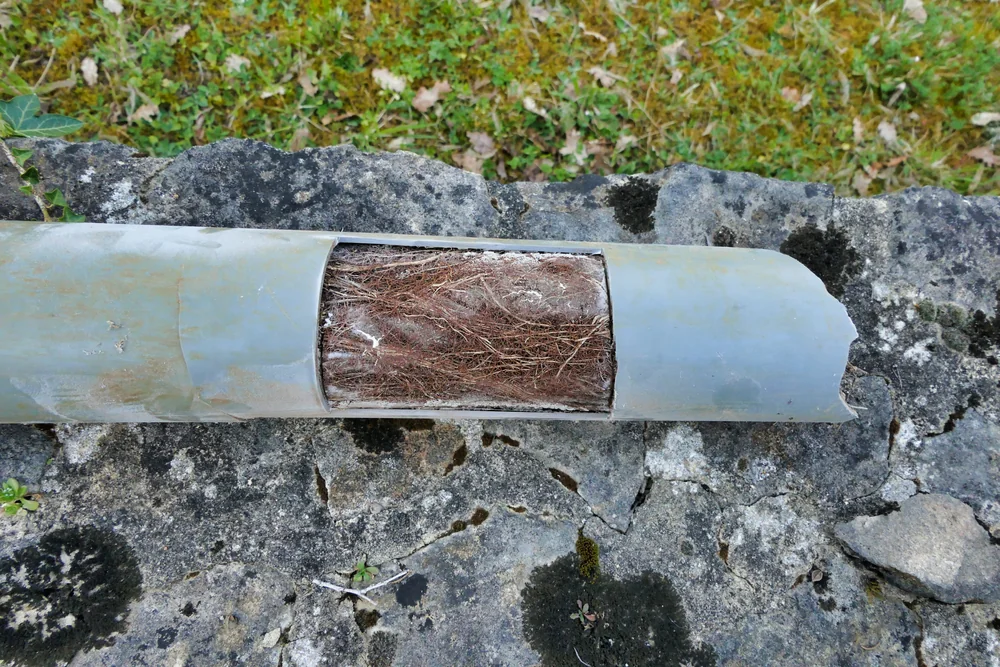
Tree Root Intrusion Through Cracks, Joints and Weak Pipe Sections
Tree roots love moisture, and even the smallest crack in a pipe wall leaks enough water to attract them. Once inside, roots multiply and wrap tightly around internal joints. This eventually:
- blocks water flow
- cracks the pipe wider
- traps debris
- and encourages soil to enter the pipeline
In older areas filled with gum trees and other deep-rooted species, this is one of the leading causes of long-term drainage failure.
Deformed, Collapsed or Misaligned Pipes
Pipes don’t stay perfect forever. Soil pressure and ageing can deform their shape, causing dips or twists. When wastewater flows slowly through the distorted area, sediment settles and builds into a solid blockage.
Homeowners may notice:
- gurgling sounds
- slow-draining sinks
- recurring toilet blockages
- unpleasant odours
These signs mean clearing the pipe won’t fix the underlying structural problem.
Sagging or Bellied Sections That Trap Wastewater
A sagging pipe, known as a “belly”, is one of the most frustrating drainage issues because the pipe fall is altered. Wastewater collects and stays inside the dip rather than flowing down the line.
Over time, this trapped water becomes a collection point for:
- grease
- toilet tissue
- sanitary waste
- food particles
No amount of plunging removes the cause, the pipe must be re-levelled or replaced.
Fat, Scale and Chemical Build-Up in Ageing Pipelines
Older pipelines naturally become rough inside as corrosion, soap residue and mineral deposits coat the walls.
As the internal space narrows, even everyday waste can trigger a blockage. This is why older homes seem to experience more frequent drain problems, despite no change in household habits.
How Professionals Diagnose the Real Source of the Problem
Because these complex conditions are buried beneath concrete, soil, flooring, or garden beds, plumbers rely on specialised diagnostic tools to find the root of the issue safely and accurately.
CCTV Drain Inspections
A CCTV drain inspection involves guiding a small waterproof camera through the drain line. This lets plumbers:
- visually confirm damage
- identify roots, cracks, or collapse points
- understand pipe material and age
- map the pipe route underground
Most importantly, it removes guesswork, and homeowners see the problem clearly on video.
Acoustic and Pressure Testing for Hidden Leaks
Not all faults show up on camera. Pressure and acoustic tests detect leaks and fractures that aren’t visually obvious, especially inside walls or under slabs.
These tests help determine whether the pipe is sound, cracked, or actively leaking water into the soil.
Smoke Testing to Identify Cross-Connections or Ventilation Issues
Smoke testing reveals faults within complex drain networks, particularly in multi-storey buildings. When harmless smoke is pumped into the pipes, it escapes through:
- broken seals
- illegal stormwater connections
- damaged vents
- foundation cracks
This method quickly identifies points where sewer odours or gases may enter the home.
Locating Tools for Pinpointing Depth and Alignment Problems
Once damage is detected inside the pipe, location equipment pinpoints the exact position and depth underground. This prevents unnecessary digging and allows repairs to target only the damaged section.
When DIY Isn’t Enough and Why Professional Help Matters
Many people turn to plungers, drain rods, or supermarket drain cleaners before calling a plumber. While understandable, these methods often make structural problems worse.
Household Tools Can Cause More Damage
Forcing rods or hoses into a damaged pipe risks:
- puncturing old pipe walls
- shifting joints further apart
- enlarging cracks
- pushing debris deeper inside
On ageing terracotta pipes, even light pressure can trigger a full collapse.
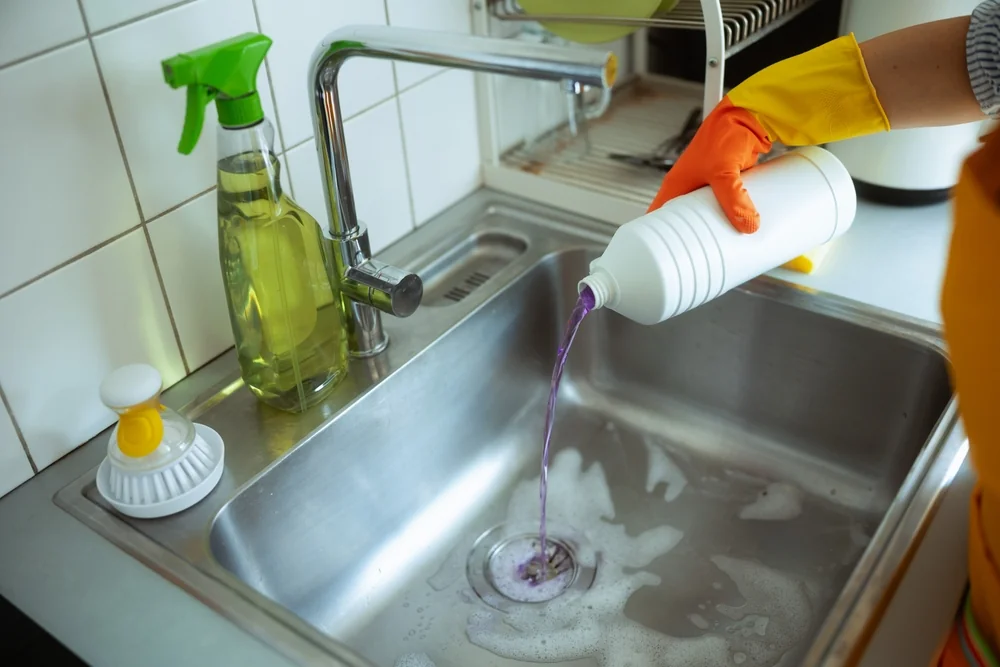
The Limitations of Chemical Drain Cleaners
Chemical drain products often promise quick results, but they:
- thin the internal pipe material
- corrode joints
- destroy rubber seals
- and accelerate pipe deterioration
They’re helpful for grease, but they do nothing for structural problems; they only hide the symptoms.
Issues with Shared Plumbing Networks
Properties like townhouses, units or duplexes often share drain infrastructure. One damaged section can affect multiple buildings, which means responsibility and repair access must be handled professionally.
DIY methods don’t address these complexities, and unlicensed work may void insurance.
Solutions That Actually Prevent Blocked Drains for Good
The only way to stop recurring blockages permanently is to fix the underlying structural problem inside the pipe. Modern solutions are designed to repair or replace the compromised area and protect the system from further deterioration.
Pipe Relining: Permanent Repair Without Excavation
Pipe relining creates a new pipe inside the original one by installing a strong epoxy liner. Once cured, the new layer seals cracks, smooths the interior surface and blocks future root entry.
Relining is ideal when:
- pipes run beneath driveways
- excavation would destroy landscaping
- access is limited
- the pipe is mostly intact but damaged in sections
It’s fast, cost-effective and reliable.
When Full Pipe Replacement Is the Better Option
Replacement is recommended when the pipe has:
- collapsed completely
- significant misalignment
- major corrosion
- or multiple damage zones
Although more disruptive, replacement guarantees a strong new system that will last for decades.
Preventing Root and Ground Movement Issues
After repair, preventative planning helps avoid future damage. This may include:
- choosing low-impact tree species
- installing root barriers
- avoiding vehicle parking over drain lines
- scheduling routine inspections
These habits protect the pipe system before major problems develop.
Using Modern Plumbing Materials for Better Flow
Today’s pipe materials, like PVC and HDPE, provide far smoother internal surfaces than older clay or metal systems. This reduces friction, improves drainage flow and lowers long-term maintenance needs.
When a blocked drain keeps returning, it isn’t just bad luck; it’s a sign of hidden structural failure below the surface. Modern diagnostics allow plumbers to locate the real cause, and long-term repair solutions like relining and pipe replacement ensure the problem doesn’t return.
At Plumbing Inspectors, our goal is to help homeowners understand what’s happening underground and provide repair methods that fix the issue permanently, not temporarily. With the right approach, even the most stubborn blocked drains can be solved for good; protecting your home, your plumbing system and your peace of mind.

.webp)