

Why Drains Keep Blocking: The Most Common Underlying Causes
Blocked drains in Brisbane rarely occur without an underlying cause. When plunging or emergency callouts become a repeated response, the issue is often linked to recurring problems within the plumbing system rather than a one-off obstruction. At Plumbing Inspectors, recurring blocked drains are often traced back to a combination of everyday misuse, hidden damage, ageing pipework or faults in the way the drainage system was installed.
This article explains the most common reasons drains keep blocking, including grease and food waste in kitchen lines, hair and soap build-up in bathroom drains, tree root intrusion, scale deposits, incorrect pipe gradients and deteriorating pipework. It also outlines why identifying the true cause matters for the condition of the plumbing system, the cost of repairs and the likelihood of future blockages.
Understanding Why Drains Keep Blocking
Repeated drain blockages usually indicate an underlying problem rather than an isolated incident. Clearing the water each time only deals with the immediate symptom, not the cause. To stop a sink, shower or toilet from backing up again, it is important to identify what is happening inside the pipework and, in some cases, further along the drainage system.
Most recurring drainage problems fall into a few clear categories. These include waste that should not be entering the system, pipework that has been poorly designed or installed, ageing materials that are starting to fail, and external issues such as tree root intrusion or ground movement. Understanding these causes makes it easier to work out whether the problem can be improved through better usage habits or whether further inspection and repair are needed.
Everyday Misuse and Build-Up Inside the Pipe
In many homes and businesses, drains become blocked because they are routinely used for waste that should be placed in the bin. Over time, this creates a thick internal coating that narrows the pipe and restricts water flow.
Common causes include:
- Fats, oils and grease from cooking that cool and harden on pipe walls
- Food scraps, coffee grounds, rice and pasta that swell or cling inside the pipe
- Wipes, sanitary products, cotton buds and nappies that do not break down properly
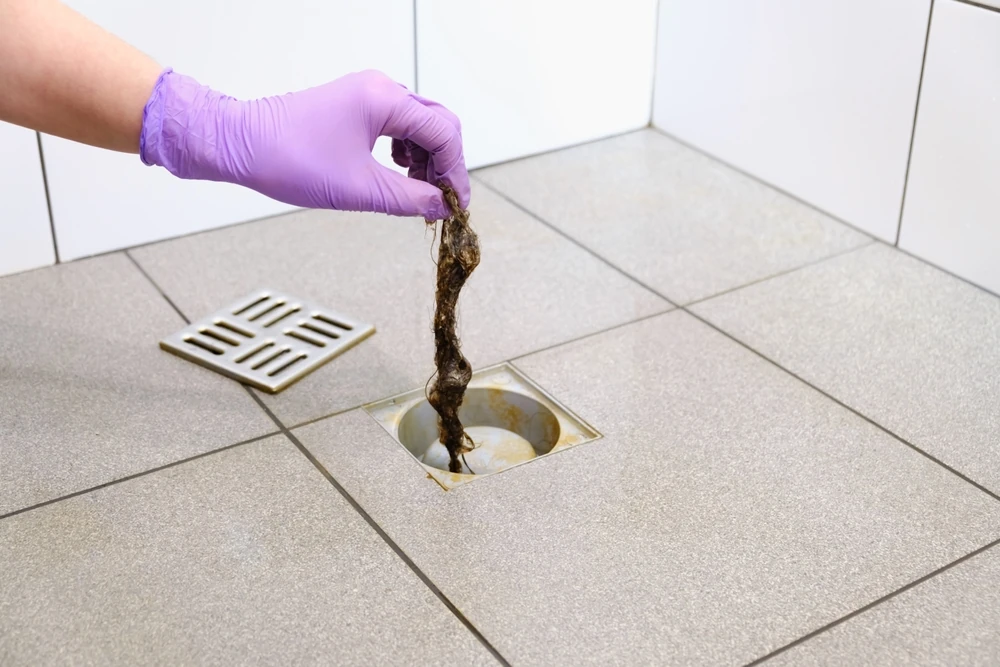
Bathroom drains are affected differently but just as often. Hair combines with soap scum, shampoo residue and other products to form dense clumps that catch on imperfections inside the pipe. What begins as a slow drain can gradually develop into a complete blockage. In multi-storey properties, misuse in one unit can also affect neighbouring fixtures connected to the same stack or main line.
Plumbing Design and Installation Faults
If a drain keeps blocking soon after being cleared, the layout or installation of the plumbing system may be contributing to the problem. Poor design slows the movement of waste, allowing material to settle and build up more quickly under normal day-to-day use.
Typical issues include:
- Long horizontal runs with insufficient fall
- Pipe diameters that are too small for the fixtures or appliances connected to them
- Incorrectly connected back-to-back fixtures
- Inadequate or blocked venting that interferes with flow and air movement through the system
These problems often appear as repeated blockages in the same location, slow drainage despite careful use, or gurgling noises from nearby fixtures. In these cases, clearing the pipe only provides temporary relief while the underlying fault remains in place.
Tree Roots and Hidden Underground Damage
Tree roots are one of the most common hidden reasons drains keep blocking, even when nothing inappropriate is being flushed. Roots naturally seek out moisture, so even a small crack or loose joint in a drainpipe can become an entry point. Once inside, roots continue growing, catch passing debris and steadily reduce the internal space available for water to flow.
Underground damage caused by ageing pipes, ground movement or earlier poor-quality repairs can create the openings that roots need. The result is often a drain that seems to clear for a short time after plunging or jetting, only to block again because the structural problem has not been resolved.
How Tree Roots Enter Drainpipes
Roots usually enter where the pipe is already vulnerable rather than breaking through sound pipe walls. Common entry points include:
- Old clay pipe joints where seals have deteriorated
- Fine cracks caused by soil movement or traffic loads above
- Junctions and connections to inspection openings or branch lines
Root intrusion is especially common near established trees and large shrubs, but even smaller ornamental plantings can cause major problems when they are too close to sewer or stormwater lines.
Signs of Root Intrusion and Hidden Pipe Damage
Repeated blockages in the same fixture or section of pipe often point to a structural issue rather than a simple build-up. Common warning signs include:
- Drains that run slowly and then suddenly back up
- Gurgling noises from toilets or floor drains when other fixtures are used
- Wet patches or overflow near external gully traps or inspection points
- Areas of lawn that appear greener or softer above a buried line
Because the problem is underground, a CCTV drain camera inspection is usually needed to confirm whether roots are present and whether the pipe is cracked, misaligned or partially collapsed.
Long-Term Solutions for Root-Damaged Drains
Mechanical cutting or high-pressure jetting can remove root growth and restore flow, but this is often only a temporary measure. If the entry point remains open, roots generally return.
Lasting solutions depend on the condition of the pipe and may include:
- Excavating and replacing broken or displaced sections
- Installing trenchless pipe relining to seal cracks and joints internally
- Changing pipe routes where invasive root systems are a continuing problem
Root barriers and better plant selection can help reduce future issues, but only after the damaged pipework has been properly repaired.
Grease, Hair and Everyday Waste Build-Up
Grease, fat, hair and everyday waste are among the most common reasons household drains keep blocking. These materials often enter the plumbing in small amounts that seem harmless at the time, but gradually combine and harden inside the pipe until water can no longer pass through properly.
How Grease and Fat Block Drains
Cooking oil and fat may appear to wash away with hot water, but once the mixture cools inside the pipe it begins to solidify and stick to the internal walls. Each discharge adds another layer until the pipe diameter is reduced enough to slow drainage significantly.
Common contributors include:
- Bacon fat
- Meat juices and roasting tray residue
- Creamy sauces and gravies
Kitchen sinks and dishwasher waste lines are especially prone to this kind of build-up. Early warning signs often include slow drainage, gurgling sounds and a sour or rancid smell from the waste outlet.
Hair and Soap Scum in Bathroom Drains
Bathroom drains collect hair easily, especially where product residue is already coating the inside of the pipe. Soap scum, shampoo, conditioner and shaving products bind the hair together into dense clumps that trap more debris over time.
Showers, baths and bathroom basins are particularly vulnerable. Typical signs include water pooling around the feet while showering, slow-draining basins and stale odours coming from the drain.
Everyday Items That Should Not Go Down Drains
Many recurring blockages are caused by products that should never enter the plumbing system at all. Even where packaging claims an item is disposable or flushable, that does not mean it will move safely through household drains.
Common offenders include:
- Wet wipes and cosmetic wipes
- Cotton buds and dental floss
- Paper towels, sanitary products and nappies
- Food scraps, peelings, rice and pasta
These materials either swell, catch on existing residue, or combine with grease and hair to create a more solid obstruction.
Pipe Design Problems and Ageing Materials
Persistent blockages can also be traced back to the age, material and structural condition of the drainage system. Even with good day-to-day habits, pipes that are poorly laid, undersized or deteriorating are far more likely to clog repeatedly.
Material Lifespan and Deterioration
Each pipe material tends to fail in predictable ways over time.
Older clay pipes are prone to cracking and displacement at the joints. Once openings develop, soil, roots and silt can enter the line. The internal surface of ageing clay can also become rougher, making it easier for debris to catch.
Cast iron pipework often corrodes internally. As rust builds up, the bore narrows and waste finds it harder to pass through. In severe cases, the effective opening becomes so small that even ordinary use leads to frequent blockages.
Legacy Installations and Modern Usage
Many older drainage systems were not designed for the level of use they now receive. Additional bathrooms, larger households, high-output appliances and changing usage patterns all place more demand on pipework that may already be limited in capacity.
Where an older system has restricted flow or hidden defects, heavier use tends to expose those weaknesses more often. In these cases, lasting improvement may require redesigning or upgrading sections of the drainage system rather than repeatedly clearing the same blockage.
Ground Movement and Stormwater Pressure
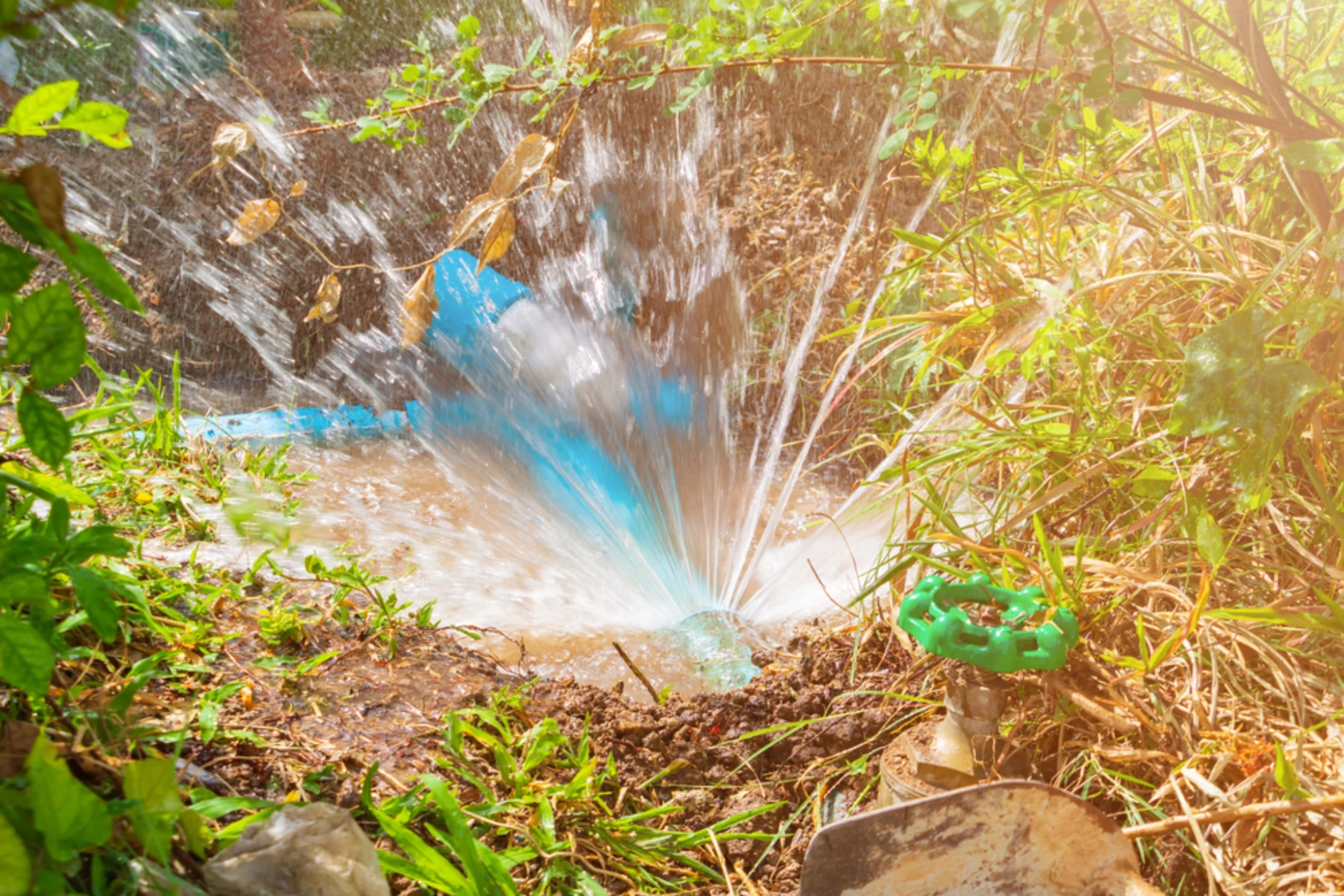
Ground movement and stormwater pressure are two external forces that can damage buried pipework and lead to recurring drainage issues. Even a correctly installed system can begin to fail if surrounding soil shifts, becomes oversaturated or loses support.
When this happens, pipes may crack, sag or separate at the joints. These defects then allow waste, roots and sediment to catch inside the line and gradually obstruct flow.
How Ground Movement Affects Drains
Pipes rely on stable support from the soil around them. When that support changes, the pipe can become stressed or distorted. Common causes include seasonal soil shrink and swell, shifting groundwater conditions, nearby excavation, and vibration from traffic or machinery.
This can result in:
- Hairline cracks that widen over time
- Sagging sections where water and waste collect
- Joints that pull apart or fall out of alignment
Older earthenware and concrete pipes are especially vulnerable because they are rigid and jointed in shorter sections. PVC pipework is more flexible, but it can still fail where bedding or backfilling is poor.
Recognising Movement-Related Drainage Problems
Certain patterns can suggest that ground movement or stormwater pressure is contributing to repeat blockages. These include drains that worsen after rain, repeated overflows at the same inspection point, or soggy and sunken areas above a buried line.
Surface clearing methods alone rarely solve these problems. A proper investigation usually involves CCTV inspection and locating equipment to identify where the pipe has cracked, sagged or shifted.
Depending on the findings, repairs may involve:
- Replacing cracked or displaced sections
- Regrading sagged pipe runs
- Improving bedding and backfill support
- Upgrading site drainage to reduce surrounding soil saturation
Finding the Real Cause and Preventing It
Identifying why a drain keeps blocking starts with understanding what is happening inside the pipe rather than focusing only on the fixture where water is backing up. Repeated blockages often point to a specific issue such as poor fall, root intrusion, pipe damage or long-term build-up. Unless that cause is properly identified, the same problem is likely to return.
Using Proper Inspection Instead of Guesswork
A CCTV drain camera is one of the most effective tools for diagnosing recurring drainage issues. It allows the internal condition of the pipe to be assessed directly, revealing cracks, root intrusion, displaced joints, low sections, accumulated grease and lodged debris.
A basic flow test can also help determine whether the issue is isolated to one branch line or affecting the main drainage run. Gurgling, delayed drainage and water appearing in unexpected fixtures may indicate a downstream obstruction or venting issue.
External checks are also useful. Inspection openings, gullies and yard drains often show signs of surcharge, trapped waste or visible root entry that support the camera findings.
Matching Repairs to the Root Cause
Once the issue has been identified, the repair method should match the actual fault. Structural problems such as collapsed sections, open joints or poor alignment may require excavation and replacement or, where suitable, pipe relining. Root intrusion may be cleared mechanically, but unless the entry point is sealed, the problem usually returns.
Changing Use and Maintenance to Stop Recurrence
Long-term prevention depends on both proper repairs and better day-to-day use of the system.
In kitchens, this means scraping food into the bin, wiping greasy cookware before washing and using strainers to catch solids. In bathrooms, it means using drain guards where practical and keeping wipes, sanitary products and cotton buds out of the system. Outside, regular clearing of leaves and debris from stormwater drains can help reduce overload during heavy rain.
Recurring blocked drains are usually the result of a pattern rather than a single failure. Build-up inside the pipes, installation faults, ageing materials, tree roots and soil movement can all contribute to repeat problems over time. Identifying the true cause is the key step in preventing ongoing blockages, avoiding unnecessary callouts and improving the long-term reliability of the drainage system.

.webp)