

Why Are Multiple Drains Backing Up at the Same Time?
When several drains in a property begin backing up at the same time, the problem is rarely limited to a single fixture. Multiple slow drains, gurgling toilets or wastewater appearing in showers and floor drains can indicate a deeper restriction. For property owners dealing with blocked drains in Brisbane, recognising these patterns early can help limit water damage and prevent a minor restriction from developing into a major sewer backup.
Plumbing Inspectors helps identify the warning signs associated with multiple blocked drains and understand when professional assessment may be necessary. Rather than repeatedly treating individual fixtures, the focus is on identifying the underlying cause so the appropriate clearing, repair or maintenance can be carried out.
Why Several Drains Can Back Up Together
When several drains back up at the same time, the problem is usually located deeper within the plumbing system rather than at an individual fixture. Multiple affected sinks, toilets, showers or floor drains often indicate a restriction in a shared branch line, main building drain or sewer connection.
As wastewater encounters a partial or complete blockage, it cannot leave the property normally. It may then back up through the lowest or most accessible fixtures when toilets, washing machines, showers or other high-volume fixtures discharge.
Common causes include:
- Grease, food waste and other debris accumulating inside pipes
- Wipes, sanitary products and other unsuitable materials
- Tree roots entering damaged or older underground pipes
- Heavy scale buildup inside deteriorated pipework
- Sagging, collapsed or poorly sloped sections that collect waste
- Blocked or poorly functioning plumbing vents
The location and pattern of the symptoms can provide useful clues. If only fixtures in one bathroom or kitchen are affected, a shared branch line may be responsible. When fixtures in different areas or on multiple levels back up together, the main building drain or sewer connection becomes more likely.
Warning Signs of a Main Sewer Line Blockage
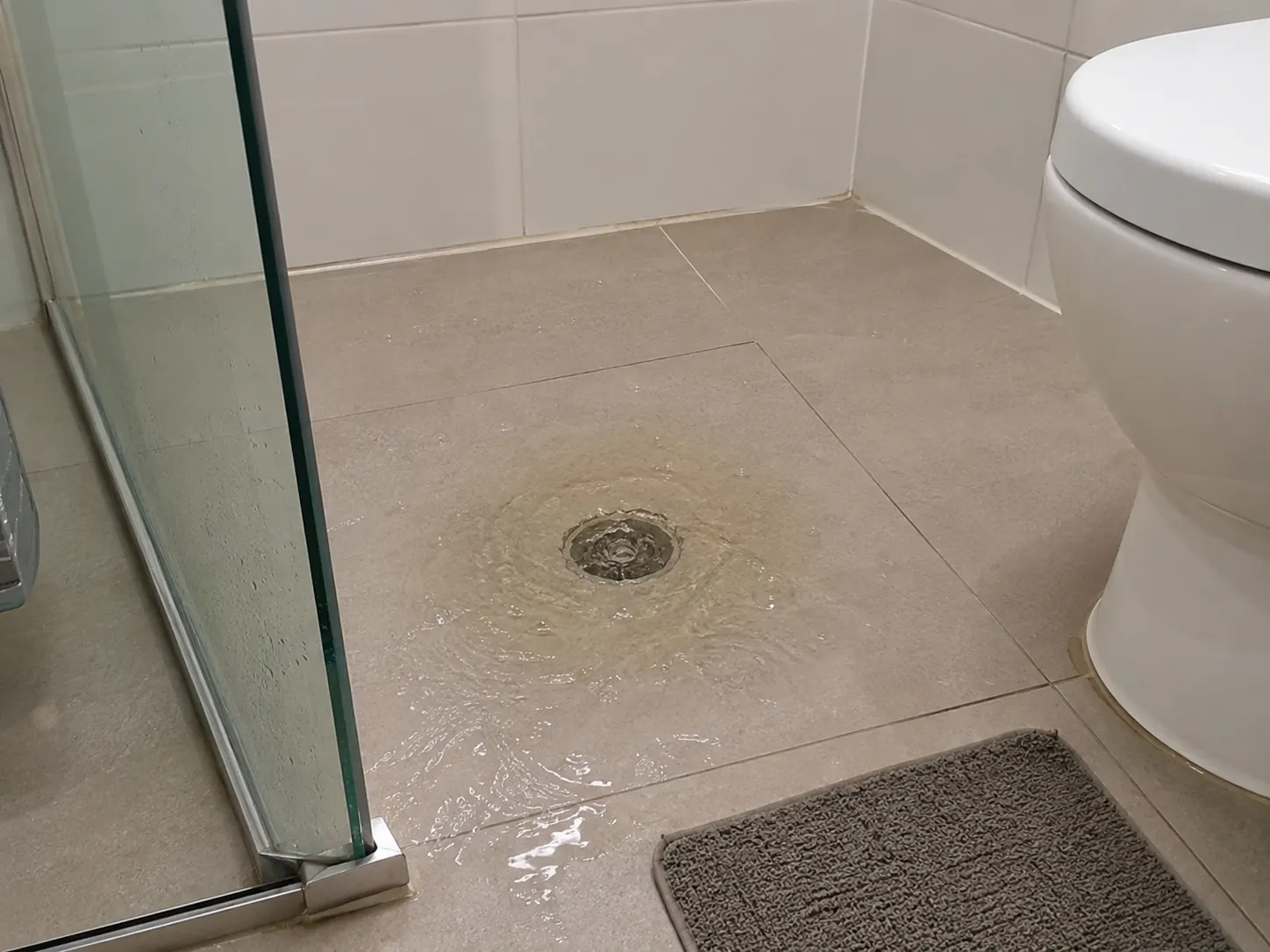
A main sewer blockage rarely affects just one fixture. When several drains become slow, gurgle or back up within a short period, the restriction is more likely to be further along the drainage system.
Beware of these warning signs:
- Several fixtures backing up together: Flushing a toilet may cause water to rise in a shower or tub, while a washing machine may push wastewater into a floor drain.
- Problems at lower-level fixtures: Floor drains, ground-floor showers, tubs and utility sinks often show symptoms first because wastewater backs up towards the lowest available outlet.
- Gurgling toilets or drains: Bubbling or gurgling after flushing or running another fixture can indicate trapped air caused by restricted wastewater flow.
- Sewer odours: Persistent foul smells around several drains may indicate stagnant wastewater within a partially blocked line.
- Slow drainage throughout the property: When multiple fixtures become progressively slower, the restriction is more likely to be in a shared or main drainage line.
- Recurring blockages: If the same problem returns after plunging or drain clearing, the underlying obstruction may still be present.
A single slow drain is more likely to have a localised obstruction. When several areas of the property show symptoms at once, the problem warrants a broader assessment.
How to Tell Where the Blockage Is Located
The affected fixtures and location of the wastewater can help indicate whether a blockage is within the property or further along the sewer connection. However, these signs cannot always pinpoint the exact location.
If only fixtures in one bathroom, kitchen or laundry are affected, the restriction may be in a shared branch line. When toilets, showers, sinks and floor drains in different areas or on multiple levels are affected, the main building drain or downstream sewer connection is more likely to be involved.
The point where wastewater appears can provide another clue. For example, a shower or floor drain that overflows when an upstairs toilet is flushed suggests the restriction is further downstream of those fixtures.
Where an accessible sewer cleanout or inspection point is available, standing wastewater may also indicate a downstream blockage. Cleanouts should not be opened if doing so could result in uncontrolled sewage discharge.
Because symptoms alone cannot always distinguish between a branch blockage, main drain restriction or external sewer problem, professional testing may be required.
Common Causes of Multiple Drain Backups
Several different problems can produce similar backup symptoms. The most common ones are:
- Blocked or partially blocked main sewer lines: Grease, paper products, wipes and other debris can restrict the main drain. Tree roots, heavy scale, collapsed sections and sagging pipes can create similar problems.
- Shared branch line blockages: A restriction in a branch serving several fixtures may affect one bathroom, kitchen, laundry or section of the property while other drains continue operating normally.
- Poorly sloped or deteriorated pipework: Sagging, damaged or incorrectly graded pipes can allow solids and wastewater to collect rather than flow away efficiently.
- Blocked plumbing vents: A restricted vent can interfere with airflow through the drainage system and contribute to gurgling, slow drainage and unusual odours.
- Tree root intrusion: Roots can enter damaged underground pipes and gradually restrict the available flow area while trapping additional debris.
The pattern of the backup can help narrow down the likely cause, but a professional inspection may be needed to confirm whether the problem is a blockage, venting issue or structural defect.
What to Do and Avoid When Several Drains Back Up
When several drains back up, the priority is to limit additional wastewater entering the system and avoid actions that could worsen the situation.
What to Do
The priority is to reduce water entering the drainage system and prevent wastewater from spreading into other areas of the property.
- Stop unnecessary water use: Avoid flushing toilets, running taps, using showers or operating washing machines and dishwashers.
- Turn off an overflowing toilet: Use the isolation valve besides or behind the toilet to stop the water supply.
- Keep people and pets away: Avoid contact with sewage or contaminated water.
- Note the symptoms: Identify which fixtures are affected and whether there is gurgling, foul odours or wastewater appearing at lower-level drains.
- Arrange professional assessment: A licensed plumber can determine whether the restriction is in a branch line, main drain or sewer connection.
What to Avoid
DIY attempts can make a widespread blockage worse when wastewater is already backing up through several fixtures.
- Do not continue using the plumbing: Additional water can overwhelm a partially blocked line and force wastewater into other fixtures.
- Do not repeatedly use chemical drain cleaners: These products may not clear a main-line blockage and can leave hazardous chemicals inside the pipe.
- Avoid aggressive plunging: Forceful plunging may not reach a deeper obstruction and can move contaminated water into connected fixtures.
- Do not remove toilets or open pipework unnecessarily: This can release sewage and increase the risk of contamination and property damage.
- Do not ignore recurring backups: Repeated problems may indicate tree roots, damaged pipes, heavy buildup or another underlying defect.
If sewage is present, multiple fixtures continue to back up or the problem is rapidly worsening, professional assistance should be arranged promptly.
How a Plumber Locates and Clears the Blockage
When several drains are affected, a plumber will usually investigate the drainage system as a whole rather than treating each fixture separately. The process generally involves four stages.
1. Assess the Symptoms
The plumber identifies which fixtures are affected and observes how they respond when other fixtures are used. Accessible cleanouts may also be checked for standing wastewater.
The pattern of the backup can help determine whether the likely restriction is in a branch line, main building drain or sewer connection.
2. Locate the Cause
If the blockage cannot be identified through basic assessment, a sewer camera may be inserted through an appropriate access point. This can reveal:
- Grease, paper and accumulated debris
- Tree root intrusion
- Heavy scale
- Cracked or separated pipes
- Sagging or collapsed sections
Camera inspection is particularly useful when blockages recur or when a structural problem is suspected.
3. Clear the Blockage
The clearing method depends on the type, location and severity of the obstruction. Common methods to follow could be:
- Drain augering: A powered cable can break through or remove many common obstructions.
- Hydro jetting: High-pressure water can remove grease, sediment and heavy buildup from suitable pipework.
- Localised drain clearing: Smaller equipment may be used when the restriction is limited to a branch or individual fixture.
The method should be selected according to the condition and material of the pipe rather than simply using the most aggressive option.
4. Check the Line and Address the Cause
After clearing the blockage, water may be run through the system to confirm normal flow. A further camera inspection may also be appropriate.
If damaged, sagging or severely root-affected pipework is identified, clearing the blockage alone may only provide temporary relief. Repair or replacement may be necessary to address the underlying problem.
Can Tree Roots Cause Multiple Drains to Back Up?
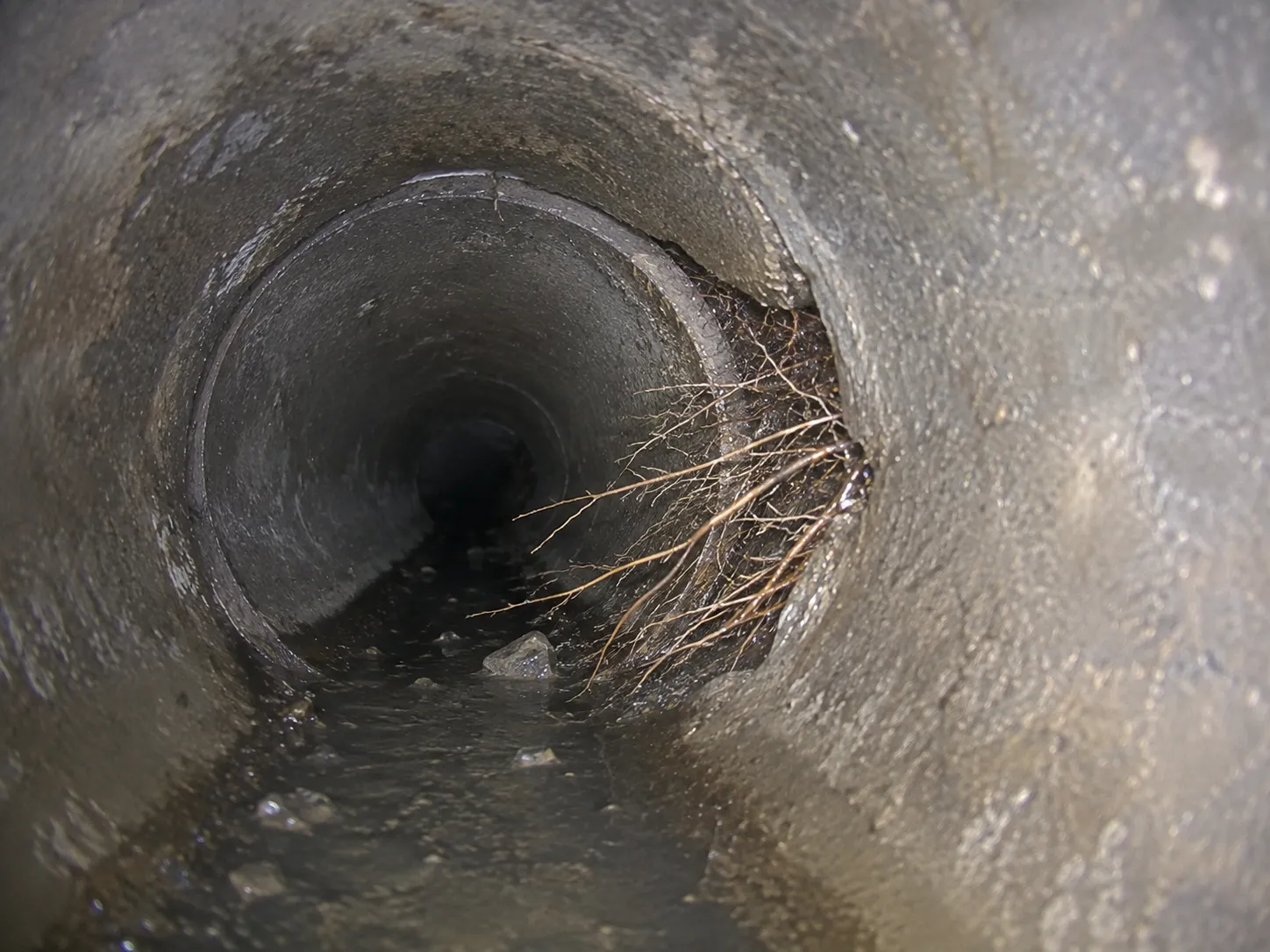
Yes. Tree roots can cause multiple drains to back up when they enter and progressively restrict a shared branch line, main building drain or sewer connection. Roots commonly enter through cracks, damaged joints or gaps in underground pipes, where they can trap grease, paper and other debris.
As root growth becomes denser, wastewater has less room to pass through the pipe. If the affected section serves several fixtures, toilets, showers, sinks and floor drains may all become slow or back up when large amounts of water are discharged.
Recurring blockages can be a sign of root intrusion, especially when gurgling, sewer odours and slow drainage continue after previous clearing. However, similar symptoms can result from grease buildup, collapsed pipes or other obstructions, so a camera inspection may be required to confirm the cause.
Mechanical root cutting or hydro jetting may restore flow, but recurring root intrusion can indicate damaged pipework that requires repair or replacement.
When Multiple Drain Backups Require Emergency Plumbing
Multiple drains backing up together can indicate a serious blockage in the main sewer line or a major branch line. Prompt professional attention is important when wastewater is entering the property or the backup is getting worse.
When to Call an Emergency Plumber
Emergency plumbing assistance may be appropriate when:
- Toilets gurgle or overflow when other fixtures are used
- Wastewater or sewage backs up through showers, tubs or floor drains
- Several fixtures stop draining at the same time
- Backups are rapidly becoming worse
- A blockage returns shortly after temporary clearing
- Sewage reaches floors, carpets, kitchens or laundry areas
- Wastewater approaches electrical outlets, appliances or other hazards
When these signs occur, water use should be stopped throughout the property. Toilets, sinks, showers, washing machines and dishwashers can all add more water to a restricted system and increase the risk of further backup.
How to Prevent Recurring Main Drain Blockages
Preventing recurring blockages starts with reducing what enters the drainage system and responding to warning signs before a minor restriction becomes a major backup.
Property owners can help protect the main drain by:
- Keeping grease and unsuitable waste out of drains: Avoid pouring fats, oils and grease down kitchen sinks. Toilets should only receive human waste and toilet paper. Wipes, sanitary products and paper towels should be disposed of separately.
- Acting on early warning signs: Slow drains, recurring toilet gurgling, sewer odours and water appearing in another fixture can indicate a developing restriction. Recurring symptoms should be investigated rather than repeatedly treated as isolated clogs.
- Addressing roots and damaged pipes: Tree roots, cracked pipes, collapsed sections and sagging pipework can cause blockages to return after the immediate obstruction has been cleared. Camera inspection can help determine whether cleaning, repair or replacement is appropriate.
- Maintaining the drainage system: Properties with older pipework or a history of recurring blockages may benefit from periodic professional inspection or cleaning. Keeping cleanouts and inspection points accessible can also make future problems easier to diagnose.
Preventing repeat backups ultimately means addressing the cause rather than continually clearing the symptom.
When to Call a Plumber for Multiple Blocked Drains
A single slow drain may respond to basic cleaning or careful plunging, but several blocked drains usually indicate a deeper problem. When toilets, sinks, showers or floor drains are affected at the same time, the restriction may be in a shared branch, main building drain or sewer connection.
When Several Fixtures Are Affected
Professional assessment is recommended when multiple fixtures drain slowly or back up at the same time. A reaction between fixtures is significant. For example, if flushing a toilet causes water to rise in a shower or running a washing machine makes a floor drain overflow, the fixtures may share a restricted drainage line.
A plumber can trace the problem to the affected section rather than treating each fixture separately.
When Blockages Keep Returning
A blockage that returns after plunging, snaking or other temporary clearing may indicate an underlying problem. Tree roots, grease buildup, damaged pipes, collapsed sections and pipe deformation can all cause recurring restrictions.
A camera inspection may be recommended to determine whether cleaning is sufficient or whether repair or replacement is needed.
When Wastewater or Sewage Backs Up
Wastewater entering a shower, tub, toilet or floor drain requires prompt attention when sewage is present or the backup is getting worse. Stop using unnecessary plumbing fixtures to avoid adding more water to the restricted system.
DIY drain cleaners and repeated plunging are unlikely to resolve a main-line blockage. For active sewage backups, property owners may need emergency plumbers in Brisbane for urgent assistance.
Multiple blocked drains should therefore be treated as a system-wide warning rather than several unrelated clogs. Prompt professional assessment can identify the cause, clear the affected line safely and determine whether further repairs or maintenance are required.
Plumbing Inspectors assess these warning signs and investigate recurring drainage problems. By looking beyond the visible backup and considering the condition, layout and history of the pipework, professional inspection can help determine whether clearing, repair or further investigation is appropriate. Addressing the underlying problem can restore reliable drainage while reducing the likelihood of repeated backups, sewage exposure and costly property damage.

.webp)