

How Long Does a Hot Water System Last?
A hot water system can last for many years, but its service life depends on factors such as the type of system, water quality, usage, installation and maintenance. For those seeking advice from a plumber in Brisbane, knowing what affects system lifespan can make it easier to plan for repairs or replacement and avoid unexpected breakdowns.
Different hot water systems have different expected lifespans, while issues can shorten their service life. Recognising these factors and the warning signs of an ageing system can help maintain reliable hot water and control long-term costs.
Plumbing Inspectors can assess the condition of a hot water system and identify when maintenance, repair or replacement may be appropriate. Understanding typical service lives and the factors that affect them can help properties make decisions about their hot water system.
Average Lifespan of Different Hot Water Systems
Most modern hot water systems can provide reliable service for many years, although the expected lifespan varies between system types. Installation quality, water conditions, usage and maintenance can all influence whether a system reaches the shorter or longer end of its typical service life.
Knowing the approximate lifespan of each system type can help with replacement planning and make it easier to recognise when an ageing unit may require closer assessment.
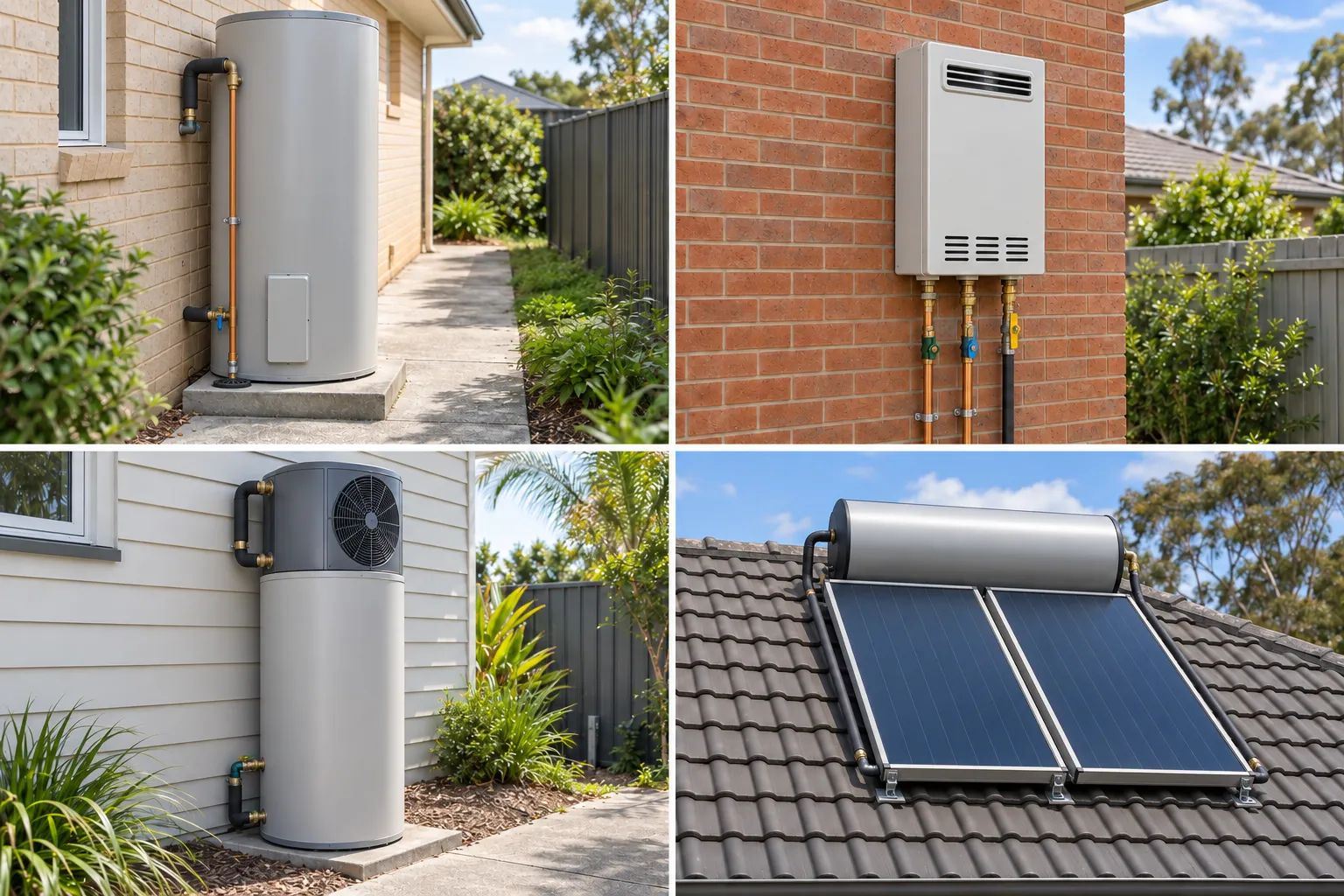
Electric Storage Systems
Electric storage systems have a typical service life of around 8 to 12 years. The storage tank is often the main limiting factor, as corrosion can develop internally over time, particularly where water conditions are harsh.
Rusty or discoloured water, frequent electrical faults and leaks from the tank can indicate deterioration. Maintaining the sacrificial anode and temperature and pressure relief valve can help protect the system, but a badly corroded or leaking tank will require replacement.
Gas Storage Systems
Gas storage systems commonly provide around 8 to 10 years of service, although actual lifespan varies with usage, installation and maintenance. In addition to tank corrosion, the burner and other gas components require regular servicing.
Persistent pilot light problems, burner deterioration or reduced hot water capacity can indicate an ageing system. Servicing the burner, flue and gas components can help maintain safe and reliable operation but cannot prevent eventual tank deterioration.
Continuous Flow Systems
Continuous flow systems can often provide around 12 to 20 years of service because they do not rely on a large storage tank. Without stored water, tank corrosion is not a major failure point, although components can still deteriorate.
Scale can be a concern in areas with hard water. Regular servicing and descaling where required can help maintain heat transfer and reduce strain on the system. Electric instantaneous systems may have a shorter service life depending on demand and operating conditions.
Heat Pump and Solar Systems
Heat pump systems commonly provide around 10 to 15 years of service, although the lifespan of individual components can vary. Compressors, fans, sensors and electronic controls are subject to mechanical and electrical wear, making regular servicing important.
Solar hot water systems can have a long overall service life, but their components do not necessarily age at the same rate. Solar collectors may continue operating while the storage tank, pump, valve or controller requires replacement. The condition of each component therefore needs to be considered when assessing an older solar system.
What Affects the Lifespan of a Hot Water System?
The lifespan of a hot water system depends on more than its age or model. The conditions in which the system operates, how it was installed and how it is maintained can all influence its reliability and remaining service life.
Here are the main factors included:
- Water quality: Hard or mineral-rich water can contribute to scale, corrosion and reduced heating efficiency.
- Installation quality: Correct pipe sizing, valve selection, connections and required clearances help the system operate as intended.
- Usage: High hot water demand means heating components operate more frequently, increasing wear over time.
- Maintenance: Regular servicing can identify leaks, corrosion, worn components and other problems before they become more serious.
- Environmental conditions: Moisture, coastal exposure, poor ventilation and direct weather exposure can contribute to corrosion or component deterioration.
Considering these factors alongside the system's age and condition provides a more useful indication of its remaining service life than age alone.
Does Water Quality Affect Hot Water System Lifespan?
Yes, water quality can affect how long a hot water system lasts. Hard water contains minerals that can form scale inside storage tanks, heating elements and heat exchangers. Eventually, this can reduce heating efficiency and place additional strain on components.
Water chemistry can also contribute to corrosion, particularly in storage systems. Regular maintenance can help reduce the effects of mineral build-up and protect components from premature deterioration.
How Does the Type of Hot Water System Affect Its Lifespan?
The type of hot water system affects its lifespan because each technology relies on different components and heating methods. The main failure points vary between systems.
- Storage systems: Electric and gas storage systems are more exposed to tank corrosion and sediment because they continuously hold water. Once the tank becomes badly corroded or develops a leak, replacement is required.
- Continuous flow systems: These systems avoid tank corrosion but rely on components such as heat exchangers, sensors and valves. Scale build-up can affect the heat exchanger and reduce efficiency.
- Heat pump systems: Compressors, fans and electronic controls are subject to mechanical and electrical wear. Good airflow and regular servicing can help maintain their performance.
- Solar systems: Solar collectors, storage tanks, pumps and controllers can have different service lives. One component reaching the end of its life does not necessarily mean the entire system needs to be replaced.
The most suitable system will depend on factors like household demand, water quality, available space and installation conditions. Selecting the right system and maintaining it appropriately can help maximise its useful life.
Signs Your Hot Water System May Be Nearing the End of Its Life
Hot water systems often show signs of deterioration before they stop working completely. Changes in water temperature, unusual noises, visible corrosion and repeated faults can indicate that the system is becoming less reliable.
Inconsistent Temperature and Reduced Performance
A system that no longer provides a consistent supply of hot water may be developing a fault. Lukewarm water, fluctuating temperatures or running out of hot water faster than usual can be caused by a failing heating element, burner, thermostat or mineral build-up.
A noticeable decline in performance is important when the system is already approaching its expected lifespan. If the problem continues despite adjustments or minor repairs, replacement may be worth considering.
Knowing what to check when there is no hot water can help identify whether the problem is temporary or requires professional assessment.
Strange Noises, Rust and Leaks
Popping, rumbling or banging sounds from a storage system can indicate sediment build-up inside the tank. This can make the system work harder and place additional strain on its heating components.
Rust around the tank, fittings or pipework is another warning sign, while moisture or pooling around the unit may indicate a developing leak. A leaking or heavily corroded storage tank will require replacement rather than another component repair.
Discoloured Water and Frequent Repairs
Rusty, cloudy or metallic-looking hot water can indicate internal corrosion, a deteriorated sacrificial anode or mineral build-up. These issues are more concerning when they occur alongside other signs of an ageing system.
Frequent breakdowns or increasingly expensive repairs can also suggest that the system is nearing the end of its useful life. When an older unit develops several problems within a short period, replacing it may be more cost-effective than continuing to repair individual components.
Can Regular Maintenance Help a Hot Water System Last Longer?
Yes, regular maintenance can help a hot water system last longer by reducing corrosion, sediment build-up and wear on key components. Routine servicing can also identify issues before they develop into more serious problems.
Regular hot water system checks can help identify leaking valves, corrosion, damaged connections and other warning signs before they lead to a breakdown.
Maintenance requirements vary depending on the system but may include flushing storage tanks, checking sacrificial anodes and temperature and pressure relief valves, inspecting connections and cleaning components. Systems operating in hard water areas or under heavy demand may require more frequent attention.
Simple checks between professional services can also help identify problems early. Unusual noises, rust, leaks, constantly dripping relief valves or changes in water temperature should be investigated promptly. Addressing these issues early can help maintain reliable performance and reduce the likelihood of premature replacement.
Repair or Replace: What Should You Consider?
Deciding whether to repair or replace a hot water system depends mainly on its age, condition, repair costs, efficiency and safety. A minor fault on a relatively new, well-maintained system may be worth repairing, while an older unit with recurring problems may be more practical to replace.
Age and Condition
Age is an important starting point when assessing whether a repair is worthwhile. A system that is nearing the end of its expected lifespan and showing signs such as corrosion, leaks, discoloured water or repeated faults may be more likely to develop further problems.
For a newer system, repairing an individual component can often extend its service life. However, multiple age-related faults may indicate broader deterioration and make continued repairs less cost-effective.
Repair Costs and Efficiency
The cost of the repair should be compared with the price and expected running costs of a suitable replacement. Older systems may also be less efficient, meaning higher energy use can add to their long-term cost even after a repair.
If major repairs are becoming frequent or the system requires expensive components, replacement may provide better value and greater reliability over time.
Safety and Performance
Safety should always be a priority. Gas leaks, electrical faults, burning smells or other dangerous issues require prompt professional assessment. A system that is unsafe or no longer compliant may need to be replaced rather than repaired.
Under Queensland hot water safety requirements, storage tanks must keep water at 60°C or higher to reduce Legionella growth, while water used for washing and bathing should be delivered at a safer temperature through appropriate temperature controls.
Performance is also important. Frequent loss of hot water, fluctuating temperatures or insufficient capacity can indicate that the system is no longer meeting the property's needs. A correctly sized and more efficient replacement may be a better long-term solution.
What Should You Look for When Replacing a Hot Water System?
Replacing a hot water system is an opportunity to choose a unit that suits the property's hot water demand, available space and running costs. The cheapest option is not always the most suitable if the system is undersized or inefficient.
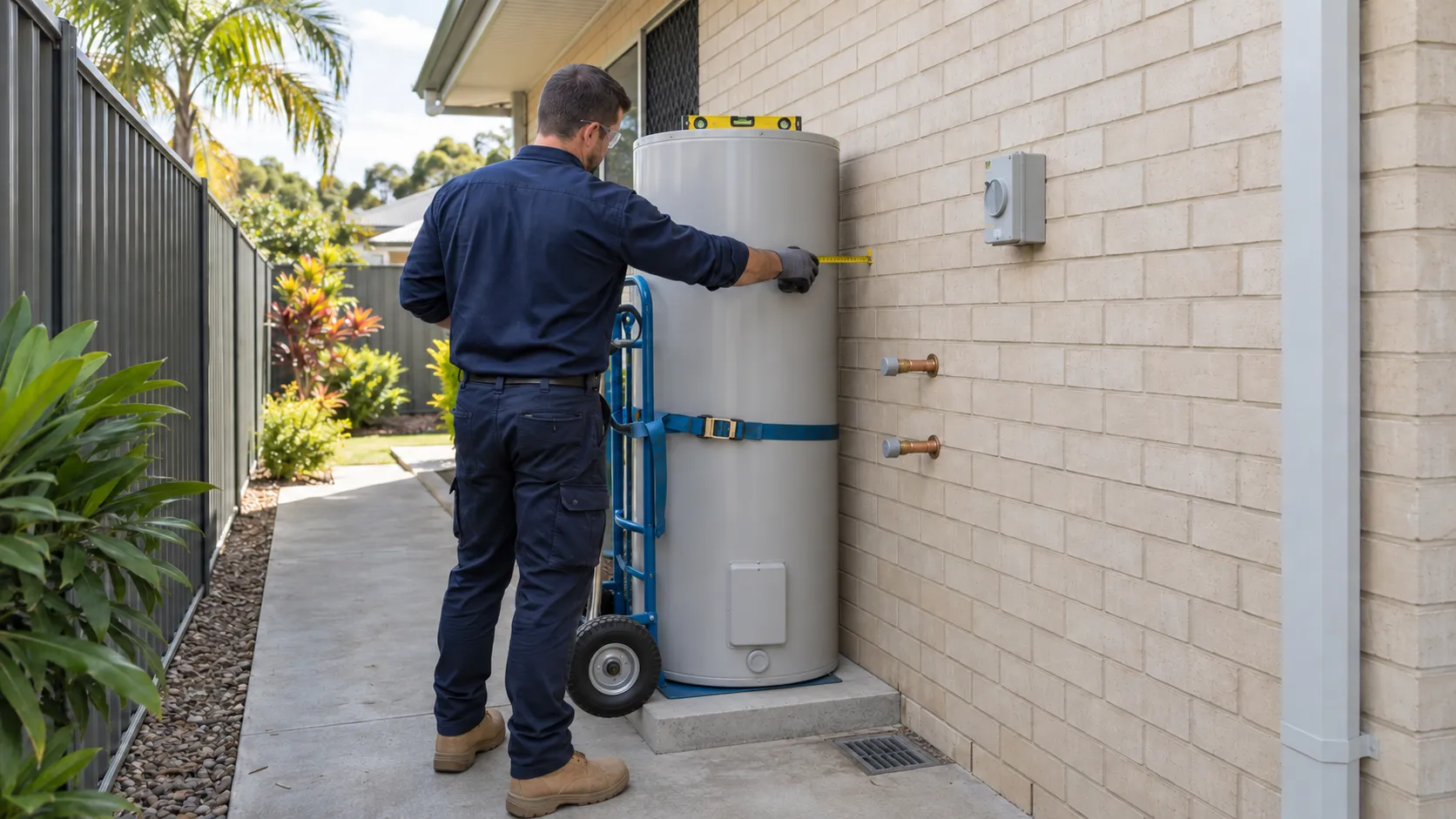
Professional assessment before a hot water system installation can help ensure the replacement is correctly sized and suited to the property’s energy connections, available space and hot water demand. Several factors should be considered before selecting a replacement.
Australian Government guidance on choosing a hot water system recommends considering household size, purchase and running costs, available space, energy sources and the local climate.
Size and Efficiency
The system should provide enough hot water for the property's typical demand without being unnecessarily large. Storage systems require suitable tank capacity, while continuous flow and heat pump systems need to meet the required flow rate and household demand.
Energy efficiency should also be considered alongside the purchase price. A more efficient system may have a higher upfront cost but lower ongoing energy expenses, potentially providing better value over its service life.
Space and Installation
The replacement system needs to suit the available installation area and existing services. Space, ventilation, drainage, electrical supply and gas connections can all affect which options are suitable.
Checking these requirements before purchasing can help avoid unexpected installation costs or selecting a system that cannot be installed safely in the existing location.
Warranty and Lifespan
Warranty coverage, available replacement parts and ongoing servicing requirements can affect the long-term value of a new system. A unit that is practical to maintain and has readily available components may provide greater reliability over time.
The expected lifespan should also be considered alongside the purchase and installation cost. Choosing a system suited to the property's conditions and maintaining it properly can help maximise its useful life.
The lifespan of a hot water system depends on more than its age or model. Water quality, system type, installation, usage and regular maintenance can all affect how long it continues to operate safely and efficiently. Recognising corrosion, leaks, scaling, worn components and other warning signs can help prevent unexpected failures and costly repairs. Plumbing Inspectors can assess the condition of a hot water system and identify issues that may affect its performance or remaining service life. With appropriate maintenance, timely repairs and careful consideration when replacement is needed, property owners can maintain reliable hot water and get the most practical service life from their system.

.webp)