

Why Does My Bathroom Drain Smell Like Sewage?
A sewage-like smell coming from a bathroom drain should not be ignored. While the cause may be as simple as a dry drain trap or a build-up of residue close to the drain opening, persistent odours can also indicate a blockage, venting issue or damaged section of pipework.
For homeowners dealing with blocked drains in Brisbane, identifying the likely source of the smell early can help prevent a minor issue from developing into a more disruptive plumbing problem. The pattern of the odour can provide useful clues. A smell from a rarely used shower may point to a dry water seal, while a sewage smell accompanied by slow drainage, gurgling or wastewater backing up is more likely to require professional attention.
At Plumbing Inspectors, investigating the cause of the smell is an important part of finding the appropriate solution. Rather than masking the odour with air fresheners or repeatedly cleaning the drain opening, it is worth considering when the smell appears, whether the fixture is draining normally and whether other areas of the home are affected.
Why Can a Bathroom Drain Smell Like Sewage?
Bathroom fixtures are generally connected to a trap or water seal designed to prevent sewer gases from travelling back through the drain. After water flows through the fixture, a small amount remains within the trap and creates a barrier between the bathroom and the drainage system.
If this water seal dries out, leaks or is affected by pressure changes within the pipework, odours may enter the room through the drain. However, not every sewage-like smell is caused by sewer gas. Organic material inside the upper section of a drain can also create a strong and unpleasant odour.
Common causes include:
- a dry or faulty drain trap
- hair, soap residue and organic build-up near the drain opening
- a partial blockage deeper within the pipework
- a venting problem affecting airflow and pressure within the drainage system
- a loose connection, cracked pipe or damaged seal
- a fault around the toilet waste connection
The smell alone may not reveal the exact cause. Looking at the other symptoms can help narrow down whether the issue is likely to be a simple maintenance problem or a fault requiring professional assessment.
Check Whether the Drain Trap Has Dried Out
A dry drain trap is one of the simplest possible causes of a sewage smell. The trap is the curved section of the drainage system that retains water after the fixture has been used. This standing water helps prevent gases within the drainage system from entering the bathroom.
If a shower, bath, basin or floor waste is not used regularly, the water can gradually evaporate. Once the water seal is lost, there is a direct path for odours to rise through the drain.
This commonly affects:
- guest bathrooms
- spare ensuites
- floor wastes that rarely receive water
- showers that have not been used for several weeks
- bathrooms in properties that have been vacant for a period of time
A straightforward first step is to run water into the affected drain for 10 to 20 seconds. Allow the bathroom to air out and check whether the smell reduces.
For rarely used drains, running water periodically can help maintain the water seal. If the odour quickly returns after the trap has been refilled, there may be a leak, venting problem or another issue preventing the water seal from remaining in place.
Look for Organic Build-Up Around the Drain Opening
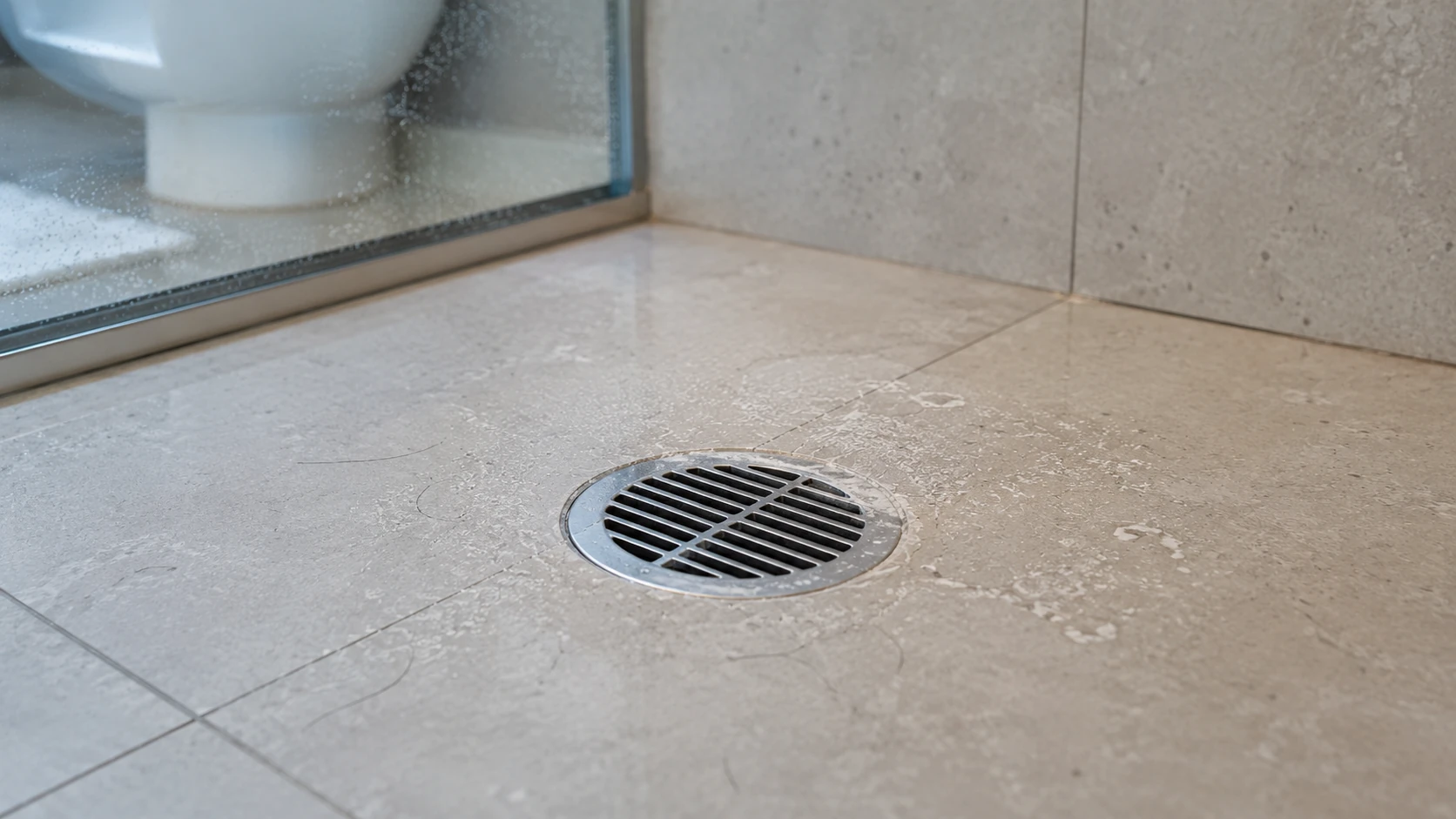
Not every bad smell from a bathroom drain indicates that sewer gas is entering the room. Hair, soap residue, body oils, skin cells and cosmetic products can collect close to the opening of a shower, bath or basin drain. As this material breaks down, bacteria can create a slimy build-up and an odour that resembles sewage.
This smell is often strongest directly above the drain opening. It may also become more noticeable when water runs through the fixture and disturbs the residue.
Start by checking the accessible area around the drain cover, strainer or basin stopper. Look for:
- hair caught beneath the drain cover or around the stopper
- a grey or brown film around the drain opening
- soap residue or other visible build-up
- water taking longer than usual to drain away
Accessible hair and residue can be removed from the drain cover or stopper using gloves and a suitable brush. Flushing the drain opening with hot, but not boiling, water may help remove loosened material.
Avoid pushing tools deep into the pipework or using harsh chemical drain cleaners. Cleaning visible residue close to the drain opening is different from attempting to clear a blockage further within the drainage system. If the smell remains after the accessible area has been cleaned, the source may be deeper within the pipework.
Pay Attention to Slow Drainage and Gurgling
A sewage-like smell combined with slow drainage is more concerning than an odour on its own. It may indicate that residue, hair or another obstruction has started to restrict the flow of wastewater.
Watch for signs such as:
- water pooling in the shower before slowly draining away
- a basin or bath taking longer than usual to empty
- a rising water level around a floor waste
- bubbling or gurgling sounds from the drain
- noises coming from a nearby drain when the toilet is flushed
- an odour that becomes stronger after the bathroom is used
Slow drainage can allow organic material and wastewater to remain within the pipe for longer, contributing to unpleasant smells. Gurgling may indicate that air is moving through the drainage system in an unusual way. This can occur when a blockage restricts the flow of water or when a venting issue affects the pressure within the pipes.
The location of the problem is not always directly beneath the affected drain. A partial blockage may sit further along the pipework or at a junction shared with another fixture. If the drainage issue persists, a plumber can assess whether professional cleaning or a more detailed inspection is required.
Where slow drainage, gurgling or unpleasant smells keep returning, it is also worth reviewing why drains keep blocking. Recurring problems can point to issues such as long-term build-up, incorrect pipe gradients, tree root intrusion or damaged pipework.
Watch for Repeated Clogs and Wastewater Backups
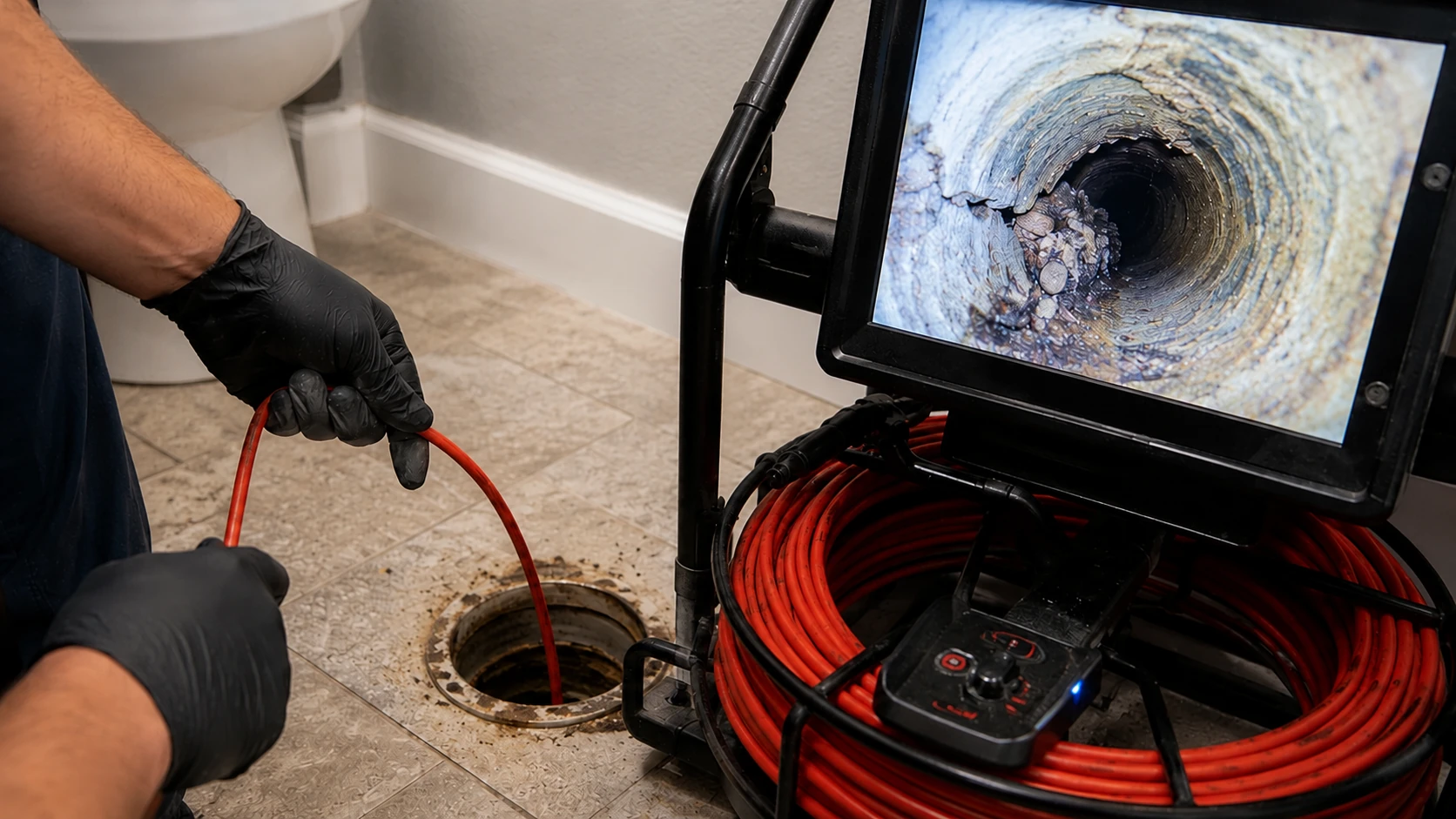
A drain that repeatedly becomes slow or begins to smell again shortly after the visible area has been cleaned may have a blockage deeper within the system. Debris can collect at a bend, junction or damaged section of pipework, gradually narrowing the path available for wastewater.
Repeated problems are important to investigate because they can become more disruptive over time. A drain that is only slightly slow at first may eventually stop flowing properly or begin to back up into another fixture.
Warning signs include:
- the same drain repeatedly becoming slow
- a smell returning shortly after the drain opening has been cleaned
- water rising in the shower or floor waste when another fixture is used
- wastewater appearing in one fixture when a nearby fixture is emptied
- several drains within the property becoming slow at the same time
- a stronger odour after a bath is emptied, a toilet is flushed or the washing machine drains
If wastewater is backing up through a shower, basin or floor waste, avoid contact with the affected water and arrange professional attention promptly. A shared drainage-line issue is not likely to be resolved by surface cleaning around one drain opening.
Where the same problem keeps returning, it may also be worth reviewing what a CCTV drain inspection can reveal about a blocked drain. A camera inspection can help identify whether a deeper blockage, damaged joint or structural pipe fault is contributing to the odour.
Urban Utilities advises property owners not to attempt to clear a suspected blockage themselves. If wastewater is backing up or the problem appears to be deeper within the drainage system, arrange an assessment by a licensed plumber or review Urban Utilities’ guidance on what to do about a blockage or sewage overflow.
Consider Whether a Venting Issue Is Affecting the Drain
A household drainage system does more than carry wastewater away from the property. It also needs to manage airflow. Vent pipes allow gases to escape safely outside and help maintain suitable pressure as water moves through the drainage system.
When the venting system is blocked, damaged or incorrectly installed, pressure changes can disturb the water seal within a drain trap. This may allow odours to enter the bathroom even when the drain opening appears clean.
Possible signs of a venting problem include:
- gurgling when a toilet is flushed
- recurring smells from more than one drain
- a water seal that repeatedly appears to dry out
- odours that become stronger when another fixture is used
- slow drainage that does not appear to be limited to one fixture
- problems that have developed after bathroom renovations or changes to the plumbing layout
A venting fault is not always visible from inside the bathroom. The smell may come and go depending on how much water is moving through the drainage system at the time.
Past renovations can sometimes contribute to the problem if a new fixture has not been connected or vented correctly. A licensed plumber can assess whether the odour is caused by restricted airflow, a blockage or another defect within the drainage system.
Check for Signs of Damaged Pipework or Failed Seals
Persistent sewage smells can also be caused by damaged pipework, loose joints or failed seals. Even a relatively small opening can allow odours to escape into a cupboard, wall cavity, floor space or surrounding bathroom area.
Potential problem areas include:
- the waste connection beneath a basin
- pipework concealed behind or beneath a bath
- waste pipes connected to a shower or floor waste
- the connection between the toilet and the drainage system
- pipe joints hidden within walls, floors or ceilings
Signs that may point to damaged pipework include:
- an odour that is strongest near one wall, cupboard or section of flooring
- visible moisture beneath a basin
- staining or residue around an exposed pipe connection
- swelling, softness or discolouration around a shower, bath or toilet
- damp patches or peeling paint on the ceiling beneath an upstairs bathroom
- an odour that persists even after the drain opening has been cleaned
- mould or moisture appearing without an obvious source
Exposed pipework beneath a basin can be checked visually for moisture, staining or obvious damage. Avoid dismantling the plumbing components. If there is evidence of a leak or failed connection, arrange an inspection by a licensed plumber.
Check Whether the Smell Is Coming From the Toilet
A sewage smell in a bathroom does not always come from the shower, bath or basin drain. The toilet waste connection should also be considered, particularly if the odour is strongest near the base of the toilet.
A damaged seal, loose fitting or issue with the waste connection can allow smells to enter the room. In some cases, there may also be visible moisture around the base of the toilet or changes in the flooring nearby.
Signs that the toilet may be contributing to the problem include:
- an odour concentrated around the base of the toilet
- moisture or staining on the floor nearby
- movement when the toilet is gently touched
- a smell that becomes stronger after flushing
- gurgling sounds or changes in the water level within the toilet bowl
A licensed plumber should inspect the toilet if the waste connection or seal appears to be affected. Attempting to remove or reseat the toilet without the appropriate experience can create further problems.
Consider Whether Heavy Rain Is Contributing to the Problem
A sewage smell that appears or becomes stronger after heavy rain should also be investigated. Stormwater and sewerage systems are separate networks, but wet weather can place pressure on parts of the broader wastewater system and contribute to overflow issues.
Within the property, heavy rain may also draw attention to an existing drainage fault that was less noticeable during dry weather. A recurring odour after storms may be accompanied by slow drainage, gurgling, wastewater backups or water appearing around a floor waste.
If wastewater is coming from a sewer maintenance hole on or near the property, contact Urban Utilities. If the problem appears to be within the property plumbing, arrange an inspection by a licensed plumber.
When Should a Plumber Inspect the Drain?
A brief odour from a rarely used drain may improve once the water seal has been restored. Visible hair and soap residue around an accessible drain opening can also sometimes be removed without further work.
However, recurring sewage-like smells should not be treated as a minor inconvenience. A professional inspection is appropriate when the smell persists, returns regularly or is accompanied by other warning signs.
Arrange an inspection if:
- the odour returns soon after running water into the drain
- the smell continues after accessible surface build-up has been removed
- the drain is slow, bubbling or gurgling
- several fixtures appear to be affected
- wastewater rises into a shower, basin or floor waste
- water appears in one fixture when another fixture is used
- the smell is strongest around the toilet or a concealed section of pipework
- there are signs of moisture, staining or water damage
- the issue becomes worse after heavy rain
- the problem began after a renovation or change to the plumbing layout
In Queensland, unblocking or repairing pipes is regulated plumbing and drainage work that must be completed by a licensed plumber or drainer. The QBCC provides further information about when Queensland homeowners need a licensed plumber.
Strong and persistent sewage smells should also be taken seriously if anyone in the home experiences irritation, headaches or nausea while the odour is present. Ventilate the bathroom, avoid using affected fixtures if wastewater is backing up and arrange an inspection. Seek medical advice if symptoms persist or are concerning.
Address the Source of the Sewage Smell
Air fresheners and surface cleaning may temporarily reduce an unpleasant odour, but they will not correct a drain trap that repeatedly loses its water seal, a blockage deeper within the pipework, a venting defect or a damaged waste connection.
The most appropriate response depends on the symptoms. Running water into a rarely used drain and removing visible build-up close to the opening may resolve a minor issue. However, recurring smells, slow drainage, gurgling, water damage and wastewater backups point to a problem requiring professional assessment.
Plumbing Inspectors can investigate the cause of unusual bathroom drain smells and provide the appropriate solution where a blockage, damaged pipework or another plumbing fault is affecting the property.

.webp)