

What Should You Do When a Burst Pipe Affects More Than One Apartment?
When a burst pipe affects multiple apartments, the consequences can extend well beyond the unit where the leak first appears. Water may travel through shared walls, ceilings, service risers and common areas, causing visible damage as well as hidden plumbing damage that is not immediately obvious. It can also create electrical hazards, access issues and significant disruption for residents.
Fast action by occupants, building managers, body corporate representatives and emergency plumbers in Brisbane is essential. The immediate priorities are to keep people safe, stop the water flow, limit the spread of damage and arrange a professional inspection.
With the help of Plumbing Inspectors, this article outlines the steps to take when a burst pipe impacts more than one apartment. It explains how to isolate the water supply, communicate with residents, coordinate emergency repairs, determine who may be responsible for the damaged pipe and identify hidden moisture after the visible leak has been repaired.
Respond Immediately and Prioritise Safety
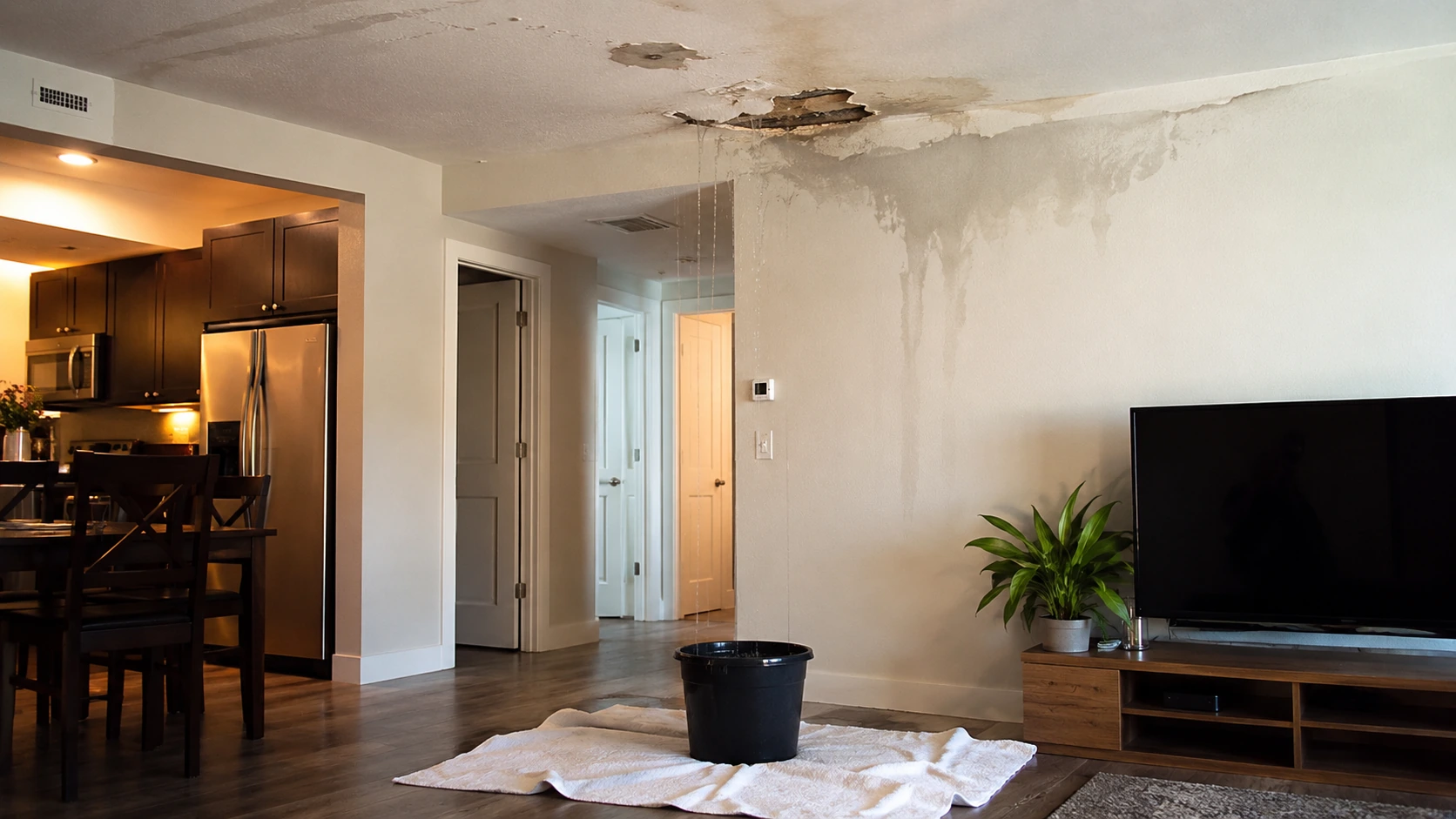
When water is flowing through multiple apartments, the first few minutes matter. A prompt and coordinated response can limit damage to walls, flooring, ceilings, electrical fittings and shared building areas. Knowing what to do when a pipe bursts can also help residents take practical steps while waiting for an emergency plumber to arrive.
Before attempting to locate the leak or move belongings, residents should check for immediate hazards. Water near power points, light fittings, switchboards, lifts, fire alarm equipment or other electrical systems should be treated as potentially dangerous. Residents should avoid standing water, wet surfaces and metal objects until the area has been assessed.
Any corridor, stairwell or apartment with pooling water, sagging ceilings or loose plaster should be cleared until qualified personnel confirm it is safe to enter. Where necessary, temporary signage, barriers or staff supervision can help prevent slips, falls and accidental access.
Residents who may need additional assistance, including older people, people with mobility issues and families with young children, should receive direct communication rather than relying solely on general building notices.
Identify the Source and Isolate the Water Supply
Once immediate safety concerns have been addressed, the next priority is to stop the water flow. The longer a burst pipe continues to run, the more likely it is that moisture will spread into neighbouring apartments, common areas and concealed cavities.
In multi-unit buildings, plumbing systems are interconnected. A break in one location may appear as staining, dripping or flooding in several apartments. Determining whether the issue is confined to one unit or involves a shared pipe helps identify which valve should be closed and who needs to coordinate the response.
Confirm the Extent of the Leak
Start by checking where water is visible and which apartments are affected. A shared supply pipe or riser may be involved when:
- water appears in apartments positioned directly above or below each other
- moisture is tracking along a common wall or service shaft
- water is entering hallways, stairwells or other shared areas
- staining appears on ceilings across multiple floors
- several residents report a sudden drop in water pressure
A leak affecting only one apartment may still cause damage elsewhere, particularly if water travels through the floor or wall cavity. However, widespread water damage across several units often indicates a problem with a shared line or a pipe located within a common building element.
Locate the Appropriate Isolation Valve
Apartment buildings may have several levels of water isolation, including:
- fixture valves beneath sinks or beside toilets and washing machines
- unit isolation valves located near a hot water system, utility cupboard or access panel
- floor or zone valves located in service cupboards or riser rooms
- building main valves located near the water meter or within a plant room
Where building plans, valve labels or maintenance records are available, they should be checked before shutting down a larger section of the building. This helps avoid unnecessary disruption and reduces the risk of interfering with unrelated systems.
Residents should not enter flooded areas or access valves near electrical hazards. Where the valve configuration is unclear or the area is unsafe, the building manager or body corporate representative should arrange for a licensed plumber or other qualified person to isolate the supply.
If a smaller section cannot be safely isolated, shutting off the main domestic water supply may be necessary until the source can be confirmed.
Limit the Spread of Water Damage
Stopping the water flow is only the first stage. Water that has already escaped can continue to spread through wall cavities, ceiling voids, flooring and shared service penetrations.
Once the affected area has been confirmed as electrically safe, trained personnel can begin removing standing water using appropriate extraction equipment. Water entering lift pits, electrical rooms, plant rooms or fire safety systems should be reported immediately and managed by qualified contractors.
Water commonly travels through:
- ceiling cavities above kitchens and bathrooms
- wall cavities and shared service risers
- gaps around pipe penetrations
- flooring, skirting boards and built-in cabinetry
- stairwells, hallways and common areas
Apartments below and beside the visible leak should be checked promptly, even if there are no immediate signs of damage. Residents should report new damp patches, ceiling stains, bubbling paint or lifting floorboards as soon as they appear.
Notify the Body Corporate Manager and Affected Residents
Prompt communication helps limit confusion, supports emergency access and creates a clear record for repair and insurance purposes. Once the water flow has been controlled and immediate hazards have been addressed, the body corporate manager or building manager should be contacted.
Provide Clear Information About the Incident
Initial communication should include:
- the building address
- the affected apartment numbers and common areas
- the location of the visible leak
- where the water appears to be travelling
- the time the problem was first noticed
- any isolation valves that have already been closed
- any safety concerns, such as water near electrical fittings or sagging ceilings
A brief written follow-up should be sent after any phone conversation. Photos and videos can also help document the extent of the issue before drying and repairs begin.
The body corporate manager or building manager may need to arrange access to locked plant rooms, service cupboards, risers and neighbouring apartments. They can also notify the body corporate committee and coordinate any work involving common property.
Notify Adjacent Apartments
Residents in apartments above, below and beside the affected area should be notified, even if they cannot see water inside their property. Moisture may travel behind wall linings or beneath flooring before visible signs appear.
Residents should be asked to:
- move belongings away from damp walls and wet areas
- avoid corridors or lifts affected by pooling water
- report stains, dampness or unusual odours promptly
- photograph visible damage
- retain receipts for urgent expenses relating to the incident
Tenants should also notify their property manager, owner or nominated emergency repair contact as soon as possible. In Queensland, a burst water service or serious water service leak is treated as an emergency repair.
Arrange an Emergency Plumbing Inspection
An emergency plumbing inspection is necessary when a burst pipe affects multiple apartments. The purpose is not only to repair the failed section but also to identify the precise location of the leak, assess the surrounding pipework and determine whether the issue involves a shared line or a pipe servicing one apartment.
Most regulated plumbing and drainage work in Queensland must be performed by an appropriately licensed plumber or drainer.
Provide the Plumber With Relevant Information
When booking the inspection, explain that multiple apartments may be affected and that urgent attendance is required. Provide:
- a list of the apartments and common areas showing damage
- the location where water was first noticed
- details of any valves that have been closed
- available building plans or plumbing diagrams
- contact details for the person coordinating access
Where possible, one contact person should coordinate the plumber’s access and receive updates. This reduces delays and avoids conflicting instructions from multiple residents.
Check Adjacent Areas and Shared Services
The inspection should not be limited to the apartment with the most obvious water damage. Water may follow pipe runs, service penetrations and structural elements before appearing elsewhere.
The plumber may need access to:
- apartments above and below the visible leak
- neighbouring units
- ceiling cavities
- service risers
- plant rooms
- roof spaces
- balconies or external service areas
Depending on the circumstances, the plumber may use pressure testing equipment, moisture meters or thermal imaging to help identify concealed problems.
Document the Damage and Repair Findings
Clear records support communication between owners, tenants, body corporate representatives, plumbers, restoration contractors and insurers. Documentation is particularly important where water has affected more than one property or where responsibility for repairs has not yet been confirmed.
Records should include:
- the date and time the leak was discovered
- the apartments and common areas affected
- photos and videos taken before and after emergency work
- the valves that were isolated
- the location and cause of the failed pipe
- temporary repairs completed
- plumbing reports
- moisture readings
- drying and restoration works
- invoices and receipts for urgent expenses
The plumber should be asked to prepare a written report describing the failure point, the likely cause and whether the damaged pipe appears to be part of a shared system or services a single apartment.
Arrange Water Extraction and Drying Works
Repairing the failed pipe does not remove moisture that has already entered walls, ceilings, flooring or shared cavities. Drying works should begin promptly to reduce the risk of mould growth, damaged finishes and deterioration of building materials.
Depending on the extent of the water damage, professional restoration work may include:
- water extraction
- moisture testing
- dehumidifiers
- air movers
- targeted removal of damaged plasterboard or skirting
- drying of flooring and wall cavities
- repeat moisture readings over several days or weeks
Building materials should be allowed to dry properly before surfaces are repaired, repainted or enclosed. Closing damp cavities too early can conceal ongoing moisture problems and lead to further damage.
Determine Whether the Damaged Pipe Is Shared or Within an Individual Lot
Responsibility for repairs should not be assumed simply because the leak appeared inside one apartment. In a Queensland body corporate, responsibility for utility infrastructure generally depends on where the pipe is located and which lots it services.
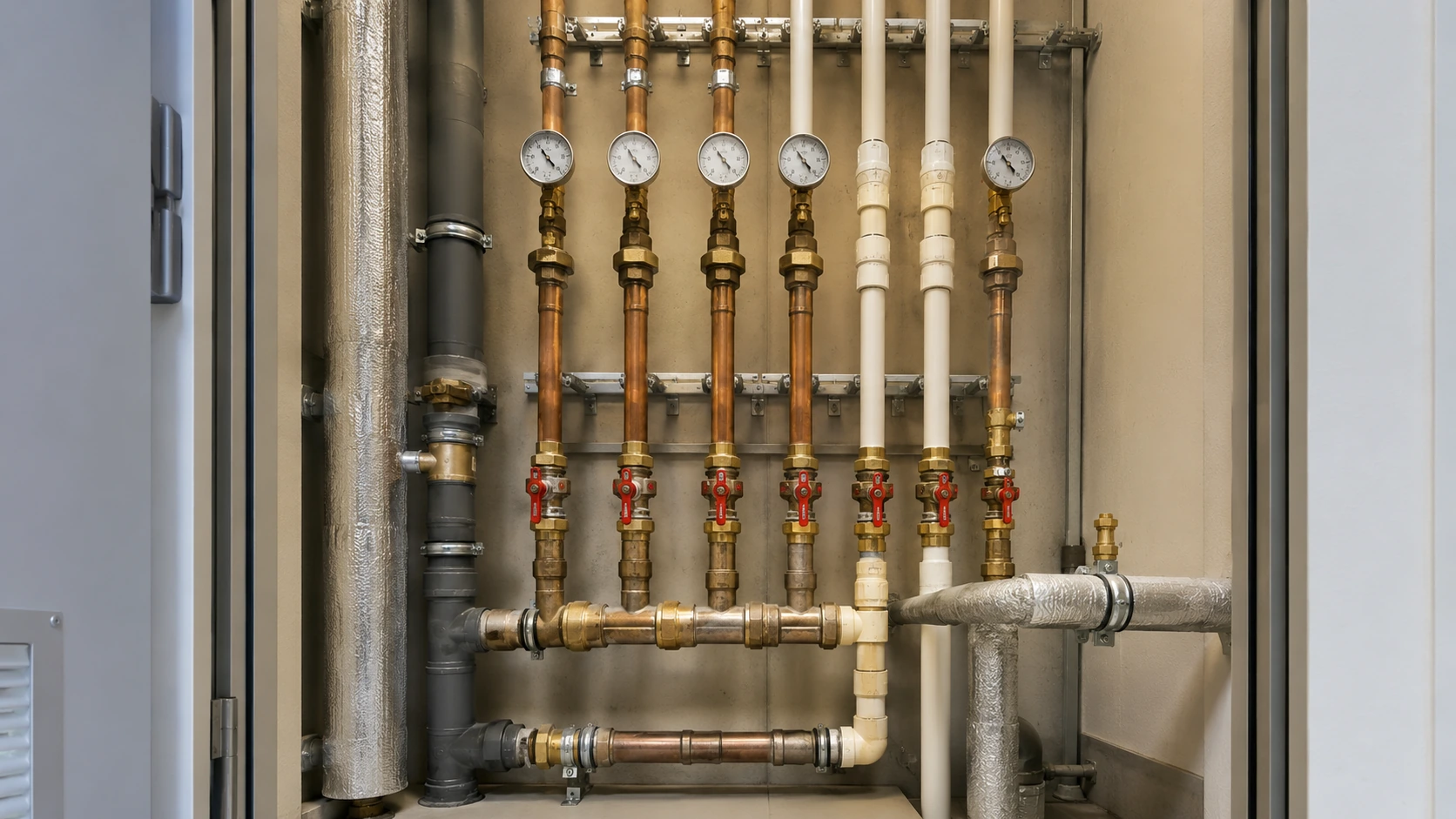
Pipes that service multiple apartments or form part of common property are commonly a body corporate responsibility. Pipework that services only one apartment may be the lot owner’s responsibility. However, the building plan, the location of the failure and the circumstances of the incident should be checked before responsibility is determined.
Review the Building Plan
The registered plan can help clarify the boundaries between private lots and common property. Plumbing diagrams and building plans may provide additional information about:
- vertical risers
- shared supply lines
- wastewater stacks
- branch connections
- plant rooms
- service cupboards
- common wall and ceiling cavities
A burst pipe near a shared riser or a line servicing several apartments is more likely to involve the body corporate. A failed hose connected to an appliance or pipework servicing only one apartment may be the responsibility of the lot owner or occupant, depending on the circumstances.
Where responsibility is unclear, the body corporate manager, insurer and relevant professionals should review the available evidence before repairs are allocated.
Check for Hidden Water Damage After Repairs
Even when the visible leak has been repaired and surfaces appear dry, moisture may remain trapped behind walls, beneath flooring or above ceilings. A structured follow-up inspection helps identify secondary damage before it becomes more difficult to manage.
Inspect Walls, Ceilings and Floors
Apartments above, below and beside the original leak should be checked for:
- bubbling, rippling or peeling paint
- stains that darken or expand over time
- soft plasterboard
- crumbling edges near skirting boards
- sagging ceilings
- new shadows or staining around light fittings
- lifting or buckling flooring
- separated laminate or timber floor joints
- damp carpet
- swollen cabinetry
Ceilings below the damaged pipe require particular attention. Moisture can pool above plasterboard before visible staining develops.
Use Moisture Detection Equipment
Visual checks alone may not be sufficient after a significant multi-apartment leak. A qualified restoration contractor or building inspector may use moisture meters and thermal imaging to locate damp areas inside walls, beneath tiles and within ceiling cavities.
If readings remain high after initial drying, small sections of plasterboard, skirting or other finishes may need to be removed to improve airflow and allow further assessment.
Concrete slabs and masonry walls can take time to dry. Follow-up testing may be required before restoration works are completed.
Monitor for Mould and Secondary Damage
Residents and building managers should continue to monitor affected areas after repairs. Warning signs may include:
- persistent musty odours
- grey or black spotting
- visible mould growth
- recurring stains
- condensation in one part of an apartment
- dampness inside wardrobes or behind furniture
- flooring that continues to lift or warp
Surface cleaning alone may not resolve mould growth if damp materials remain behind walls or beneath flooring. Where mould is suspected, professional assessment can determine whether further drying or removal of damaged materials is required.
A Coordinated Response Reduces Further Damage
A burst pipe affecting multiple apartments requires a structured response from the moment the issue is discovered. Water must be isolated quickly, residents must be protected from safety hazards and neighbouring apartments should be checked even when damage is not immediately visible.
Professional plumbing inspection, clear documentation and appropriate drying works help identify the cause of the leak and reduce the risk of ongoing moisture problems. It is also important to establish whether the damaged pipe is part of common property or services an individual apartment, as this can influence repair responsibilities and insurance processes.
When several units are affected, early coordination between residents, body corporate representatives, building managers and licensed plumbers makes it easier to restore the building safely and minimise further disruption.

.webp)