

Hidden Plumbing Risks Homeowners Often Miss (Until Water Damage Occurs)
Hidden plumbing risks are slow-developing issues inside your home’s water and drainage system that often go unnoticed until leaks, mould or structural damage suddenly appear. From our experience at Plumbing Inspectors, proactive awareness is one of the most effective ways to avoid major repairs.
This article is for homeowners, landlords and property managers who want to protect their homes from costly and disruptive water damage. It matters because many plumbing failures are not sudden emergencies but the result of small, ignored issues that quietly worsen over time.
You will learn why plumbing problems stay hidden, where risks commonly develop, the early warning signs to watch for, how lifestyle changes affect plumbing and practical steps to reduce long-term damage.
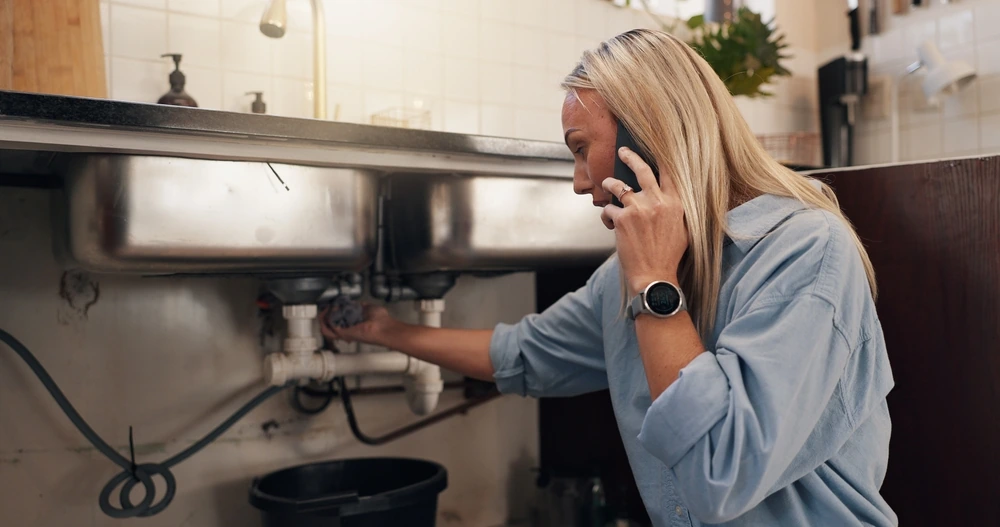
Why Plumbing Problems Often Go Unnoticed
Plumbing systems are designed to operate silently in the background, which makes early problems easy to miss. Pipes are hidden behind walls, under floors and in roof cavities, allowing minor leaks or pressure issues to develop without obvious symptoms. By the time visible damage appears, the underlying issue is often well established.
In Australian homes, construction methods, slab foundations and climate conditions can further conceal plumbing problems. Seasonal humidity, temperature fluctuations and soil movement all contribute to gradual pipe stress that rarely announces itself clearly at first.
How Slow-Developing Plumbing Issues Differ from Sudden Failures
Slow plumbing issues develop gradually and rarely cause immediate disruption. Because water continues to flow and drains still work, homeowners assume everything is fine.
What these typically have in common:
- Minor leaks that evaporate before pooling are noticed
- Gradual joint loosening rather than pipe bursts
- Moisture build-up without visible dripping
Because these problems develop quietly, they often cause far more damage before being detected. Early awareness is critical, as slow leaks can be more destructive than obvious bursts over time.
Why Plumbing Risks Often Stay Hidden Behind Walls and Floors
Most plumbing is intentionally concealed for safety and aesthetics. This design choice makes visual detection difficult without targeted inspection.
Hidden risk factors include:
- Pipes running through wall cavities and concrete slabs
- Waterproofing layers masking slow seepage
- Insulation absorbing moisture without obvious staining
Out-of-sight plumbing allows moisture damage to spread unnoticed. By the time surfaces show signs, repairs are usually more extensive and costly.
The Role of Australian Building Designs in Concealing Leaks
Many Australian homes use slab-on-ground construction, which can hide leaks beneath flooring. Timber framing can also absorb moisture without showing early surface damage.
Beware of these design-related challenges:
- Subfloor leaks are spreading laterally before surfacing
- Roof space plumbing dripping onto insulation
- Minimal access panels in older homes
Slab foundations and concealed framing, common in homes, can hide leaks for long periods. This makes early detection and regular inspections important.
Why Homeowners Assume Plumbing Is “Fine” Until It Isn’t
Plumbing issues rarely interrupt daily routines at first. This creates a false sense of security that delays action.
Common assumptions:
- No visible water means no leak
- Minor changes are just ageing
- Problems will be obvious when serious
Plumbing problems rarely disrupt daily routines at first, creating a false sense of security. Unfortunately, this delay often leads to emergency repairs later.
Common Hidden Plumbing Risk Areas Inside the Home
Certain areas of the home experience constant water exposure while remaining largely hidden from view. These locations are more vulnerable to slow leaks, pressure stress and material wear that develop without obvious symptoms.
Understanding where these risk zones exist allows homeowners to monitor them more effectively. Focusing attention on known problem areas reduces the likelihood of unexpected water damage.
Ageing Pipes, Joints and Fittings
As plumbing materials age, they lose flexibility and strength. Older metal pipes can corrode internally long before leaks appear externally.
Ageing-related risks typically involve:
- Corrosion thins pipe walls
- Brittle joints are cracking under minor movement
- Seal degradation around fittings
As materials deteriorate, even small weaknesses can lead to leaks under normal use. Proactive replacement reduces the risk of sudden failures and water damage.
Pressure Stress and Water Hammer Effects
Water pressure that is too high places constant strain on pipes and fixtures. Water hammer causes repeated shock waves inside the system.
Pressure-related issues include:
- Gradual loosening of joints
- Increased risk of pinhole leaks
- Premature appliance failure
Ongoing pressure stress weakens plumbing, even if no leaks are visible. Managing pressure early helps extend the life of pipes and fittings.
Under-Sink and Vanity Plumbing Connections
Cabinet plumbing is often out of sight and out of mind. Small leaks here can go unnoticed for months.
Risk indicators could be:
- Swollen cabinet bases
- Musty smells inside cupboards
- Rust or mineral build-up on fittings
Remember that regular checks in these areas can prevent cabinet and flooring damage.
Roof Space and External Wall Pipework
Pipes running through roof cavities and external walls are exposed to temperature extremes. Expansion and contraction accelerate wear.
Learn about these common problems:
- Drips soaking insulation
- Hidden mould growth
- Timber damage before ceiling stains appear
Temperature exposure accelerates pipe wear in these locations. Early intervention prevents insulation damage and hidden mould growth.
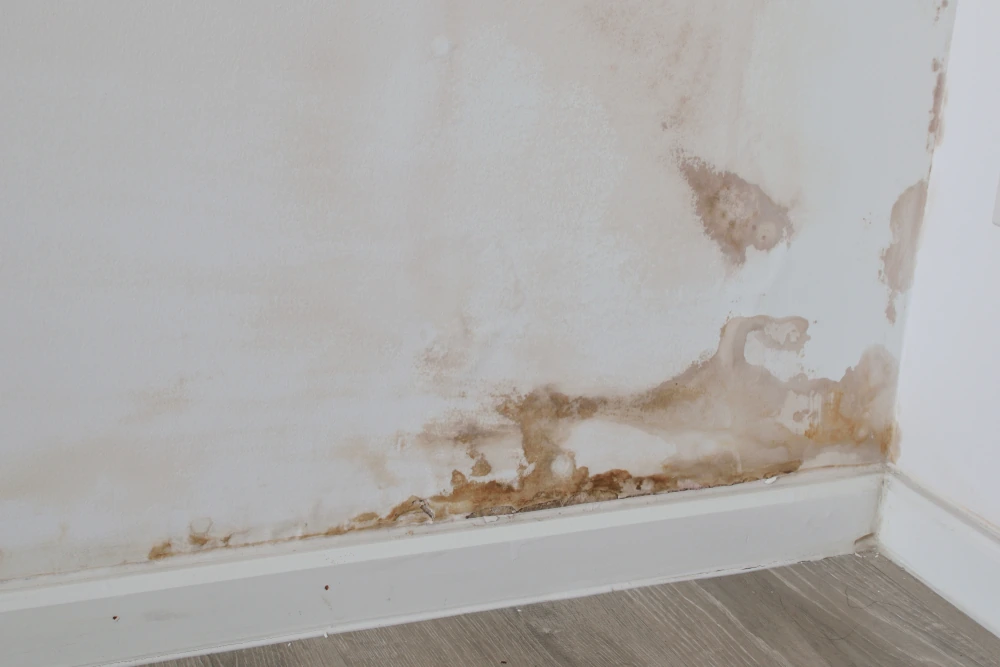
Early Warning Signs of Developing Water Damage
Water damage rarely appears without subtle clues first. These early signs are easy to dismiss because they do not immediately affect daily comfort or functionality.
Recognising minor changes early allows homeowners to address issues before damage spreads. In many cases, early intervention prevents the need for emergency plumbers in Brisbane during sudden failures.
Subtle Changes Homeowners Often Dismiss
Small visual or sensory changes often signal developing plumbing problems. These signs are commonly overlooked.
Here are some identifying risks:
- Slight wall discolouration
- Faint, damp or earthy odours
- Flaking paint near wet areas
Minor visual or sensory changes are often the first warning signs of plumbing trouble. Acting early can prevent structural damage.
How Moisture Issues Escalate Over Time
Moisture rarely stays contained. Once present, it spreads through materials and creates secondary problems.
Escalation-driven impacts are:
- Mould growth behind walls
- Timber rot and swelling
- Increased repair scope and cost
Once moisture is present, it rarely stays contained. Delayed action allows damage to spread and repair costs to rise quickly.
Flooring and Skirting Board Warning Signals
Water often travels along floors before becoming visible. Skirting boards act as early indicators.
Watch for these signs:
- Lifting floorboards
- Warped laminate
- Soft or crumbling skirting edges
Flooring and skirting boards often reveal water damage before walls do. These signs should never be ignored, even if the area feels dry.
Unexplained Increases in Water Bills
Higher water usage without lifestyle changes can indicate hidden leaks. This is one of the most reliable early warning signs.
Things to watch out for:
- Gradual bill increases
- Metre movement when taps are off
- Seasonal spikes without explanation
Rising water bills are often one of the earliest indicators of hidden leaks. Investigating early can prevent ongoing water loss and damage.
How Household Use and Renovations Can Increase Plumbing Risk
Modern households place higher demands on plumbing systems than many homes were originally designed to handle. Increased usage places ongoing stress on pipes, joints and fittings, especially in older properties.
Renovations can further complicate this by altering layouts or adding fixtures without upgrading supporting infrastructure. These changes often introduce hidden stress points that only surface after damage has already occurred.
I
ncreased Water Demand from Modern Fixtures and Appliances
Today’s homes use more water than ever before. Multiple appliances running together strain older systems.
Common contributors are the following:
- High-flow showers
- Dishwashers and washing machines running concurrently
- Outdoor irrigation systems
Modern lifestyles place greater strain on older plumbing systems. Without upgrades, this increased demand can accelerate hidden failures.
Renovation Changes That Strain Existing Plumbing Systems
Renovations often reuse old pipes while adding new fixtures. This mismatch increases failure risk.
Here are some typical renovation-related issues:
- Extended pipe runs increase pressure loss
- Inadequate pipe sizing
- Poorly integrated new connections
Renovations can unintentionally overload existing pipes. Aligning plumbing upgrades with renovations helps avoid future problems.
DIY Modifications and Unlicensed Plumbing Work
Unapproved plumbing changes often hide behind walls until problems emerge. Small shortcuts can lead to major failures.
Identified risks are:
- Incorrect joint sealing
- Unsupported pipe runs
- Non-compliant materials
Poor-quality plumbing work often fails quietly before causing visible damage. Compliance and professional installation protect both the home and its occupants.
Outdoor Plumbing Changes Affecting Indoor Systems
External plumbing modifications can impact internal pressure balance. These effects are often overlooked.
Check these examples:
- New outdoor taps altering pressure
- Pool connections are stressing supply lines
- Stormwater interactions with drainage systems
External plumbing adjustments can disrupt internal pressure balance. Small outdoor changes can have widespread effects inside the home.
Practical Steps Homeowners Can Take to Reduce Plumbing Risk
Reducing plumbing risk does not require constant monitoring, but it does rely on consistency and awareness. Simple habits and informed decisions help identify issues early and prevent escalation.
Combining basic checks with professional input creates a balanced approach to plumbing maintenance. This proactive mindset is far more effective than reacting to problems after damage becomes unavoidable.
Simple Visual Checks and Ongoing Maintenance Habits
Routine observation helps catch issues early. These checks require little time but offer high value.
Useful habits include:
- Inspecting cupboards under sinks
- Checking walls near wet areas
- Monitoring water metre readings
Regular visual checks catch problems before they escalate. Consistency matters more than complexity when it comes to prevention.
When Monitoring, Upgrades or Inspections Make Sense
Some risks require professional assessment rather than guesswork. Knowing when to act prevents escalation.
Situations that justify inspection:
- Homes over 20 years old
- Repeated minor plumbing issues
- Renovation planning stages
Some plumbing risks are not visible without proper tools. Knowing when to seek professional assessment prevents guesswork and unnecessary damage.
Using Water Pressure Regulation and Leak Detection
Pressure control reduces long-term stress on pipes. Leak detection technology offers early alerts.
Practical options to consider:
- Pressure limiting valves
- Smart leak detectors
- Regular pressure testing
Pressure control and early alerts significantly reduce long-term plumbing stress. These tools offer peace of mind and faster response times.
Planning Preventive Maintenance Instead of Reactive Repairs
Waiting for failure is costly and disruptive. Planned maintenance provides predictability.
Preventive benefits include:
- Lower repair costs
- Reduced emergency call-outs
- Extended plumbing lifespan
Preventive maintenance reduces unexpected failures and emergency call-outs. Long-term planning is always more cost-effective than urgent repairs.
Hidden plumbing risks are rarely dramatic at first, but they are one of the most common causes of unexpected water damage in Australian homes. By understanding where issues develop, recognising early warning signs and adjusting how plumbing systems are monitored and maintained, homeowners can avoid major disruption and expense. Here at Plumbing Inspectors, we conduct proactive inspections and make informed decisions to leconsistently prevent small issues from becoming large, costly plumbing emergencies.

.webp)