

What Counts as a Plumbing Emergency in Brisbane?
Plumbing emergencies rarely happen at convenient times and, in Brisbane conditions, even a small issue can quickly escalate into major property damage or a serious health risk. Understanding what qualifies as a genuine emergency helps property owners, tenants and managers respond quickly, protect building structures and avoid unnecessary after-hours costs when contacting an emergency plumber in Brisbane.
Plumbing Inspectors explains the difference between plumbing problems that require urgent professional attention and those that can usually wait until standard business hours. It also outlines the warning signs that should never be ignored, the temporary safety steps that can reduce damage before a plumber arrives and how Brisbane’s climate and housing conditions can make plumbing faults more severe.
What Counts as a Plumbing Emergency?
A plumbing emergency is any problem that creates an immediate risk to health, safety, sanitation or property if not attended to straight away. In Brisbane, this often involves uncontrolled water flow, sewage overflow, gas-related concerns or a fault that affects essential services such as hot water, drainage or water supply.
The key question is whether the issue can be safely isolated and managed until normal business hours. If waiting is likely to cause damage, expose occupants to contamination, affect electrical safety or leave the property without safe water or sanitation, the situation should be treated as an emergency.
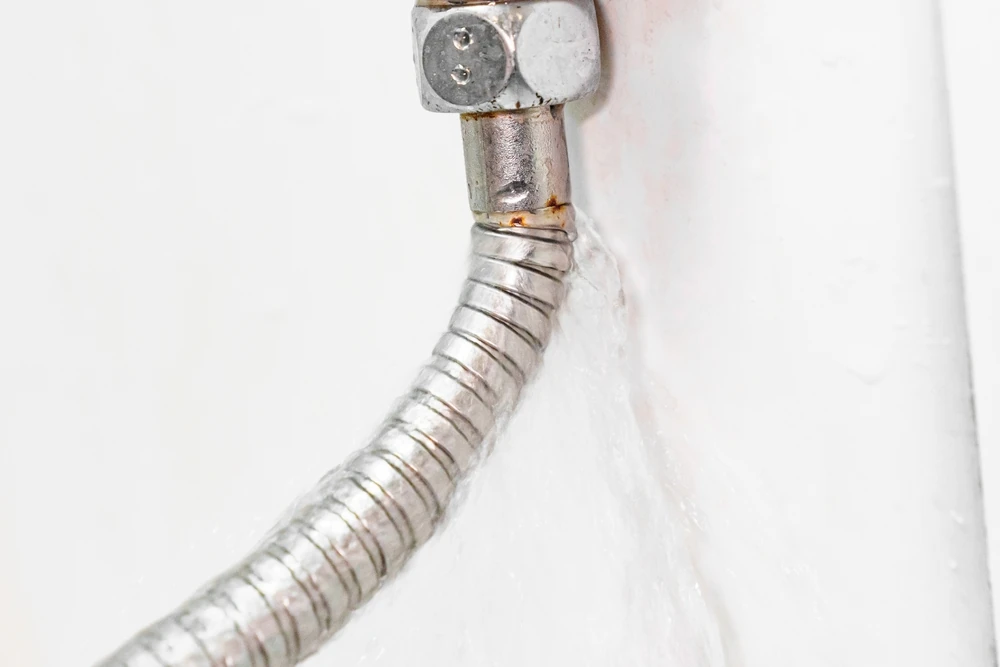
Situations That Are Clearly Plumbing Emergencies
Some plumbing problems almost always require an urgent response, including:
- Burst pipes with water actively flowing
- Sewage backing up into toilets, showers or floor wastes
- A completely blocked main drain where no fixtures in the property can drain
- Gas leaks or strong gas smells from appliances or pipework
- Major roof, gutter or stormwater leaks causing water ingress during storms
These situations can rapidly damage walls, floors, ceilings and electrical systems or create serious health risks. Any suspected gas leak or sewage overflow should be treated as urgent and should not be left until the next day.
Borderline Emergencies That Depend On Severity
Other issues may or may not be emergencies depending on scale, household needs and whether there is a safe workaround. Loss of hot water can be an emergency for households with infants, elderly occupants or people with medical needs, but less urgent for others if cold water remains available. A slow leak from a pipe or tap may become an emergency if it cannot be contained with a shut-off valve, bucket or towels, or if it is near electrical fittings.
Partial blockages where at least one toilet and one drain still function may be able to wait if affected fixtures are not used until repairs are carried out. However, if water levels keep rising in a toilet or floor waste, wastewater starts overflowing, or a strong sewage odour spreads through the property, the situation moves into emergency territory.
When to Call Immediately in Brisbane Conditions
Properties can be particularly vulnerable during heavy rain and storms. Any plumbing fault that coincides with intense rainfall, such as overflowing gutters, roof leaks into ceilings or stormwater pits backing up towards the house, can escalate quickly and should be treated as urgent. If water is entering light fittings, power points or appliances, emergency electrical assistance may also be required.
A plumbing issue counts as an emergency when it cannot be safely isolated or contained and when delay is likely to worsen damage or compromise health. If there is uncertainty, it is safer to treat the problem as urgent and seek professional advice by phone to confirm the level of risk.
Plumbing Issues That Are Urgent but Can Usually Wait
Some plumbing problems feel stressful but do not always justify the cost of calling a 24/7 emergency plumber. These issues can usually wait until normal business hours, provided they are controlled, monitored and booked in promptly. The priority is to reduce immediate risk rather than ignore the problem.
If the situation does not involve active flooding, electrical risk, sewage overflow, gas concerns or loss of all water supply, it often falls into this “urgent but not instant” category.
Slow Leaks and Minor Drips
Taps that drip constantly or visible but slow leaks under a sink or vanity are urgent because they can cause water damage, mould, rot and higher water bills. However, if the flow is minor and can be contained, they generally do not require a middle-of-the-night callout.
Turn off the local isolation valve under the basin, sink or toilet if accessible. If there is no local valve and the drip is manageable, place a bucket or tray under the leak, protect nearby cabinetry with towels and avoid using that fixture until a plumber can attend.
Partially Blocked Fixtures
A slow-draining shower, basin or kitchen sink is unpleasant but not always an emergency. If wastewater is still moving away, even slowly, and there is no sewage smell or overflow inside the property, the situation can usually wait until standard hours.
Homeowners can reduce the risk of the blockage worsening by:
- Avoiding use of the affected fixture where possible
- Not tipping grease, food scraps or wipes into any drain
- Checking and cleaning visible hair or debris from grates and traps
In older suburbs, partial blockages can indicate tree root intrusion, ageing pipes or debris buildup. The issue is urgent because it can progress to a full blockage, but it rarely justifies an after-hours call unless toilets begin backing up or wastewater overflows inside.
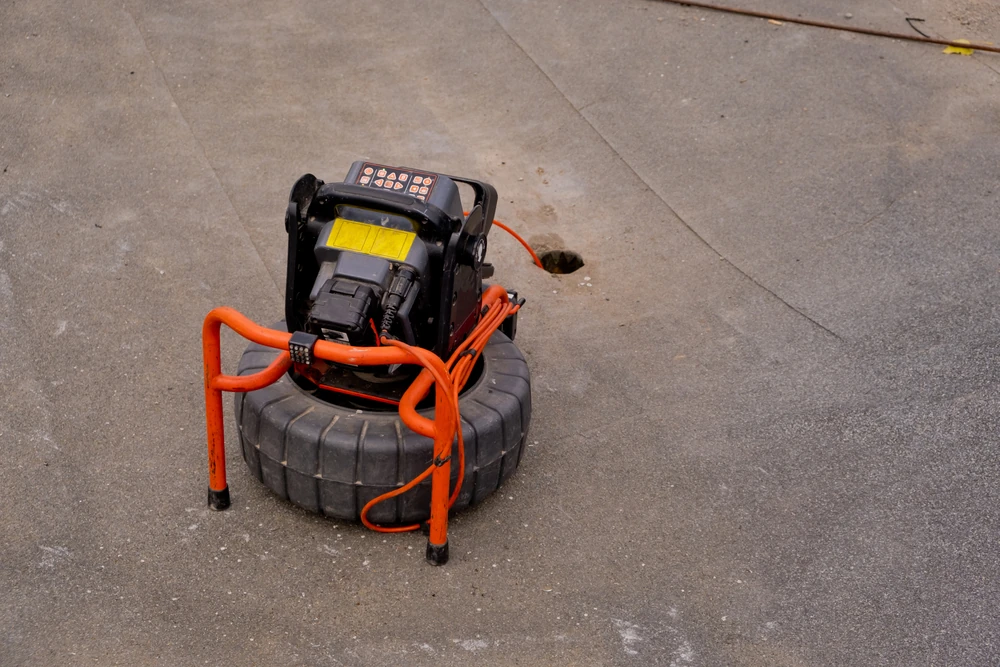
Single Non-Flushing Toilet with Alternatives Available
A toilet that will not flush or refill is disruptive but not always a true emergency if there is another working toilet on the property. Turn off the isolation tap beside the toilet to prevent continual running or refilling and avoid using that toilet until it is repaired.
If water is running continuously into the bowl or cistern, use the isolation tap to stop the flow. This helps limit water waste and reduces the risk of overflow.
A same-day or next-day appointment is usually appropriate. It becomes an emergency if it is the only toilet in the home, there is sewage backup, or water cannot be stopped.
What to Do Before an Emergency Plumber Arrives
The time between calling an emergency plumber and their arrival is important. The right actions can protect people, reduce water damage and prevent smaller issues from turning into costly repairs. This is especially relevant in homes with older pipework, high water pressure or plumbing faults that occur during storms.
The following steps focus on safety first, then damage control. They apply to common Brisbane plumbing emergencies such as burst pipes, overflowing toilets, gas leaks and major leaks from hot water systems.
Turn Off Water or Gas at the Source
For any burst pipe, leaking flexi-hose, overflowing fixture or failed hot water system, the priority is to stop or slow the flow.
If the exact source is obvious and accessible, such as a leaking toilet or single mixer tap, use the isolation valve on that fixture. These are usually small chrome or brass taps located under basins, behind toilets or in the cupboard below sinks. Turn the valve clockwise until firm to stop water from that point.
If the leak is severe or the isolation valve cannot be found, go straight to the water meter. This is usually located near the front boundary in a rectangular or round box. Lift the lid and turn the main stop tap clockwise until it stops. This shuts off water to the entire property and should be done for major bursts, ceiling leaks or situations where water is entering electrical areas.
For any suspected gas leak, turn off the gas supply if it is safe to do so, avoid using electrical switches or open flames and leave the area before seeking urgent assistance.
Make the Area Safe and Protect Property
Once the source is controlled, focus on safety and limiting damage. This is especially important in multi-level homes, where water can travel into lower rooms, units or garages.
Keep people, children and pets away from flooded or contaminated areas. If water has reached power points, appliances or light fittings, avoid touching anything electrical. Where safe, switch off affected circuits at the switchboard rather than at the power point.
Remove valuable furniture and soft furnishings from wet areas. Place aluminium foil or plastic under furniture legs that cannot be moved to limit water staining. Use towels, buckets and mops to contain minor leaks and direct water to a floor drain where possible. For ceiling leaks, place a bucket under drips and do not push or poke sagging plaster, as it may collapse without warning.
When Brisbane Weather Makes Plumbing Problems More Serious
Brisbane’s subtropical climate can turn a manageable plumbing issue into an emergency very quickly. Heavy summer storms, high humidity and sudden temperature changes can all place extra pressure on pipes, drains, gutters and fixtures. When local weather conditions combine with an existing fault, the risk of flooding, contamination or sudden system failure increases.
Not every leak or blockage becomes critical because of weather. However, if water is entering the property, stormwater is backing up, mould is developing quickly or an older system suddenly worsens, the issue should be treated with greater urgency.
Heavy Rain and Storms
Intense rainfall is common during Brisbane storm season. When gutters, downpipes or stormwater drains are already partially blocked, a heavy downpour can rapidly overwhelm them. Water may back up into the roof space, spill through eaves or overflow into internal ceilings and walls. Any stormwater entering the home through light fittings, ceiling plaster or wall cavities is an emergency because it can create electrical hazards and structural damage.
Street drainage can also struggle during flash flooding. If a property has poor yard drainage, water may pool around the house and force its way into low-lying drains or floor wastes. Pre-existing cracks in underground pipes or poorly sealed inspection openings can allow floodwater and debris into the system, which may contribute to sewage backups.
High winds can also dislodge roofing sheets, guttering or vent pipes. If a vent stack or roof penetration is damaged suddenly, rainwater can enter the plumbing system or roof space in a short time. Water pouring from light fittings, around exhaust fans or down internal walls during or after a storm warrants urgent attention.
Heat, Humidity and Water Supply Issues
Extended periods of heat and humidity increase demand on household plumbing and can worsen existing weaknesses. High temperatures can cause older or sun-exposed pipes, particularly PVC or poorly supported copper lines, to expand and contract. This movement can place stress on joints and fittings, turning a small drip into a more serious leak.
Humidity also encourages mould growth when leaks occur. A slow leak under a sink or inside a bathroom vanity may become a health concern faster in warm, damp conditions. If a leak is saturating timber cabinetry, walls or flooring during humid weather and a musty smell appears, it should be treated with urgency rather than left for weeks.
Cold Snaps and Older Pipework
Although Brisbane rarely experiences freezing temperatures, short cold snaps can still affect older plumbing systems. Metal pipes that have expanded over years of heat can contract quickly in cooler weather, exposing fine cracks or loosening aged joints. Older galvanised pipes already restricted by corrosion may be more prone to leaks when temperatures shift.
Hot water systems can also show faults during cooler weather because they work harder to maintain temperature. If a hot water system starts leaking heavily around the base or releases continuous water from the relief valve, it can escalate into a major failure. Loss of hot water alone may be urgent in homes with young children, elderly residents or people with health needs.
Knowing When to Act
The difference between a routine plumbing issue and a genuine emergency comes down to risk. Uncontrolled water leaks, sewage backups, gas-related concerns, severe stormwater intrusion and failures that compromise sanitation or safety all require immediate professional attention because delays can rapidly increase structural damage, health hazards and repair costs.
Smaller issues are still important, but they can often be managed safely until normal business hours if they are contained and monitored. Recognising these distinctions allows property owners, tenants and managers to make faster, safer decisions during stressful situations.

.webp)