

How Blocked Stormwater Drains Can Cause Property Damage
Blocked stormwater drains can quietly undermine the safety and value of a property long before obvious flooding or water pooling becomes visible. In areas with blocked drains in Brisbane, even a minor obstruction in a stormwater line can lead to serious consequences. Plumbing Inspectors explain how and why blockages develop, what happens to water flow when a drain is restricted and how redirected stormwater can exploit weak points within residential and commercial structures.
Early warning signs of stormwater system failure are also outlined, from slow drainage and surface pooling to persistent dampness along walls and boundaries. The discussion examines how uncontrolled stormwater affects landscaping, retaining walls and underground services and how these issues can escalate into costly repairs if left unresolved. Understanding these risks, along with the role of professional inspection and maintenance, supports better protection of structural integrity, reduced long-term costs and consistent stormwater performance during heavy rainfall events.
What Stormwater Drains Do and Why They Become Blocked
Stormwater drains are designed to move rainwater away from buildings and hard surfaces quickly so that it cannot pool, leak into structures or undermine foundations. When they work correctly, most of the water that falls on roofs, driveways and paved areas is collected and carried to the street system or an approved discharge point before it can cause damage.
When stormwater drains become blocked, however, water has nowhere to go. It backs up in gutters, pits and pipes, then overflows into yards, garages and internal floor areas. Repeated episodes of ponding and overflow increase the risk of structural movement, dampness and mould, as well as damage to landscaping and external finishes.
How Stormwater Drains Are Supposed to Work
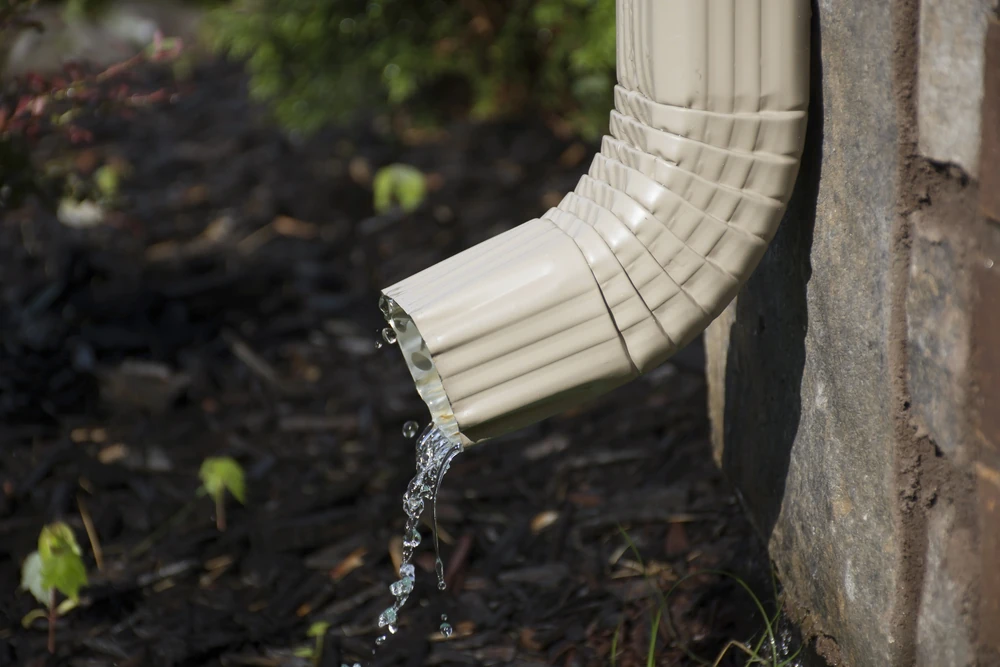
A typical property stormwater system collects water from several points and channels it into a network of pipes. Roof gutters carry water to downpipes, connecting to underground stormwater lines. Surface drains and grated pits in driveways, patios or low points in the yard pick up water that runs off hard surfaces and direct it to the same pipe network.
The underground pipes are usually sized so they can cope with heavy rain in the area. They are laid with a continuous fall, so gravity keeps water moving. All of this water should then discharge into the street kerb inlet, a council stormwater main or an on-site system such as a legal point of discharge, soakage pit or detention tank.
If any part of this chain is undersized, incorrectly graded, damaged or obstructed, water flow slows or stops. The result is visible overflow from gutters and pits or hidden pooling around the base of the building, where it can seep into footings and subfloor spaces.
Common Reasons Stormwater Drains Become Blocked
Blockages usually develop gradually rather than all at once. In most residential systems, the main causes are:
- Leaf litter and twigs from overhanging trees
- Silt, soil and sand washed in from garden beds, driveways and unsealed areas
- Roof debris such as broken tiles, rust scale or deteriorated sealants
- Plastic wrappers, toys, balls and other foreign objects are entering surface grates
- Tree roots infiltrating joints, cracks or old clay pipes
Fine material like silt and decomposed leaves settles in low points of the pipework. Over time, this builds into a dense sludge that restricts flow. During heavy rain, this restriction acts like a plug and water backs up rapidly. In older systems with small-diameter pipes, even a modest amount of debris can be enough to cause flooding.
Design Faults and Deterioration That Lead to Blockages
Some drainage problems come from poor original design or age rather than simple neglect. Pipes laid without adequate fall or with sharp changes in direction are prone to trapping sediment. Long runs without inspection openings are difficult to clear, so minor blockages are left until they become severe.
Older materials, such as clay or concrete pipe, are more likely to crack or shift as the ground moves. These defects create lips and gaps inside the pipe where debris collects and where tree roots can enter. Once roots establish inside a stormwater line, they act as a net catching additional material whenever it rains and rapidly forming a solid obstruction.
Incorrect connections also cause trouble. Linking stormwater to the sewer or directing roof water into garden beds instead of proper drains can overload systems that were not designed for that flow. In heavy rain, this often presents as water pushing back through low gully traps, pits and overflow points close to the house.
How Blocked Stormwater Causes Water to Back Up
Blocked stormwater drains prevent rainwater from moving away from the property at the speed and volume the system was designed for. When capacity is reduced by debris, tree roots or collapsed pipes, water has nowhere to go and begins to back up along the entire drainage network.
This backup can start quietly inside underground pipes, then progress to visible pooling in yards, driveways and around building foundations. In heavier rain, the problem escalates quickly and water can rise above floor level or enter internal drains.
How Water Behaves in a Blocked Stormwater System
Stormwater systems work on gravity. Pipes, pits and gutters are sized and sloped, so water flows downhill towards the street connection or soakage area. A blockage interrupts that flow and creates a bottleneck. Water continues to enter the system from:
- Roof gutters and downpipes
- Surface grates and yard drains
- Driveways and paved areas
When the outflow is restricted, more water is entering than leaving. Pressure builds behind the obstruction and the pipe begins to run under pressure instead of free flow. Water then looks for the nearest point of escape, which is usually the lowest opening in the system.
Common Points Where Water Backs Up
When stormwater cannot discharge to the street or legal point of discharge, it often reappears in vulnerable locations around the property. Typical examples include:
- Roof gutters and downpipes: If the downstream pipework is blocked, water fills the downpipe and then backs up into the gutter. Gutters overflow at the front edge or behind the fascia. Overflow behind the fascia can drive water into the eaves and wall cavities, which is often not noticed until staining or mould appears.
- Yard and surface drains: Blocked underground lines cause water to sit in or overflow from yard grates and strip drains. Instead of draining away during a storm, these areas become temporary ponds. Water can then run towards doors, garages or subfloor vents, especially on sloping blocks.
- Stormwater pits and inspection openings: Pits that suddenly fill to the top during moderate rain are often connected to a partially blocked pipe. As the water level rises, it can spill across driveways, paths and landscaped areas and then track into the building envelope.
Why Backup Worsens During Heavy Rain
Many blockages are partial rather than complete. In light rain, the system may seem to cope because the inflow is low. During heavy or prolonged rain, the limited opening within the blockage cannot pass the increased volume. Debris such as leaves and mulch is also washed into the system and can lodge on existing obstructions, narrowing the flow path even further.
As the blockage becomes tighter, the backup climbs higher through the system. In severe events, water can surcharge out of ground-level fittings or even reverse towards internal plumbing if stormwater and other drains are incorrectly interconnected. The result is rapid and often unexpected flooding of areas that normally remain dry.
How It Can Damage Outdoor Areas and Buildings
Blocked stormwater drains allow water to build up where it should not, quickly turning heavy rain into a risk for gardens, driveways and building structures. Instead of being carried away through the drainage network, water spreads across the property, saturating soil, undermining surfaces and putting pressure on foundations and walls.
Eventually, even moderate overflows can cause significant and expensive damage. Paving begins to sink, retaining walls can move out of alignment and moisture can penetrate building materials that were never designed to be constantly wet.
Damage to Gardens, Lawns and Hard Surfaces
When stormwater cannot enter drains, it spreads across gardens and lawns. Prolonged pooling leads to waterlogged soil that suffocates plant roots and encourages fungal disease. Turf can thin out or die in low spots where water consistently collects after rain. Nutrients are washed away from garden beds, leaving plants stressed and more vulnerable to pests.
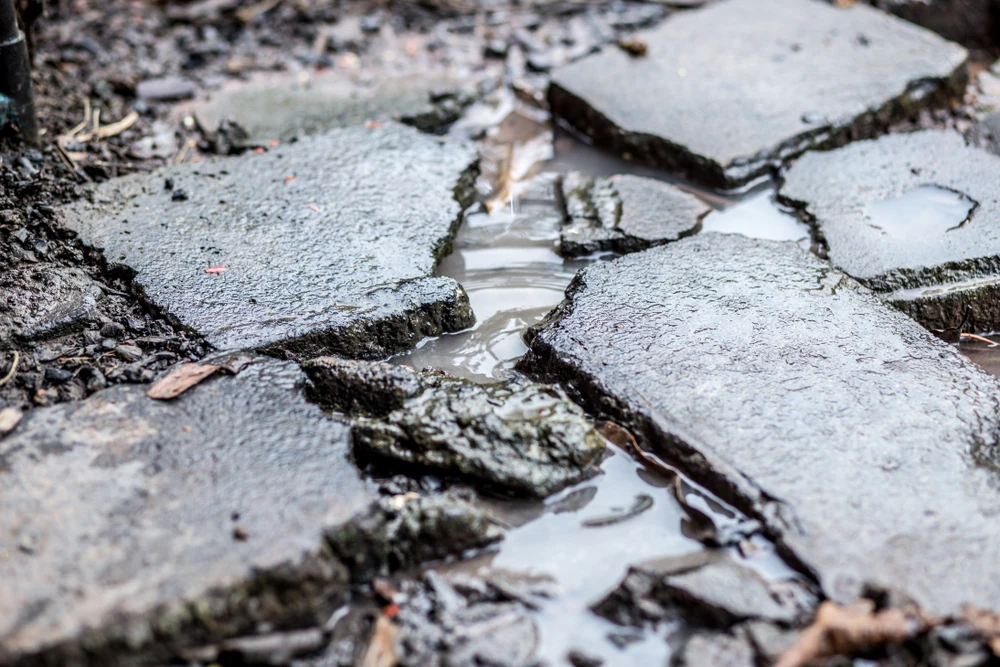
Hard surfaces are equally at risk. Water that repeatedly sits on driveways, paths or patios seeps into tiny cracks. As the ground beneath becomes saturated, the base material softens, allowing pavers and concrete slabs to move. This movement shows up as:
- Sinking or uneven pavers
- Cracking or lifting of concrete
- Loose tiles on steps or landings
Once surfaces become uneven, they hold even more water during the next storm, accelerating wear and increasing the risk of slips and trips.
Soil Erosion and Instability Around the Property
Uncontrolled runoff from blocked stormwater drains can strip away topsoil, particularly on sloping blocks. Instead of water being directed into pipes, it travels over the surface, cutting channels in garden beds and along fence lines. Mulch and landscaping materials are washed towards the lowest point, often clogging drains even further.
Where properties rely on retaining walls or embankments, this extra flow can remove supporting soil from behind structures. The loss of soil support allows walls to bow or lean and, in severe cases, fail. Even minor erosion near footings, stairs or pathways can leave voids that later collapse under weight.
Parking areas and gravel driveways are also susceptible. Fast-flowing water can scour loose materials out of place, creating ruts and potholes that worsen with every storm.
Structural Impacts on Buildings and Outdoor Structures
Blocked stormwater drains frequently cause water to pond against the base of external walls or to overflow gutters and downpipes. Constant wetting of masonry, brickwork or cladding allows moisture to penetrate through gaps and hairline cracks. This can damage:
- Mortar joints that begin to crumble
- Render those bubbles or flakes away
- Timber elements such as posts, decks or pergolas that swell then rot
Excess moisture around the building perimeter saturates the soil that supports footings. If the ground repeatedly cycles from saturated to dry, it can expand then shrink, leading to differential movement in foundations. Signs of this include new cracks in external walls, doors or windows that stick and gaps opening between walls and paving.
Warning Signs the Problem Should Not Be Ignored
Blocked stormwater drains rarely fail without warning. Recognising early signs of trouble can prevent minor issues from turning into serious water damage, structural problems and costly repairs. Certain changes around the property are clear indicators that stormwater is not draining as designed and that professional inspection is required.
The following warning signs suggest that a stormwater system is under stress or already failing. Prompt attention when these issues first appear significantly reduces the risk of flooding and long-term property damage.
Water Pooling and Slow Drainage
Water that lingers on surfaces after rain is one of the earliest and clearest warnings. Puddles around downpipes, patios, driveways or near the base of external walls indicate the stormwater system is not moving water away quickly enough.
Pooling that persists for more than an hour after moderate rain suggests partial blockage or undersized drainage. When water collects repeatedly in the same low spots in lawns or gardens, it indicates the underground stormwater line may be cracked, backpitched or obstructed. Water that rises out of yard grates during heavy rain is a strong sign that the downstream line is restricted and at risk of surcharging into the property.
Overflows, Gurgling and Unusual Noises
Visible overflow from gutters, downpipes or surface drains during rain should never be ignored. Water spilling over gutter edges or out of downpipe joints indicates the system is overwhelmed or blocked further down the line. This often precedes water entry into eaves, wall cavities and ceilings.
Gurgling sounds from outdoor drains when it rains or when internal plumbing discharges can point to trapped air in partially blocked stormwater pipes. Bubbling in yard drains or water forced up through grates is a sign that water pressure is building in the line. In more severe cases, water may back up through garage or basement floor drains, presenting a direct flood risk to internal areas.
Changes to Ground, Structures and Surfaces
Blocked stormwater often reveals itself through subtle changes to the property. Persistent damp patches on external walls near the ground level indicate water is saturating the soil against the footing because it cannot escape through the stormwater system. This can lead to render damage, peeling paint and salt staining.
Soft or boggy ground along the pipe route may mean water is leaking from cracked or displaced stormwater pipes. This is often accompanied by uneven paving, sinking paths or driveways and small gaps appearing between hard surfaces and the building. In clay soils, repeated saturation can cause movement that affects foundations and retaining walls.
Mould or mildew appearing on external walls, in subfloor areas or in garages after rain is another red flag. A musty odour in these spaces, along with rusting metal fixtures or efflorescence on brickwork, indicates ongoing moisture problems linked to poor stormwater performance. Any new cracking in retaining walls or tilting fences near drainage lines should also be treated as a possible symptom of uncontrolled stormwater pressure behind the structures.
Understanding how blocked stormwater drains contribute to property damage is essential for maintaining structural integrity, safety and long-term asset value. Minor obstructions can quickly escalate into issues including structural cracking, subsidence, internal water ingress and deterioration of external surfaces when stormwater is not effectively captured and redirected. The impact is often compounded by inadequate design, ageing infrastructure, poor maintenance and unregulated site changes that increase runoff without improving drainage capacity. A proactive approach ensures that stormwater systems continue to perform as intended, even during heavy rainfall events, protecting buildings and surrounding environments.

.webp)