

Signs of Hidden Plumbing Damage After Intense Rain
Heavy rainfall can place pressure on residential drainage systems and expose weaknesses that may have gone unnoticed for months or even years. While overflowing drains and visible flooding are easy to identify, other problems may develop quietly beneath the ground, behind walls or under floors after a major storm.
Slow-draining fixtures, gurgling sounds, unexplained dampness and persistent pooling water can all indicate that a property requires closer inspection. Some signs may be linked to stormwater drainage, while others can point to damaged wastewater lines, concealed plumbing leaks or water entering through the building exterior. When concerns arise, engaging a qualified plumber in Brisbane can help identify the source before the issue becomes more serious.
Plumbing Inspectors explains how intense rainfall can reveal existing plumbing problems, the warning signs homeowners should look for and when a professional inspection may be necessary.
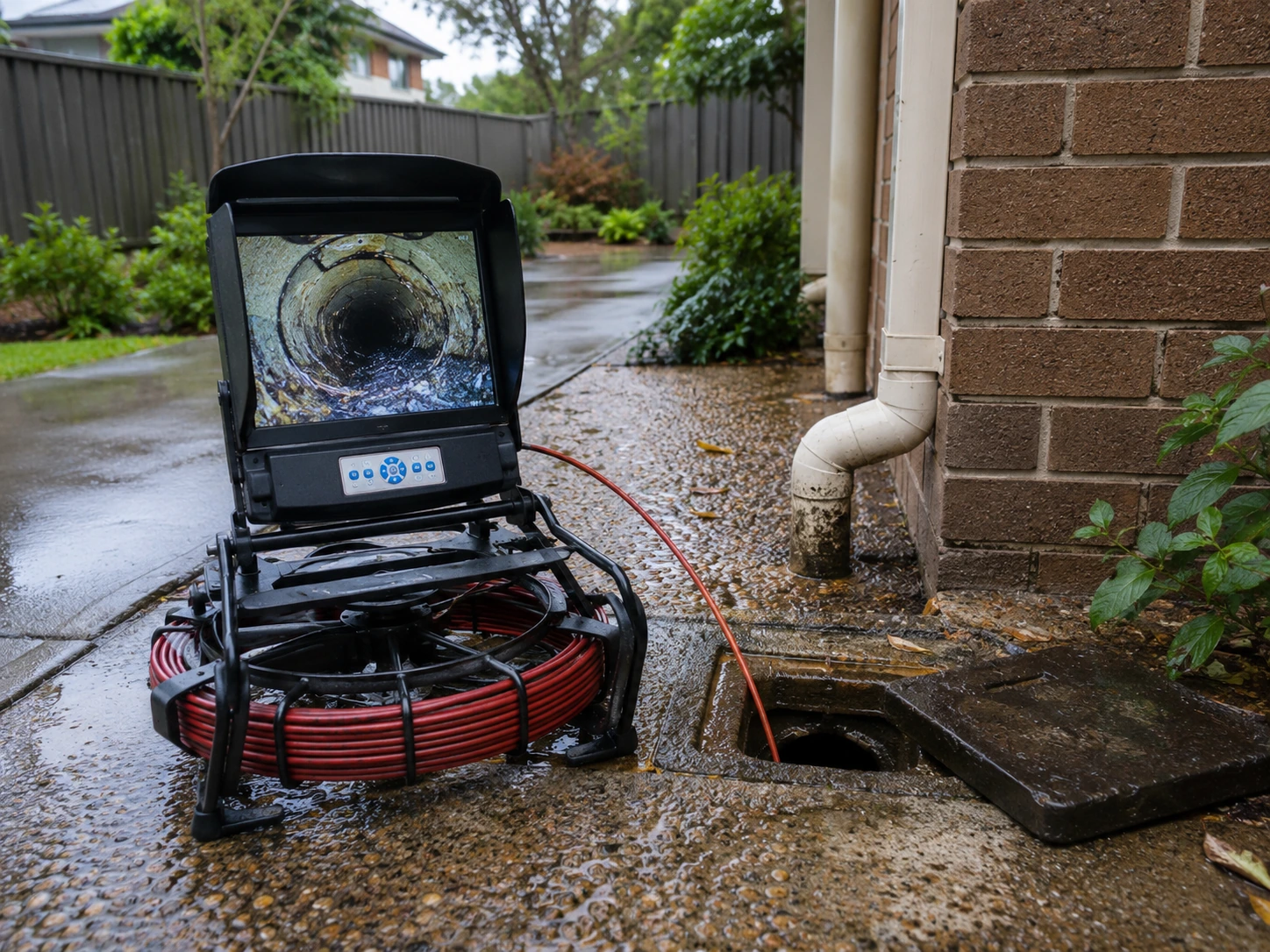
Why Heavy Rain Can Reveal Existing Plumbing Problems
Heavy rain does not usually create plumbing damage from nothing. More often, it exposes an existing weakness that was not noticeable during dry weather.
Residential properties rely on several separate systems to manage water. Stormwater pipes carry rainwater away from roofs, paved areas and the surrounding ground. Wastewater pipes remove water from toilets, sinks, showers and other fixtures. Pressurised water supply lines deliver clean water into the home.
Each system can be affected differently during severe weather. Large volumes of runoff may overwhelm stormwater drainage. Groundwater may enter damaged wastewater lines through cracks or separated joints. Saturated soil may also shift around buried pipes and worsen existing defects.
Understanding these differences makes it easier to identify which warning signs require attention.
Stormwater Can Infiltrate Damaged Wastewater Lines
Stormwater should not normally enter the wastewater system. However, during intense rain, water can find its way into damaged underground pipes through cracks, broken joints or incorrect plumbing connections.
When this happens, the wastewater line has less capacity to carry water away from the property. A drain that performs adequately in dry weather may suddenly struggle during or shortly after a storm.
This can cause:
- slow drainage across several fixtures
- gurgling sounds from sinks, showers or toilets
- rising water levels in toilet bowls
- sewage smells near drains
- wastewater backing up through low-level fixtures or external overflow points
Minor restrictions can also become more noticeable during heavy rain. A partial blockage caused by grease, scale, tree roots or damaged pipework may not create an obvious problem until the drainage system is under additional pressure.
Saturated Ground Can Worsen Existing Pipe Damage
After prolonged or intense rain, the ground around a property can become saturated and heavy. Wet soil may expand, shift or place additional pressure on buried pipes.
Pipes that already have cracks, poor joints, corrosion or inadequate support may become more vulnerable under these conditions. Existing damage can worsen as the ground moves, allowing additional groundwater to enter wastewater lines or water to escape from damaged pipes.
Separated joints and cracks may also provide entry points for tree roots. Over time, root intrusion can restrict flow and increase the risk of recurring drainage issues.
Properties on sloping blocks, low-lying land or reactive soils may be more likely to experience drainage problems after extended wet weather.
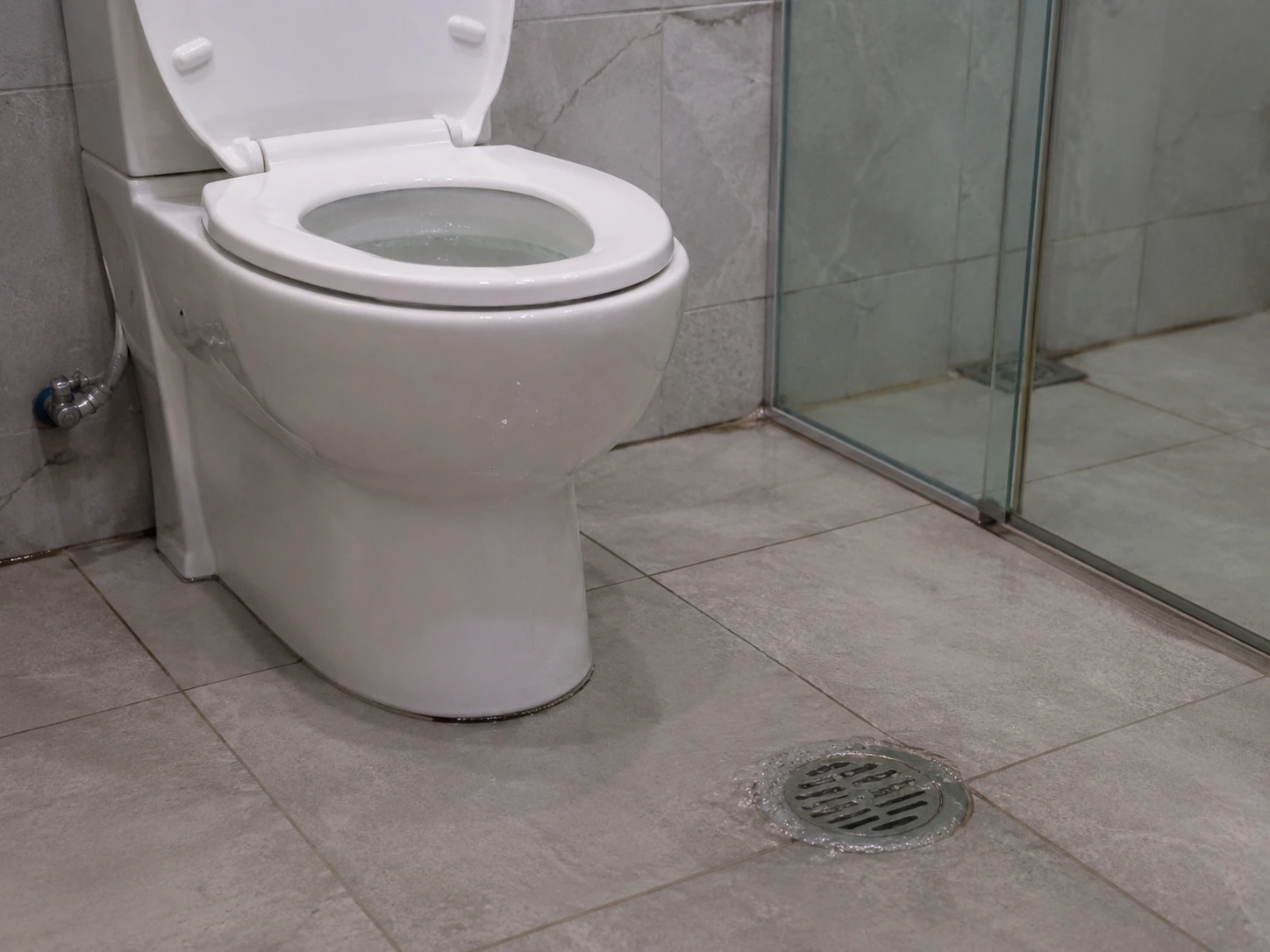
Slow Drains, Gurgling Sounds and Toilet Problems
Changes in drainage performance are among the most common signs that heavy rain has exposed a problem within the wastewater system.
A single slow-draining sink may only indicate a local blockage. However, when several fixtures begin draining slowly at the same time, particularly after rain, the issue may be further along the main drainage line.
Slow Drains Affecting Multiple Fixtures
Sinks, baths and showers that drain more slowly after heavy rain may indicate that groundwater has entered a damaged wastewater line or that an existing obstruction has become more noticeable under increased flow.
Pay attention to the pattern. A problem affecting one fixture may be limited to that particular waste pipe. A problem affecting multiple fixtures throughout the home is more likely to involve the main line or the connection between the property and the street.
The lowest fixtures in the home are often the first to show signs of trouble. This may include ground-floor showers, floor wastes or toilets.
Attempting to clear an individual fixture may not resolve the issue if the underlying cause is a damaged or obstructed underground line. Where several fixtures are affected after rain, a licensed plumber can investigate the drainage system and determine whether further work is required.
Gurgling Sounds and Air Bubbles
Gurgling sounds occur when air is displaced through the drainage system. When wastewater cannot move freely through a pipe, trapped air may escape through nearby fixtures.
Warning signs include:
- gurgling sounds when a sink or shower drains
- bubbles appearing in a toilet bowl when another fixture is used
- toilets bubbling when the washing machine discharges
- air-sucking sounds from floor wastes
- unpleasant smells coming from drains
These symptoms may indicate a partial blockage, damaged pipework or an issue affecting normal airflow through the drainage system.
Rising Water Levels and Toilet Problems
Toilets can provide an early warning that a wastewater line is struggling to drain correctly.
After heavy rain, look for:
- toilet bowls filling higher than usual before draining
- weak or incomplete flushing
- water levels rising and falling without the toilet being used
- bubbling when nearby fixtures drain
- wastewater backing up through toilets or floor wastes
Where the public wastewater network or the property’s drainage line is under pressure, wastewater may back up through the lowest available outlet. External overflow points are designed to help direct wastewater outside the home, but any overflow still requires prompt attention.
If toilet problems occur only during or shortly after heavy rain and then gradually improve, this may indicate stormwater infiltration or a restricted drainage line rather than a simple blockage inside the toilet.
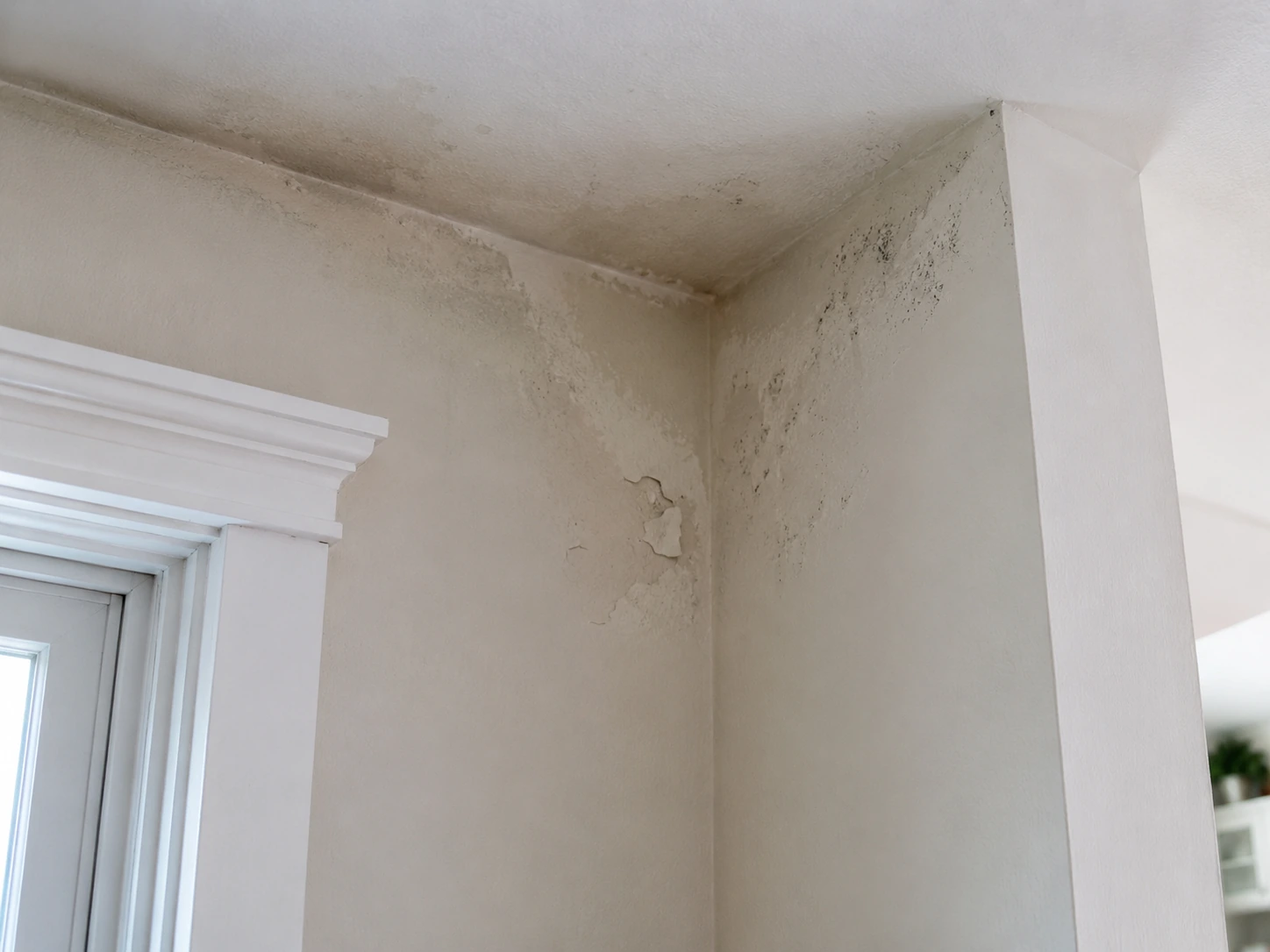
Damp Patches, Musty Smells and Mould Indoors
Dampness appearing after heavy rain should be investigated, but it does not always indicate a plumbing leak.
Water may enter a home through damaged roofing, blocked gutters, failed seals, poorly drained external areas or cracks in the building exterior. Concealed supply pipes, waste pipes and fixture connections can also contribute to moisture problems.
The location, timing and pattern of the dampness can help narrow down the likely cause.
Damp Walls, Ceilings and Floors
New stains or damp patches may appear as darker areas, yellow or brown marks, soft plaster or peeling paint.
Possible warning signs include:
- ceiling stains below an upstairs bathroom
- dampness near a shower, bath or toilet
- swollen timber flooring
- lifting vinyl
- peeling paint or blistering plaster
- soft skirting boards
- tiles that sound hollow or feel loose
- localised moisture around floor wastes or vanity units
A ceiling mark below a bathroom may indicate a leaking waste pipe, failed shower seal or damaged fixture connection. Dampness on an external wall after rain may instead point to water entering from outside.
A professional inspection can help determine whether the source is plumbing-related or connected to the building exterior. Homeowners can also look for other signs of a hidden water leak around the property.
Persistent Musty Smells After Rain
A musty smell that becomes stronger after wet weather may indicate moisture trapped behind walls, under flooring or inside cabinetry.
The smell may be caused by damp plasterboard, insulation, timber or other building materials. It may be particularly noticeable in wardrobes, enclosed corners, laundries, bathrooms or rooms with limited ventilation.
Opening windows and using exhaust fans may temporarily reduce the odour. However, when the smell returns after each period of rain, the underlying moisture source should be investigated.
Mould That Returns After Cleaning
Mould can develop when surfaces or hidden building materials remain damp for extended periods.
Black, green or white spots on walls, ceilings, skirting boards or behind furniture may indicate an unresolved moisture problem. Mould confined to one localised area is especially worth investigating.
While mould is not proof of a plumbing fault, it should not be dismissed as a cosmetic issue. Possible causes include concealed leaks, poor ventilation, external water entry or damaged stormwater drainage around the property.
Cleaning visible mould may improve the appearance of the area, but it will not resolve the underlying issue if moisture continues to enter the space.
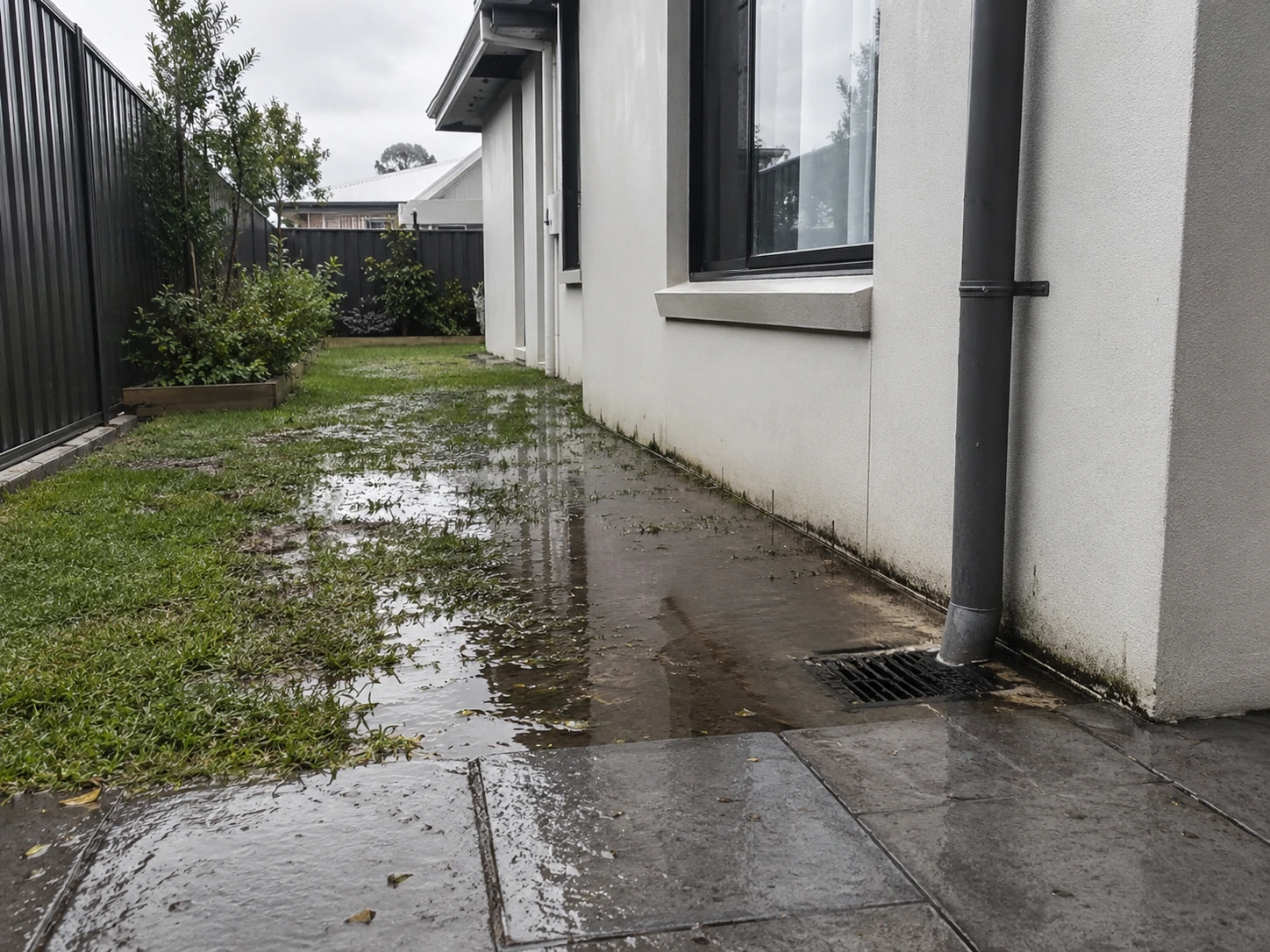
Pooling Water and Soggy Ground Outdoors
Some outdoor moisture is expected after intense rain. However, puddles that remain for an unusually long time, isolated patches of soggy soil and water collecting in unexpected areas may indicate a deeper drainage or plumbing problem.
Visual checks around the yard, driveway and external walls can help identify patterns that require further investigation.
Puddles That Remain After the Yard Dries
Pooling water may be linked to poor surface drainage, a blocked stormwater pipe or damaged underground plumbing.
Look for:
- puddles forming in the same location after each storm
- water remaining after nearby areas have dried
- pooling near the base of external walls
- water collecting beside paved areas or driveways
- puddles appearing on a slope where runoff should naturally flow away
- overflowing pits, drains or downpipe outlets
Water gathering near the house can increase the risk of dampness entering lower walls, subfloor areas or foundations. It may also indicate that stormwater is not being directed away from the property effectively.
Soft Ground and Unusually Green Patches of Lawn
Saturated soil should gradually firm up after the weather clears. Ground that remains soft, muddy or spongy after surrounding areas have dried may indicate an underground leak or drainage issue.
Warning signs include:
- a narrow strip of soggy lawn following the route of a buried pipe
- footprints filling with water after being stepped on
- isolated muddy patches with no obvious runoff source
- unusually green or fast-growing grass in a specific area
- foul odours near wet ground
- soft soil along the route of the wastewater line
A leaking water supply pipe may keep the area continuously wet, even during dry weather. A damaged wastewater pipe may also create unpleasant smells or unusually lush plant growth.
When Should a Plumber Inspect the Property?
A property does not necessarily need a plumbing inspection after every storm. However, new or recurring signs of drainage trouble, moisture problems or underground leaks should not be ignored.
The sooner the cause is identified, the easier it is to reduce the risk of more extensive damage.
Signs That Require Prompt Attention
Contact a licensed plumber promptly if any of the following occur:
- wastewater backing up through toilets, sinks, showers or floor wastes
- sewage smells inside the home
- multiple fixtures draining slowly at the same time
- gurgling sounds developing after heavy rain
- toilet water levels rising unexpectedly
- persistent pooling water near the house
- sudden loss of water pressure
- damp patches spreading across walls, ceilings or floors
- soft ground remaining wet after the rest of the yard has dried
- external overflow points discharging wastewater
These signs may indicate a damaged wastewater line, an obstruction, stormwater infiltration or a concealed leak.
When the Source of Moisture Is Unclear
Indoor dampness can have several possible causes. A plumber may need to inspect the property to determine whether the issue is linked to internal pipework, underground drainage or water supply lines.
Depending on the symptoms, further investigation may involve:
- CCTV drain camera inspections
- checks of external overflow points and inspection openings
- water pressure testing
- moisture assessment
- examination of stormwater drainage around the property
- inspection of fixtures, seals and concealed plumbing connections
Where the issue appears to involve roofing, waterproofing or external water entry rather than plumbing, additional building specialists may also be required.
Recognising Plumbing Problems Early
Hidden plumbing damage after intense rainfall often reveals itself through a combination of small warning signs rather than one obvious failure.
Slow drains, gurgling fixtures, unusual toilet behaviour, damp patches, musty smells, persistent pooling water and soggy ground can all indicate that something has changed after a storm.
Some issues relate to wastewater pipes, while others may involve stormwater drainage, concealed water supply lines or water entering through the building exterior. Recognising the warning signs early makes it easier to arrange the right inspection and address the cause before it develops into a major blockage, sewage backup or moisture problem.

.webp)