

Are Your Renovations Compliant? A Plumbing Inspector’s Guide to Renovation Approvals in Queensland
Renovating a bathroom, kitchen or laundry can involve more than choosing new fixtures and finishes. If plumbing or drainage is being altered, Queensland approval and notification requirements may also apply.
The requirements depend on what work is being completed. Some plumbing work requires a permit from local government before it starts, while much of the plumbing work carried out in existing homes can proceed without a council permit but must be registered with the Queensland Building and Construction Commission (QBCC).
Understanding what applies to your renovation can help you avoid undocumented work, compliance issues and problems that may surface when you renovate again, sell the property or have the plumbing inspected.

Do Renovations Need Approval in Queensland?
Not every renovation requires the same approvals.
A project may involve separate requirements for building work, planning and plumbing and drainage. For example, structural changes may require building development approval, while the plumbing work associated with the same renovation can have its own permit or notification requirements.
For homeowners, the important distinction is that obtaining building approval does not automatically cover plumbing and drainage work.
The Queensland Government provides information on building approvals and inspections.
What Plumbing Approval Does Your Renovation Need?
Queensland divides regulated plumbing and drainage work into three categories:
- Permit work: Requires approval from local government before work begins.
- Notifiable work: Does not generally require a council permit or mandatory inspection before work starts, but must be registered with the QBCC after completion.
- Minor work: Does not require approval or QBCC registration, although it must still be carried out by an appropriately licensed person where required.
The category depends on the work itself, not simply whether you describe the project as a bathroom, kitchen or home renovation.
You can check the QBCC guidance on regulated plumbing and drainage work for further information.
Does a Bathroom Renovation Need Plumbing Approval?
Many bathroom renovations in an existing Queensland home involve notifiable plumbing work.
QBCC lists additions, extensions and renovations to bathrooms as common examples of notifiable work. Installing new fixtures or relocating fixtures such as toilets, showers and basins can also fall within this category.
This generally means your licensed plumber can carry out the work without first obtaining a local government plumbing permit, but the completed notifiable work must be registered with the QBCC.
A simple replacement or repair of an existing fixture may instead fall within minor work, depending on exactly what is being done.
If the bathroom forms part of new construction or the work falls within another permit category, different requirements can apply.
What About Kitchen and Laundry Renovations?
Kitchen renovations in existing homes are also specifically identified by QBCC as a common type of notifiable work.
This can include installing or relocating a kitchen sink or making other changes to the plumbing serving the kitchen.
Laundry renovations may also involve regulated plumbing work where fixtures, water services or drainage are being installed or relocated.
Replacing an existing fixture without substantially altering the plumbing may be treated differently from moving the fixture to another part of the room, so the scope of the work should be confirmed with your plumber before the renovation begins.
What If You Move a Toilet, Shower or Sink?
Moving plumbing fixtures generally involves more than simply replacing what is already there.
QBCC identifies installing new or relocating fixtures including toilets, showers, basins and kitchen sinks as examples of notifiable work in existing buildings.
This is important when changing the layout of a bathroom or kitchen. Even if the renovation does not require a local government plumbing permit, the plumbing work may still need to be completed by a licensed plumber and registered with the QBCC.
What If You Are Adding a New Bathroom or Ensuite?
Adding a bathroom or ensuite can involve more extensive plumbing and drainage alterations than renovating an existing room.
Where the work is within an existing building, it may still fall within the notifiable work framework. However, the classification can depend on the property and the scope of the work.
If the new bathroom forms part of a new building or structure, the associated plumbing is generally permit work rather than notifiable work.
This is why it is worth confirming the approval pathway before work starts, particularly for extensions and larger renovations.

What Is Permit Work?
Permit work requires approval from the relevant local government before plumbing or drainage work begins.
Examples identified by QBCC include:
- Plumbing and drainage associated with a new building or structure
- Certain additional fixtures in buildings connected to a combined drain
- Certain additional fixtures in buildings connected to a dual reticulated water supply
- Work involving a performance solution under the relevant plumbing codes
Permit work is generally assessed and inspected by local government.
A permit application may also require plans and supporting documentation showing the proposed plumbing and drainage layout.
You can read more about obtaining a plumbing and drainage permit.
What Is Notifiable Work?
Notifiable work is designed to allow certain plumbing and drainage work to proceed without obtaining a local government permit first.
It includes most regulated plumbing work carried out in existing buildings. Common examples include:
- Kitchen renovations
- Bathroom renovations
- Installing new plumbing fixtures
- Relocating toilets, showers, basins or kitchen sinks
- Installing or replacing water heaters
The work must still be completed by an appropriately licensed plumber or drainer.
Once completed, it must be registered with the QBCC. QBCC states that registration is generally required within 10 business days of the invoice being issued. A copy of the registration must also be provided to the customer or occupier within the required timeframe.
Notifiable work is not subject to mandatory council inspections in the same way as permit work, although local governments can audit this work for compliance.
What Is Minor Plumbing Work?
Minor work covers certain lower-risk plumbing and drainage tasks.
Examples given by QBCC include:
- Unblocking sanitary plumbing or drainage
- Repairing a damaged pipe
- Maintaining or repairing plumbing equipment
- Maintaining, repairing, replacing or removing certain fittings and fixtures
- Some work involving rainwater tanks or greywater systems
Minor regulated work does not require prior council approval or registration with the QBCC, but it must still be carried out by a QBCC licensee.
The difference between replacing an existing fixture and substantially relocating or altering its plumbing can be important, so homeowners should not assume that every small renovation automatically qualifies as minor work.
Who Is Responsible for Registering Plumbing Work?
For notifiable work, it is generally the licensed plumber or drainer who is responsible for registering the completed work with the QBCC.
The homeowner should receive a copy of the Form 4 registration relating to the work. QBCC requires the responsible person to provide a copy to the customer or occupier within 20 business days after registration.
As a homeowner, it is worth keeping this documentation with your renovation records along with invoices, plans, warranties and any building approvals.
For permit work, the person responsible for the work must arrange the required inspections with local government.
How Can You Check Whether Previous Plumbing Work Was Registered?
If you have purchased a property with a renovated bathroom or kitchen, or you are unsure whether previous plumbing work was properly recorded, you can check the QBCC notifiable work register.
The register allows you to search an address to see whether notifiable plumbing work has been registered for the property.
This can be particularly useful when:
- A bathroom or kitchen appears to have been renovated
- Plumbing fixtures have clearly been relocated
- You have no paperwork for previous renovations
- You are planning further plumbing alterations
- You are concerned that previous work may have been completed without a licensed plumber
A missing registration does not by itself prove that the plumbing is non-compliant. The work may have been classified differently, completed before particular notification requirements applied or recorded through another approval process.
However, it can be a reason to investigate further.
What Happens If Plumbing Work Was Not Registered or Approved?
If you discover renovation work without the expected paperwork, the first step is to establish what work was actually completed and what approval requirements applied at the time.
Depending on the circumstances, this may involve:
- Checking the QBCC notifiable work register
- Checking available council plumbing records
- Reviewing renovation plans and invoices
- Confirming whether the tradesperson was appropriately licensed
- Arranging a plumbing inspection to assess visible plumbing and drainage work
- Contacting the relevant local government or QBCC if further clarification is required
It is important not to assume that missing paperwork automatically means the entire renovation needs to be removed or redone.
The appropriate response depends on the type of work, when it was completed and whether there are actual compliance defects.
What Happens During Plumbing Permit Inspections?
Permit work is subject to inspections as part of the Queensland approval process.
Generally, the person responsible for the work must request an inspection before relevant plumbing or drainage is covered, or within the prescribed timeframe once an inspection stage has been reached.
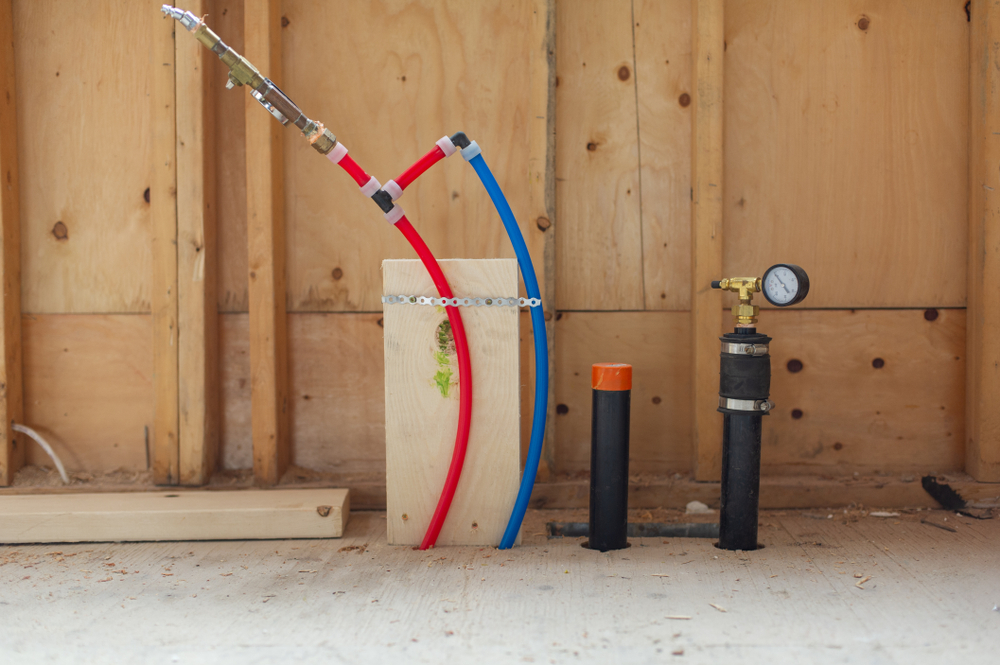
The inspection checks whether the permit work complies with applicable plumbing laws, the conditions of the permit and the approved plans.
Once all work covered by the permit has been completed and found compliant, local government can issue a final inspection certificate confirming that the permit work is compliant, operational and fit for use.
Common Plumbing Compliance Problems After Renovations
Even when a newly renovated bathroom or kitchen looks finished, plumbing problems can remain concealed behind walls, beneath floors or underground.
Some of the issues that may require further investigation include:
Incorrect Drainage Alterations
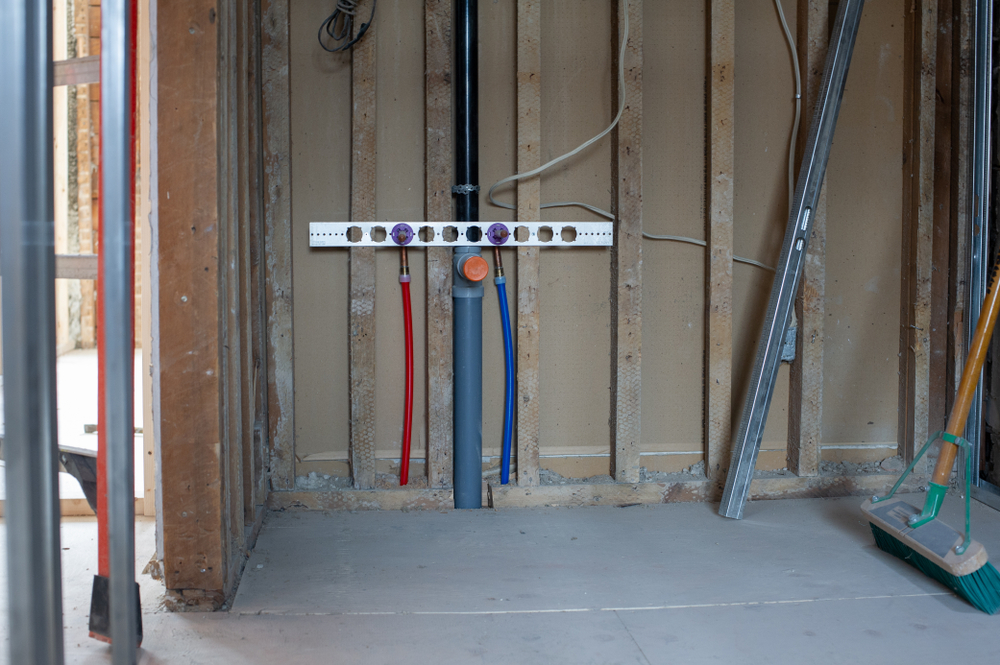
Changing the location of toilets, showers, basins and sinks often requires alterations to sanitary plumbing or drainage.
Incorrect falls, poorly configured pipework or inappropriate connections can lead to slow drainage, recurring blockages or other performance problems.
Unregistered Plumbing Work
If notifiable plumbing work was completed but never registered with the QBCC, the property records may not reflect the alteration.
This can become particularly relevant when trying to establish what work was previously completed or when planning further renovations.
Plumbing Work Completed by an Unlicensed Person
Regulated permit, notifiable and minor plumbing work must be carried out by an appropriately licensed plumber or drainer.
DIY work or work completed by an unlicensed person can therefore create both compliance and practical concerns.
Sewer and Stormwater Problems
Renovation work can sometimes expose existing drainage problems or introduce new ones if connections have been altered incorrectly.
Sewer and stormwater systems serve different purposes, and incorrect connections can contribute to drainage problems, overflows or water entering areas where it should not.
Concealed Plumbing Defects
Once walls, floors and cabinetry are installed, much of the plumbing involved in a renovation becomes difficult to inspect visually.
This makes it particularly important for permit work to be inspected at the required stages and for homeowners to keep the documentation associated with completed plumbing work.
When Should You Arrange a Plumbing Inspection?
A plumbing inspection can be useful when there is uncertainty about existing renovation work rather than simply because a property has been renovated.
You may consider an inspection if:
- You have bought a property with renovated wet areas but limited documentation
- Plumbing work does not appear in available records
- You are planning another renovation and want to understand the existing plumbing first
- You have noticed recurring drainage or plumbing problems since renovations were completed
- You are concerned that alterations may have been carried out incorrectly
- Council, a certifier or another professional has raised questions about existing plumbing work
An inspection can help identify visible defects and areas requiring further investigation, although the ability to confirm concealed work will depend on access and the nature of the plumbing system.
Check the Plumbing Before Problems Surface
A renovation does not need to involve major structural work for Queensland plumbing requirements to apply.
Bathroom and kitchen renovations, relocating fixtures and other alterations in existing homes are commonly treated as notifiable work, while plumbing associated with new buildings and certain other work requires a permit before it begins.
Before renovating, confirm the category of plumbing work with an appropriately licensed plumber and make sure the required permit or registration process is followed.
If the renovation has already been completed and you are unsure about the plumbing, available council records, the QBCC notifiable work register and a professional plumbing inspection can help you build a clearer picture of what has been done.
Plumbing Inspectors provides independent plumbing inspections for Queensland homeowners who need help assessing existing plumbing and drainage work, investigating potential defects or understanding the condition of plumbing after a renovation.

.webp)