

Are Chemical Drain Cleaners Safe for Your Pipes?
Chemical drain cleaners may seem like a quick fix, but their harsh ingredients can corrode pipes, damage seals and lead to costly repairs. For blocked drains in Brisbane, choosing a safe and effective clearing method helps protect the plumbing system.
Although some products can clear minor clogs, they may not remove the entire blockage or address the underlying cause. Repeated use can also worsen existing pipe damage.
Plumbing Inspectors highlights the risks of chemical drain cleaners and the safer alternatives available to help prevent recurring blockages and unnecessary plumbing repairs.
How Can Chemical Drain Cleaners Damage Your Plumbing?
Chemical drain cleaners are designed to dissolve certain types of organic blockages, but their ingredients can also damage pipes, seals and fittings. The risk depends on the product's formulation, the pipe material and how long the chemicals remain inside the drain.
Chemical drain cleaners can affect plumbing in several ways:
- Corrosion in metal pipes: Strong acidic or alkaline ingredients can contribute to corrosion in susceptible metal pipes, including older galvanised steel and cast iron. Eventually, this may weaken pipe walls and increase the risk of leaks.
- Heat damage to plastic pipes: Some cleaners generate heat as they react with a blockage. Excessive heat can affect certain plastic pipes, fittings and joints if the product becomes trapped in a partially blocked drain.
- Damage to seals and fittings: Incompatible chemicals may deteriorate rubber washers, gaskets and seals. Certain metal finishes may also become stained or etched.
If a cleaner fails to remove the blockage, chemical residue may remain inside the pipe. Adding another cleaning product or attempting to plunge the drain can cause hazardous splashes or release harmful fumes. Following the manufacturer's safety instructions and avoiding repeated chemical treatments can help minimise these risks.
Healthdirect warns that mixing some cleaning products can release dangerous chemical fumes, which may irritate the eyes and airways and cause breathing difficulties.
For stubborn blockages, mechanical clearing or a professional plumbing assessment can help remove the obstruction without relying on repeated chemical treatments.
Do Chemical Drain Cleaners Actually Remove Blockages?
Chemical drain cleaners can clear minor blockages caused by hair, soap scum, skin oils and small amounts of organic residue. Their effectiveness depends on the product, the severity of the obstruction and whether the chemicals can reach the affected area.
However, a cleaner may only open a narrow passage through the blockage rather than remove all the accumulated material. This can allow debris to build up again, leading to recurring clogs. Chemical products are ineffective against solid objects, tree roots and mineral scale and may struggle with dense grease deposits.
For stubborn or recurring blockages, a plunger or drain snake may provide a more effective solution. Professionals also use specialised equipment to clear deeper obstructions and identify problems that require repairs.
What Types of Blockages Can Chemical Drain Cleaners Remove?
Chemical drain cleaners are intended for minor blockages caused by organic materials that certain formulations can soften or dissolve. Their effectiveness varies based on the ingredients and the amount of buildup inside the pipe.
Chemical cleaners may help with:
- Hair and soap scum: Some products can break down or loosen organic residue in bathroom sinks and shower drains, although tangled hair may still require physical removal.
- Skin oils and personal care residue: Certain formulations can help loosen oily deposits that accumulate around drain openings and inside pipes.
- Light food residue: Some products may help break down small amounts of organic food waste before a significant blockage develops.
These products are less suitable for solid objects, tree roots, mineral scale and dense grease plugs. Such obstructions require mechanical removal or professional drain cleaning.
Are Chemical Drain Cleaners Safe for PVC and Older Pipes?
Chemical drain cleaners are not always suitable for PVC or older pipes. Some products are labelled for use with plastic plumbing, but compatibility depends on the formulation, pipe material and manufacturer's instructions. If a cleaner becomes trapped in a blocked drain, prolonged exposure or heat generated during the reaction may increase the risk of damage.
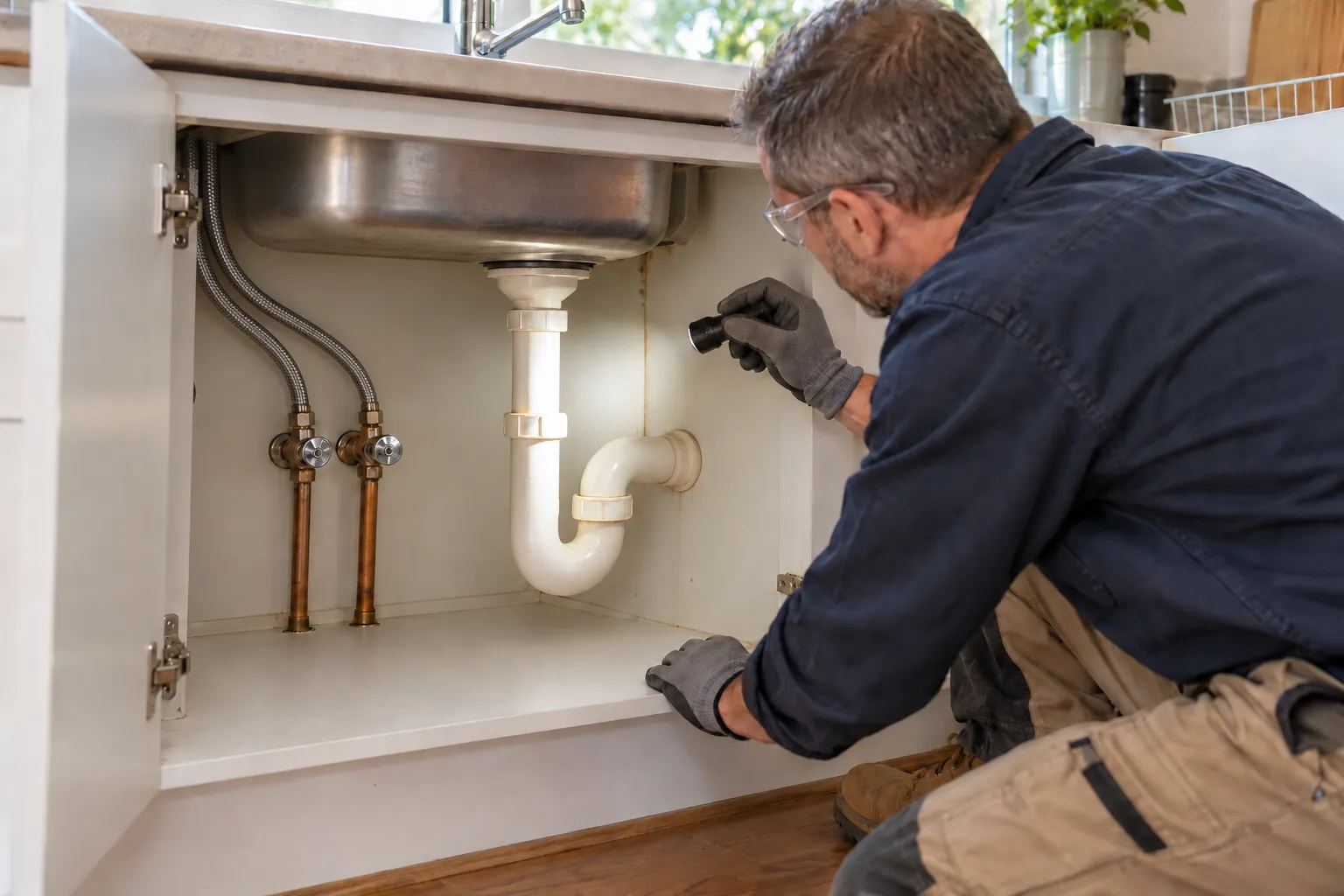
Older plumbing can be more vulnerable when corrosion, wear or previous repairs have weakened the pipes. Galvanised steel and ageing cast iron may already have corrosion, while deteriorated plastic pipes and worn fittings may be less able to withstand incompatible chemicals.
Before using a chemical cleaner, check the label to confirm that it is suitable for the pipe material and intended application. If the pipe material is unknown, the plumbing is visibly deteriorated or the blockage persists, mechanical cleaning and professional assessment are safer options.
Can Chemical Drain Cleaners Damage Drain Seals and Fixtures?
Yes, chemical drain cleaners can damage drain seals, plumbing connections and fixture finishes when the ingredients are incompatible with the materials or the product is used incorrectly. Strong chemicals may cause rubber washers and gaskets to deteriorate, increasing the risk of leaks. Various products can also stain or etch metal drain fittings and finishes.
The risk depends on the cleaner's formulation, the materials involved and how long the chemicals remain in contact with plumbing components. Following the manufacturer's instructions and avoiding repeated treatments can help minimise damage.
Mechanical cleaning or professional drain assessment can provide a safer alternative when a blockage persists. Licensed plumbers can remove the obstruction, check for damaged seals and recommend suitable repairs.
Can You Use Chemical Drain Cleaners in Kitchen and Bathroom Drains?
Chemical drain cleaners may help with minor kitchen and bathroom blockages, but their suitability depends on the obstruction, pipe materials and product instructions. Kitchen drains commonly collect grease and food residue, while bathroom drains often become clogged with hair, soap scum and skin oils.
Using Chemical Cleaners in Kitchen Drains
Some products are designed to break down grease and food-related residue. However, thick grease deposits can be difficult to dissolve, particularly when buildup extends along a section of pipe. A cleaner may restore some water flow without removing the entire obstruction.
Removing food scraps before washing dishes, using a sink strainer and disposing of cooking oil in the bin can help prevent kitchen drain blockages.
Using Chemical Cleaners in Bathroom Drains
Bathroom drains frequently collect hair, soap residue and personal care products. Some chemical cleaners can loosen organic buildup, but tangled hair and compacted debris may require physical removal. Cleaning accessible drain covers and using a suitable drain snake can help clear these obstructions without repeated chemical treatments.
When to Choose an Alternative
Before using a chemical drain cleaner, check the label to confirm that it is suitable for the drain and pipe materials. Never mix drain cleaners with other cleaning products and do not plunge or dismantle a drain after chemical treatment unless the manufacturer's instructions specifically confirm it is safe.
If the drain is completely blocked, the product fails to work, or the problem keeps returning, avoid adding more chemicals and seek professional advice. Expert plumbers determine whether the issue involves grease buildup, accumulated hair, a deeper obstruction or damaged pipework.
What Are Safer Ways to Clear a Blocked Drain?
Safer ways to clear a blocked drain include removing visible debris, using a suitable plunger and flushing minor buildup with warm water. These methods can resolve some household blockages without exposing pipes, seals and fittings to harsh chemicals.
- Remove visible debris: Use gloves and a suitable cleaning tool to clear hair, soap scum and food scraps around the drain opening.
- Use a plunger: A properly sealed plunger can help dislodge minor blockages in sinks, showers and toilets. Do not plunge a drain containing chemical cleaner unless the product instructions permit it.
- Flush with warm water: Warm water and a small amount of dishwashing liquid may help loosen light grease buildup in kitchen drains. Avoid boiling water, which damages some pipes and fittings.
- Try a drain snake: A suitable manual drain snake can remove hair and other debris from accessible drains without chemical cleaners.
For deeper or persistent obstructions, use equipment such as drain augers or high-pressure water jetting. Repeated slow drainage, gurgling noises or sewage odours can indicate a more serious problem that requires professional assessment.
Why Do Some Drain Blockages Keep Coming Back?
Recurring blockages often indicate that debris remains inside the pipes or an underlying plumbing issue has not been resolved. Chemical drain cleaners may temporarily restore water flow without completely removing the obstruction, allowing waste to accumulate again.
Here are some causes of recurring blockages:
- Grease and food residue: Hardened grease can trap other debris inside kitchen pipes and restrict water flow.
- Hair and soap scum: These materials can accumulate in bathroom drains and form stubborn clogs if not completely removed.
- Tree root intrusion: Roots can enter damaged underground pipes and obstruct drainage.
- Damaged or poorly aligned pipes: Cracks, sagging sections and unsuitable pipe gradients can cause waste to collect instead of flowing away properly.
- Deeper drainage obstructions: If several fixtures drain slowly or a toilet gurgles when another fixture is used, the blockage may affect a shared drain line or sewer pipe.
Inspect the drainage system, identify the underlying cause and recommend suitable clearing methods or repairs. Addressing the problem directly helps prevent repeated clogs and reduces the risk of further pipe damage.
How Can You Prevent Blocked Drains in the Future?
Preventing blocked drains starts with keeping grease, food scraps, hair and other debris out of the plumbing system. Simple habits and regular cleaning can reduce buildup, minimise recurring clogs and limit the need for chemical drain cleaners.
- Dispose of grease properly: Let cooking oil and fats cool before placing them in the bin rather than pouring them down the sink.
- Use drain covers and strainers: Catch hair, food scraps and other debris before they enter the pipes and clean the covers regularly.
- Flush toilets correctly: Only flush toilet paper and human waste. Wipes, sanitary products and other household items can cause stubborn blockages.
- Clean drains regularly: Remove visible debris from plug holes and drain covers. Warm water may help clear light residue in suitable kitchen drains.
- Address recurring drainage issues: Repeated slow drainage may indicate deeper obstructions, tree root intrusion or damaged pipes that require professional attention.
If blockages continue despite these precautions, check the drainage system and recommend suitable maintenance or repairs. Managing underlying problems early can help prevent severe blockages and reduce the risk of costly plumbing emergencies.
When Should You Call a Plumber Instead of Using Drain Cleaners?
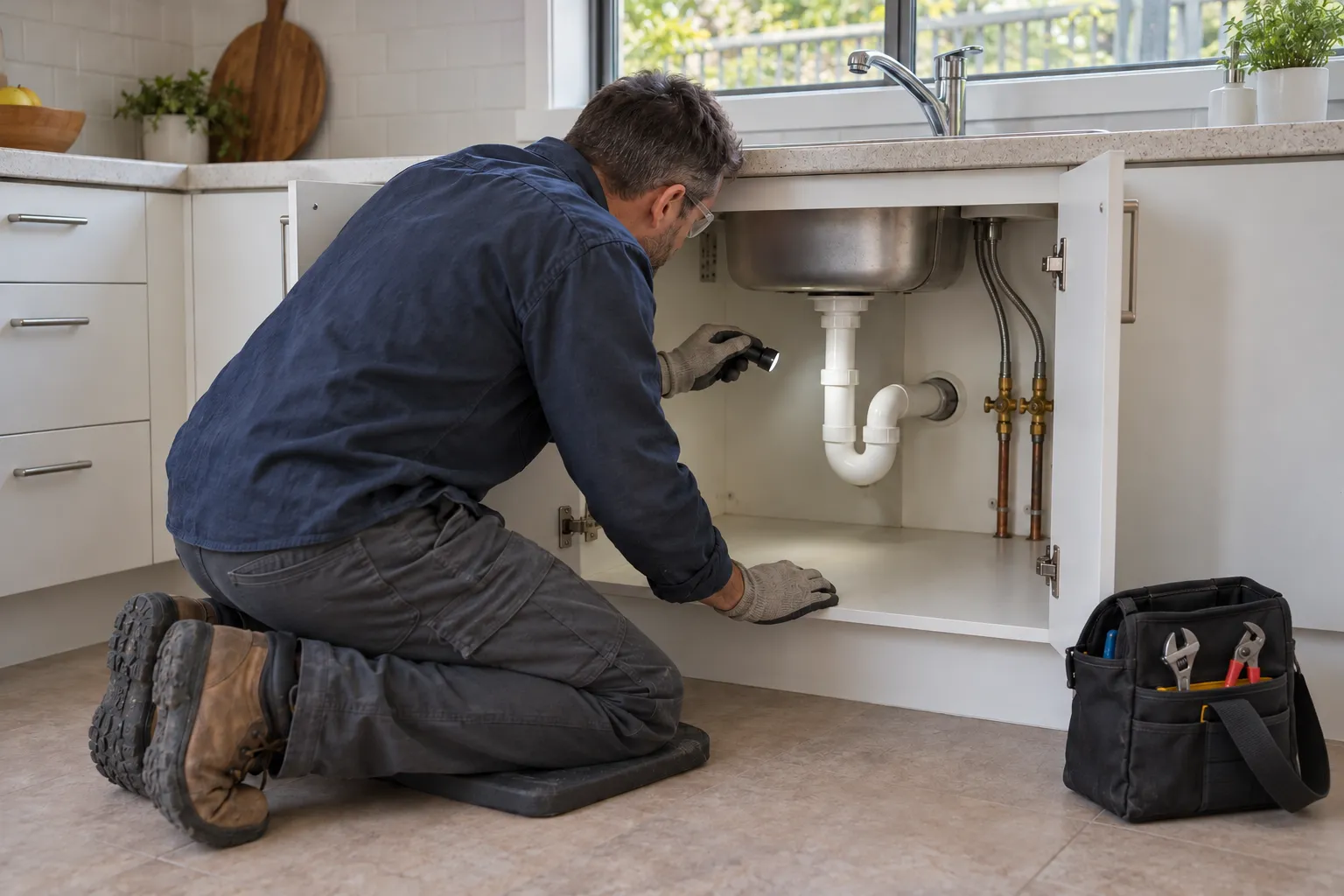
A drain camera inspection can help identify hidden obstructions, tree root intrusion and damaged pipework that may be causing the blockage to return. In these situations, chemical drain cleaners may fail to remove the obstruction and can increase the risk of pipe damage or hazardous splashes.
The QBCC provides guidance on licensed plumbing work, including how to check a plumber’s licence before arranging drain clearing or repairs.
Repeated or Persistent Blockages
If a drain keeps clogging after treatment, the cause may be accumulated grease, tree roots or a deeper obstruction. Multiple slow drains or a toilet that gurgles when another fixture drains may indicate a blockage in a shared drain line. A plumber can inspect the pipes and remove the obstruction using suitable equipment.
Sewage Backups or Standing Water
Avoid adding chemical cleaners to a completely blocked drain containing standing water, as the product may remain concentrated in the pipe. Sewage backing up through a toilet, shower or floor drain requires prompt professional attention to identify and resolve the problem safely.
Older or Damaged Pipes
Older metal pipes, deteriorating plastic plumbing and pipes with a history of leaks may be more vulnerable to chemical damage. If the pipe material is unknown or blockages repeatedly occur in the same area, a plumber can assess the pipework and determine whether cleaning or repairs are needed.
A plumber can identify the underlying cause and recommend a suitable solution, helping prevent recurring clogs and further damage to the plumbing system.
Chemical drain cleaners may provide temporary relief, but they can damage pipes, seals and fixtures while leaving underlying blockages unresolved. Mechanical clearing, routine maintenance and targeted repairs can provide more reliable solutions for keeping drains flowing and reducing recurring problems.
Plumbing Inspectors recommends identifying the cause of a blockage before choosing a clearing method. When drainage problems persist, professional assessment can help protect the plumbing system and prevent unnecessary repairs.

.webp)