

Common Plumbing Issues in Brisbane’s Older Homes
Older homes across Brisbane are full of character, but they often come with hidden plumbing problems that develop quietly over decades. As a plumber in Brisbane working with established properties, Plumbing Inspectors regularly sees how ageing pipes, outdated drainage systems and past renovation work combine to create recurring issues. Behind weatherboard walls and beneath raised Queenslander floors, original pipework and fixtures are often operating well beyond their intended lifespan.
This article outlines the most common plumbing problems affecting older homes in Brisbane and surrounding suburbs. It explains how local soil movement, subtropical weather and historical building practices influence hidden pipework and water infrastructure. Readers will learn how to recognise early warning signs of deteriorating water pipes, persistent leaks, fluctuating water pressure, temperamental hot water systems and ageing drains, helping them understand when simple repairs are enough and when more substantial upgrades are the safer long-term option.
Ageing Pipes and Materials in Older Homes
Older homes often contain original pipework that is now decades past its intended service life. Subtropical conditions, reactive soils and historical building practices all influence how these materials deteriorate over time. Homeowners typically begin noticing symptoms such as discoloured water, reduced pressure, recurring leaks or noisy pipework long before any visible damage appears.
Understanding which materials are likely concealed within walls or beneath slabs, and how they commonly fail, helps owners determine when targeted repairs are sufficient and when full replacement is the safer and more cost-effective option. During an assessment, professionals identify pipe types, evaluate their current condition and consider the specific risks those materials present in the local climate.
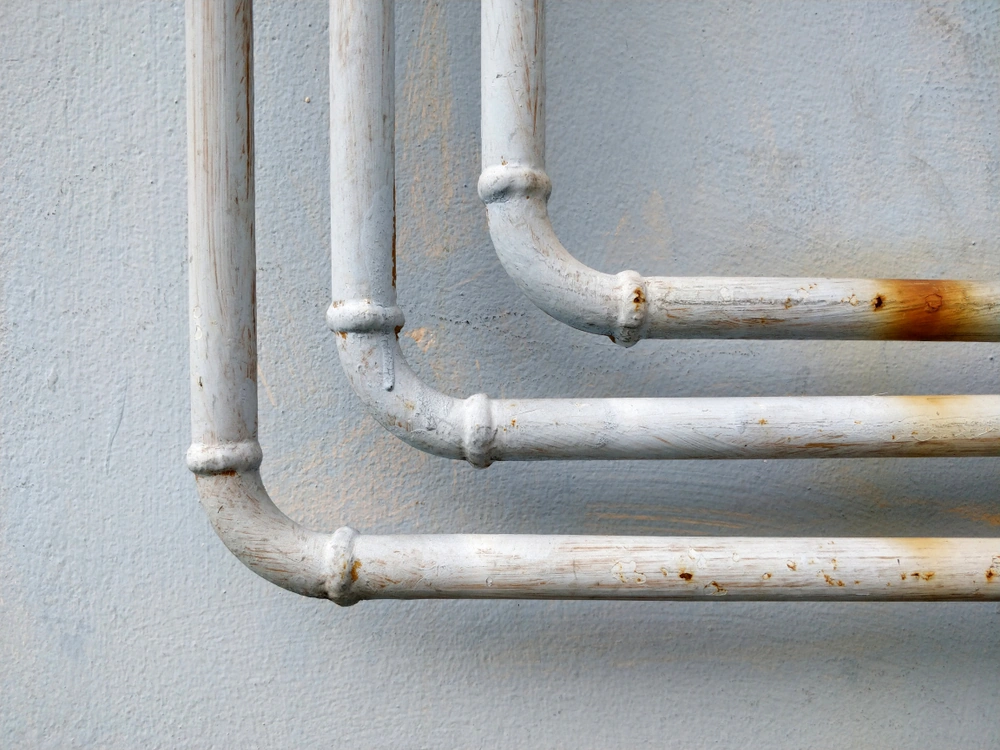
Common Pipe Materials in Older Properties
Many character homes and post‑war properties in Brisbane still rely on:
- Galvanised steel
- Copper
- PVC and early plastic composites
- Earthenware and concrete for sewer and stormwater
Galvanised steel was widely used for water supply. Over time, internal corrosion builds up, especially in areas with slightly harder or more mineral-heavy water. This reduces pipe diameter and causes brown or rusty water, fluctuating pressure and eventually pinhole leaks. In multi‑storey Queenslanders, this can show up first on upper levels where pressure is already marginal.
Copper is generally more durable but is still vulnerable to pitting corrosion, particularly where water sits in unused sections or where dissimilar metals meet at fittings. In older renovations, it is common to find mixed metals joined without correct isolation, accelerating corrosion around those joints.
Sewer and stormwater lines in older suburbs are often earthenware or concrete. These become brittle eventually and are prone to cracking under soil movement. Tree‑lined streets also mean root intrusion is a frequent issue, leading to slow drains, gurgling toilets and recurrent blockages.
How Brisbane Conditions Accelerate Deterioration
Warm, humid climate and occasionally intense rainfall patterns place extra stress on ageing pipes. Higher soil moisture can increase external corrosion on metal pipes and contribute to movement in reactive clay soils in suburbs. This movement places strain on rigid materials, like galvanised steel and earthenware joints, which then start to leak or separate.
Older under‑slab copper and galvanised lines are particularly vulnerable where groundwater pools after heavy rain. Tiny leaks can wash away supporting soil and eventually cause slab settlement. Exposed pipework under the house can also suffer from external corrosion, mechanical damage and uninsulated hot lines losing heat quickly.
Inside the home, old plastic pipes not rated for sustained high temperatures may deform near hot water services. As time passes, this can create weak points that split under pressure, especially after a system upgrade to a higher-pressure mains connection or a new pump.
Inspection, Risk Signs and Replacement Options
Ageing pipes usually give some early warning. Owners should pay attention to stained fixtures, metallic or earthy tastes in water, frequent need to plunge or clear drains, unexplained wet patches on walls or ceilings and unusually high water bills that suggest hidden leaks.
Inspections typically start with identifying pipe materials at visible points such as under sinks, in the subfloor and at the water metre, then correlating that with the home’s age. For buried services, CCTV drain camera surveys and pressure testing are used to confirm internal condition without invasive digging.
Where issues are localised, targeted repairs or sectional replacements can be effective. However, in many pre‑1970s homes, a staged repipe in modern copper or PEX for water and PVC for drainage is the most reliable long‑term solution. Planning this work proactively, rather than waiting for a major burst or sewer failure, usually reduces overall cost and disruption for homeowners.
Hidden Leaks Behind Walls and Under Floors
Hidden leaks are one of the most damaging plumbing issues in older homes because they often go unnoticed until significant structural or moisture damage has already occurred. Ageing copper, galvanised and polybutylene pipes, combined with a humid climate, create ideal conditions for slow leaks that encourage mould growth and gradually weaken framing and floorboards.
Recognising the early warning signs and understanding how concealed leaks are located can help homeowners act before the damage becomes extensive.
Common Signs of Concealed Leaks
Hidden leaks rarely show up as a dramatic burst. Instead, they leave subtle clues that gradually worsen.
Owners should watch for:
- Brown or yellow water stains on plasterboard ceilings or walls
- Paint that is bubbling, peeling or looks “spongy” to the touch
- Timber skirting boards or hardwood floors that are cupping, warping or blackening at the edges
- A musty or damp smell, especially in enclosed areas like wardrobes or under stairs
- Small patches of mould that keep returning after cleaning
Sagging or uneven flooring over bathrooms or laundries can indicate that framing or joists have been slowly absorbing water. In slab‑on‑ground homes a warm or damp patch in tiled areas may point to a leaking hot water line in or under the slab.
How Hidden Leaks Are Detected
Because these leaks are concealed, homeowners rarely locate the source without specialist help. Professionals use a combination of non-invasive and minimally invasive methods to pinpoint issues while limiting damage to walls, floors and finishes.
Typical techniques include:
- Meter tests to confirm whether the property is losing water with all fixtures turned off
- Moisture meters to map damp areas in walls, ceilings and floors
- Thermal imaging to identify temperature differences that indicate leaking hot or cold water lines
- Acoustic listening equipment to detect the sound of water escaping under floors or inside wall cavities
Once the likely location is identified, licensed plumbers carefully open a small section of wall or flooring to access and repair the damaged pipe. In older homes, surrounding pipework is often assessed at the same time, as ageing materials in close proximity may be vulnerable to similar failures. Addressing adjacent sections where necessary can reduce the likelihood of further leaks developing nearby.
Drain and Sewer Problems in Established Properties
Drain and sewer issues are some of the most disruptive problems. Ageing pipes combined with soil conditions and tree growth can lead to recurring blockages, slow drains and even sewage backing up into the home. Professionals often find that what starts as a minor gurgle or slow drain is an early warning sign of a larger problem underground.
Owners of established properties usually want to know what is causing the issue, how serious it is and what the practical repair options are. Understanding the common fault patterns in older suburbs helps homeowners act early and avoid expensive emergency repairs.
Tree Root Intrusion in Old Clay or Earthenware Pipes
Many pre-1990 homes still have original clay or earthenware sewer pipes. Joints in these pipes loosen or crack over time, allowing tree roots to detect moisture and grow into the line. Typical signs include recurring blockages in the bathroom or laundry, gurgling toilets and overflow from external gully traps during showers or when the toilet is flushed.
CCTV drain cameras are commonly used to confirm root intrusion. On inspection footage, roots appear as fibrous masses growing through pipe joints or cracks. Simple root cutting with a drain machine or high-pressure water jet can restore flow in the short term, but roots usually regrow because the underlying pipe defect remains.
Long-term solutions often involve either:
- Excavating and replacing broken sections with PVC pipe
- Installing a pipe relining system where suitable access and pipe condition allow
Relining can be less disruptive to established gardens or concrete areas, but not every pipe is a good candidate, particularly if sections have collapsed or significantly shifted.
Sagging, Cracked or Misaligned Sewer Lines
Ground movement in variable clay soils can cause older sewer lines to sag or misalign, especially where pipes run under driveways, patios or large trees. A sag, often referred to as a “belly,” traps water and solids, which then build up and cause slow-draining fixtures and frequent blockages.
CCTV inspection allows professionals to identify the exact location and extent of the sag or break. In minor cases, regular preventative jetting may manage the issue temporarily. However, where there is a significant dip or a fully broken joint, localised excavation and replacement with correctly bedded PVC pipe is usually required to provide a reliable long-term solution.
Stormwater and Sewer Cross‑Connections
Renovations or DIY work have led to incorrect connections between stormwater and sewer systems. A common example is roof downpipes incorrectly connected to the sewer line. During heavy rain, this overloads the sewer, causing gully traps to overflow or sewage to back up inside the house.
Plumbers check for these cross‑connections during inspections by tracing pipe routes and using dye testing where needed. Rectification normally involves rediverting roof and surface water into a proper stormwater system and ensuring overflow gullies and inspection openings are correctly positioned and compliant with current standards. Addressing these problems not only protects the home but also reduces the risk of fines for non‑compliant drainage.
Signs Your Home’s Plumbing Needs Attention
Older homes often hide plumbing problems behind walls, under floors and in ageing yards. Catching early warning signs can prevent small issues from turning into expensive repairs or significant water damage. Homeowners do not need specialist tools to spot trouble, just a careful eye and ear.
Pay attention to changes in water pressure, colour, odour or unusual sounds in the system. Any new damp patches, mould growth or unexplained increases in water bills should be treated as early indicators that something within the plumbing network may be deteriorating.
Changes in Water Pressure, Flow or Quality
Sudden drops in water pressure from taps or showers can indicate blockages, corrosion inside old galvanised pipes or leaks in concealed pipework. If only one fixture is affected, the fault is likely local to that outlet. If the whole house experiences reduced pressure, the issue may be in the main supply line or internal pipe network.
Discoloured water, such as brown, yellow or rusty-looking water, points to corrosion inside ageing metal pipes. This is often most noticeable after water has been sitting in the pipes overnight or when the tap is first turned on. Milky or cloudy water can indicate air in the lines or issues with the supply. Persistent metallic or earthy tastes and any strong chlorine or sewage-type odour should be investigated promptly.
Short bursts of hot water followed by sudden temperature swings can signal an ageing hot water unit, a faulty tempering valve or sediment build‑up in the cylinder. In older properties that may still have original storage systems, this is a key warning sign.
Noises, Smells and Slow Drains
Gurgling sounds from sinks, toilets or floor wastes suggest venting issues or partial blockages in the drainage system. Bubbling in one fixture when another is used is another red flag. Loud banging or knocking when taps are turned on or off can indicate water hammer, often caused by loose pipework or failing valves in older installations.
Unpleasant sewer smells around bathrooms, laundries or the yard should never be ignored. These odours can result from dried-out traps, cracked drains, broken inspection caps or tree root intrusion in old clay pipes common in suburbs.
Regularly slow-draining sinks, showers or tubs are often an early indication of build‑up inside older pipes. If plunging only provides short-term relief or if multiple fixtures drain slowly at the same time, the problem may lie in the main house drain rather than just one trap.
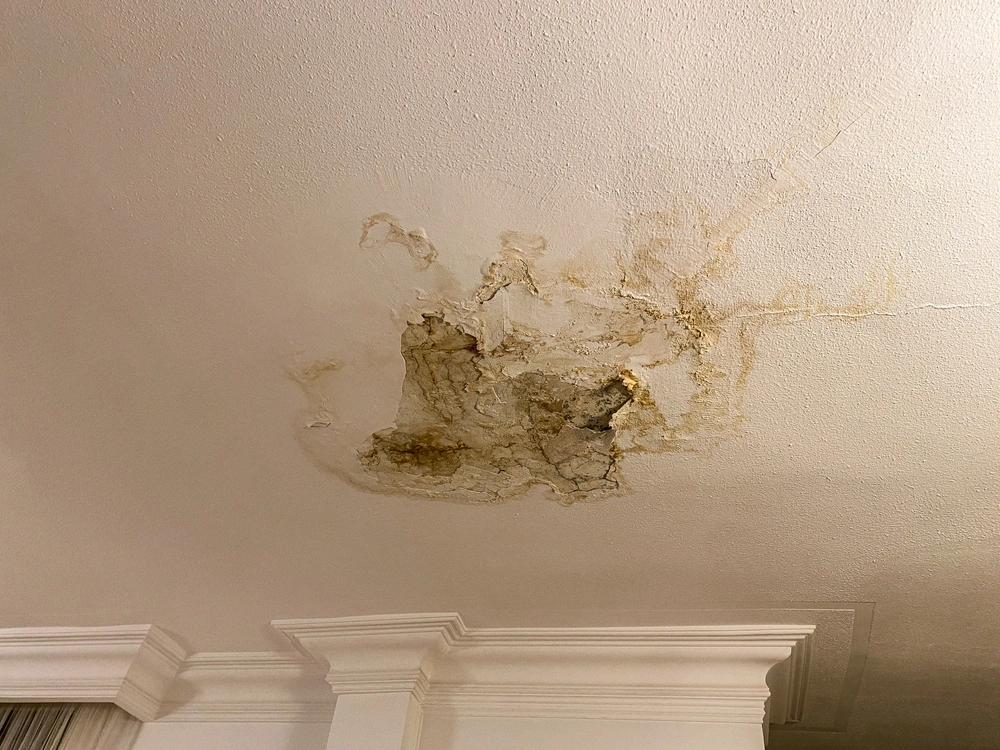
Visible Moisture, Staining or Structural Changes
Any unexplained damp patches on walls, ceilings or under floors can signal concealed leaks in old pipework or roof plumbing. Brown or yellow water stains around cornices or below bathrooms are common in older homes and usually point to leaking connections or failed waterproofing. Warped timber floors, blistering paint, bubbling plaster or persistent mould growth in bathrooms and adjoining rooms often indicate long-term moisture problems.
Outside the home, soggy patches in the yard during dry weather, unusually green strips of lawn or subsiding paving near the house can indicate leaking underground water or sewer lines. A steadily rising water bill without a change in usage is often the final confirmation that a hidden leak needs professional attention.
Repairing vs. Replacing Old Plumbing Systems
Homeowners often face the choice between patching up failing pipes or investing in a full plumbing upgrade. The right decision can save thousands of dollars and prevent repeat water damage, but it depends on the age, material and condition of the existing system, as well as local water conditions and council requirements.
Weighing the long-term cost of ongoing repairs against the upfront cost of replacement is essential. In many pre-1980s homes, original galvanised water lines and earthenware sewer pipes are now at or beyond their expected service life. When materials have deteriorated across multiple sections of the system, the decision becomes less about fixing one fault and more about improving overall reliability and safety.
When Repairing Old Plumbing Still Makes Sense
Targeted repairs are usually appropriate when problems are isolated and the rest of the system is in good shape. Typical examples include a single leaking fixture connection, a small section of corroded copper under a vanity or a localised tree root intrusion in an otherwise sound sewer line.
Repairs also suit homeowners planning to renovate or extend within a few years. In those cases, professionals suggest cost‑effective temporary fixes to keep the system safe and compliant until the larger work is done. Likewise, minor leaks caused by high water pressure can sometimes be resolved by installing or adjusting a pressure-limiting valve rather than replacing long pipe runs.
Clear Signs Replacement Is the Better Option
Replacement becomes the smarter and often cheaper long‑term option when issues are widespread or the pipe materials are at the end of their life. In many older homes, this includes:
- Galvanised steel water pipes that cause brown water, low pressure and frequent pinhole leaks
- Earthenware or old PVC sewer pipes with multiple cracks or repeated root intrusion
- Mixed patchwork systems from past renovations that are difficult to access or maintain
If a plumber is attending several times a year for different leaks or blockages, it is usually more cost-effective to replace the problem sections or even the entire run. Water hammer that persists after basic fixes, corrosion visible on multiple pipe sections or ongoing sewer smells despite cleaning are all strong indicators that the system is failing as a whole.
Cost, Practicality and Minimising Disruption
For most properties, replacement does not have to mean digging up the entire yard or slab. Modern methods, such as pipe relining for sewers or strategic rerouting of water lines through roof spaces, can significantly reduce disruption while improving long-term reliability.
When assessing replacement options, professionals typically compare:
- The expected remaining life of the existing pipes
- The total cost of likely repairs over the next five to ten years
- The risk and potential cost of water damage to floors, walls and foundations
Looking at these factors together helps homeowners make informed decisions rather than reacting to each new leak or blockage as an isolated problem.
Older homes offer character and history, but their plumbing systems often tell a different story. Ageing galvanised pipes, corroded copper lines, brittle earthenware drains, outdated hot water systems and legacy installations all create predictable patterns of wear in established suburbs.
The key is recognising these issues early. Small warning signs such as discoloured water, recurring blockages or unexplained damp patches are rarely isolated problems. They often signal ageing infrastructure that requires thoughtful assessment rather than repeated short-term fixes.
With proper inspection and a long-term plan, older plumbing systems can be upgraded in stages to improve reliability, safety and efficiency. When addressed proactively, even character homes with original pipework can continue to perform well for decades to come.

.webp)