

Common Causes of Low Water Pressure in Homes
Low water pressure can turn everyday tasks into frustrating chores. Showers feel weak, taps take longer to fill a sink and appliances such as dishwashers or washing machines may not perform as they should. At Plumbing Inspectors, we regularly investigate homes where low pressure is more than just an inconvenience. It is often an early warning sign of underlying plumbing issues that can lead to costly repairs if left unresolved.
In this article, Plumbing Inspectors explains the most common causes of low water pressure in homes and why they occur. From ageing pipework and hidden leaks to faulty pressure regulators, partially closed valves and problems with the incoming mains supply, several factors can restrict flow at fixtures. By understanding what typically sits behind pressure problems, homeowners can make informed decisions about inspections and repairs, and speak more confidently with an emergency plumber in Brisbane when professional assessment is needed.
Blocked or Corroded Pipes
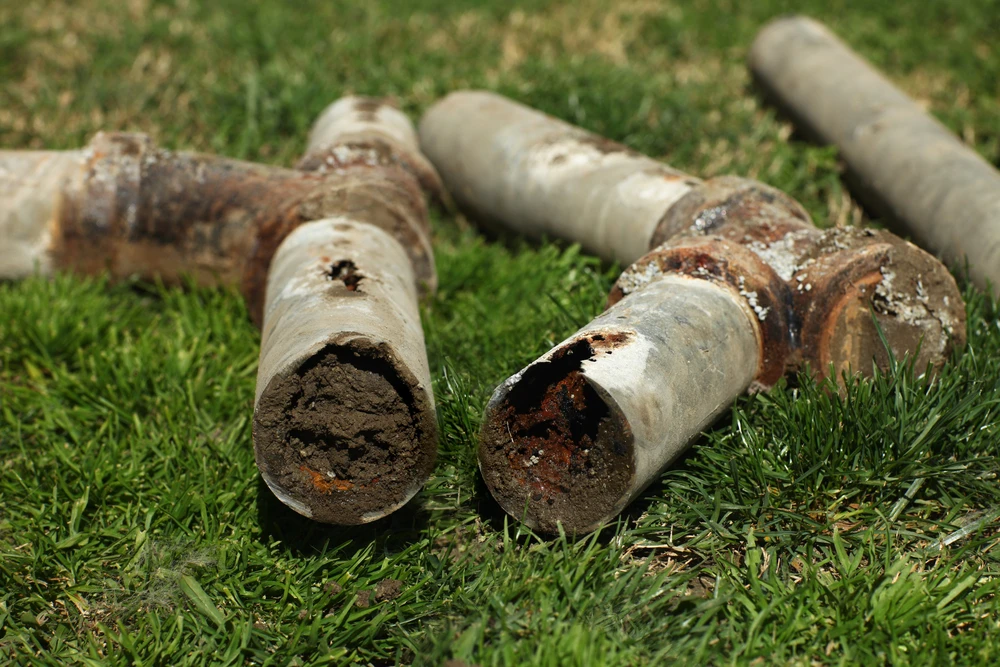
Blocked or corroded pipes are one of the most common underlying reasons for low water pressure in homes. Over time minerals rust, and general debris can slowly restrict the internal diameter of pipes, so less water can pass through at any one time. Professional plumbers often find that what feels like a sudden drop in pressure has in fact been building up for years inside the pipework.
When water flow is significantly reduced in only certain rooms or at specific fixtures, the cause is frequently a localised blockage or a section of badly corroded pipe. When the whole house is affected, including outdoor taps, the problem can be more widespread and may involve the main supply line into the property.
How Pipes Become Blocked or Corroded
In many homes older galvanised steel or iron pipes are particularly prone to internal corrosion. As the metal reacts with water, it produces rust that flakes off and collects inside the pipe. This rough interior surface catches more particles, which accelerates the buildup. Eventually the effective opening of the pipe can shrink to a fraction of its original size.
In areas with hard water, mineral deposits such as limescale can coat the inside of copper and plastic pipes. Sediment from a poorly maintained hot water cylinder can also travel through the system and lodge in elbows, valves and tap cartridges. Renovation work can introduce dirt and debris if pipes are left open or not flushed thoroughly before being put back into use.
Typical Signs in the Home
Blocked or corroded pipes usually cause a gradual decline in pressure rather than a sudden change. In many cases, the problem has been developing slowly inside the pipework long before it becomes noticeable.
Homeowners may observe:
- One bathroom has weak flow while others seem normal.
- Hot water pressure is poor but cold water remains acceptable.
- Taps splutter, or pressure briefly improves after the tap has been turned off and back on.
Brown or discoloured water that clears after running the tap can indicate rust or sediment within ageing pipes. A noticeable drop in pressure when more than one fixture is used at the same time often points to a restriction in the main internal supply lines.
To pinpoint the cause, pressure can be compared at different fixtures and tested across both hot and cold supplies. Differences between these readings help identify whether the restriction is localised to a single branch or affecting the broader internal pipework.
Inspection and Repair Options
To confirm blocked or corroded pipes, a professional may use pressure testing flow measurements and, where necessary, small inspection cameras inserted into accessible sections of pipe. Our team also checks the condition of isolation valves, flexible connectors and old fixture fittings, which can sometimes be the tightest pinch points.
Minor mineral build-up at a single fixture might be improved by cleaning or replacing aerators, tap cartridges or flexible hoses. However, once pipe walls are heavily corroded or scaled up, the only reliable solution is usually to replace the affected sections. This may involve:
- Replacing old galvanised or steel pipework with copper or approved plastic.
- Renewing the main supply line if it is found to be restricted.
- Rerouting new pipework for better flow and fewer sharp bends.
Professional plumbers can advise whether targeted repairs are sufficient or if a full or partial re‑pipe is the most sensible long-term option to restore proper water pressure.
Hidden Plumbing Leaks
Hidden leaks are one of the most common and most overlooked causes of low water pressure in homes. Water can escape behind walls, under floors or in the yard long before there are obvious signs, quietly reducing the volume and pressure available at taps and fixtures. Because these leaks are out of sight, many homeowners first notice the problem as weak showers or slow-filling toilets rather than visible water damage.
Our team explains below how hidden leaks affect pressure, the signs to look for and simple checks a homeowner can do before calling in a professional inspection.
How Hidden Leaks Reduce Water Pressure
Every leak steals some of the water that should be reaching fixtures. In a pressurised system, the more water that escapes through a leak, the lower the pressure at the point of use. A small pinhole in a copper pipe or PEX can reduce pressure at a single bathroom, while a larger underground leak near the metre can affect the entire property.
Leaks on the main supply line into the house are often the most disruptive. Water is lost before it ever reaches the internal distribution pipes, so every tap can feel weak. Interior leaks inside walls or ceilings usually affect the branch of piping that serves a particular room or level. For example, a hidden leak feeding an upstairs bathroom may leave that shower underpowered while fixtures on the ground floor still feel normal.
Common Signs of a Hidden Leak
Because most of the plumbing system is concealed, homeowners need to rely on indirect clues. Some of the more reliable indicators include:
- A noticeable drop in pressure at one or more fixtures that is not linked to municipal work or a visible problem.
- Unexplained increases in the water bill even when usage habits have not changed.
- Sounds of water running when all taps and appliances are turned off.
- Localised dampness, soft drywall, peeling paint or musty smells along walls, ceilings or floors.
- Warm or cold spots underfoot that match the route of domestic hot or cold water lines.
Outdoor signs can include constantly wet or muddy areas near the foundation or along the path from the water metre to the home, particularly during dry weather.
Simple Checks a Homeowner Can Do
Before calling a plumber or booking an inspection, a basic metre test can help identify leaks on the main supply. Turn off all taps, appliances and irrigation, then check the water metre. If the leak indicator is spinning or the reading changes over 15 to 30 minutes, there is likely a hidden leak in the system.
To narrow things down, turn off the main valve to the house while leaving the metre valve on. If the metre stops moving, the leak is probably inside the home. If it continues, the issue is usually in the underground service line from the metre to the building.
Leaks inside walls, ceilings or slabs should not be opened up by the homeowner. At this point, professional leak detection using acoustic tools, pressure testing or thermal imaging is the safest way for licensed plumbers to locate the fault with minimal damage and restore proper water pressure.
Partially Closed or Faulty Valves
Partially closed or faulty valves are one of the most common and easily overlooked causes of low water pressure in homes. If a main shutoff or internal isolation valve is not fully open, water flow is restricted and fixtures throughout the property can be affected. Our inspectors often find that pressure problems start soon after plumbing work or a DIY repair where a valve was not returned to the fully open position.
Understanding where these valves are located and how they should operate helps homeowners quickly rule out a simple cause before assuming there is a major pipe or supply issue. Trusted plumbers recommend a systematic check of key valves any time there is a sudden or unexplained drop in pressure.
Main Shutoff Valve Problems
The main shutoff valve controls the incoming water supply for the entire property. If it is closed even part of the way, all taps and fixtures may show weak flow, particularly on upper floors. This valve is typically located where the water line enters the home, such as near the water metre in a basement, crawl space or at an external wall.
Common issues include a gate valve that has been turned partway during a repair or a ball valve lever that is not aligned with the pipe. For most residential systems, a gate valve should be turned fully counterclockwise to open, and a ball valve handle should be in line with the pipe, not at a right angle. Corrosion-worn stems and seized handles can also prevent the valve from opening fully, which restricts flow even if the handle appears to be in the correct position.
Homeowners should avoid forcing a stuck valve, as this can cause leaks or break the stem. If a main shutoff will not move smoothly or will not open fully, it is advisable to have a licensed plumber repair or replace it and then check the pressure again once it is functioning correctly.
Internal Isolation and Fixture Valves
In addition to the main shutoff, most homes have isolation valves on branch lines and individual fixtures. These are often located under sinks, behind toilets, near water heaters and on lines feeding outdoor taps, appliances or irrigation systems. If one of these valves is partially closed, it can affect pressure at a single
fixture or on one section of the home.
Pressure issues that appear at only one tap, shower or toilet are often traced to these small angle stop valves. After maintenance such as replacing a faucet or toilet fill valve, it is easy to leave the handle slightly closed, which reduces flow. Mineral buildup in older valves can also obstruct the opening inside even when the handle is turned fully on.
Licensed emergency plumbers advise that checking each suspect valve handle is fully open and aligned correctly, then testing the fixture again. Where valves are corroded, leaking or very stiff, they should be replaced rather than forced. Regular inspection and exercising of these valves helps prevent sticking and ensures they operate properly when needed.
Pressure Reducing Valves and Faulty Operation
Many properties have a pressure-reducing valve, or PRV, installed on the main supply line to control high incoming pressure. If a PRV is misadjusted, malfunctioning or partially blocked, it can create low pressure throughout the home.
Signs of PRV problems include uniformly low pressure at all fixtures, slow-filling toilets and changes in pressure over time without any work being done on the plumbing system. The PRV is usually located shortly after the main shutoff or metre and has an adjustment screw or bolt on top. Adjustments should only be made with a pressure gauge attached so the resulting pressure can be verified at around the recommended 50 to 70 psi for most homes.
If adjustment does not restore normal pressure or the valve shows signs of corrosion or leakage, our team recommends replacement. A failing PRV is a frequent hidden cause of weak flow, and correcting it often restores consistent pressure throughout the property.
Pressure Regulator Issues
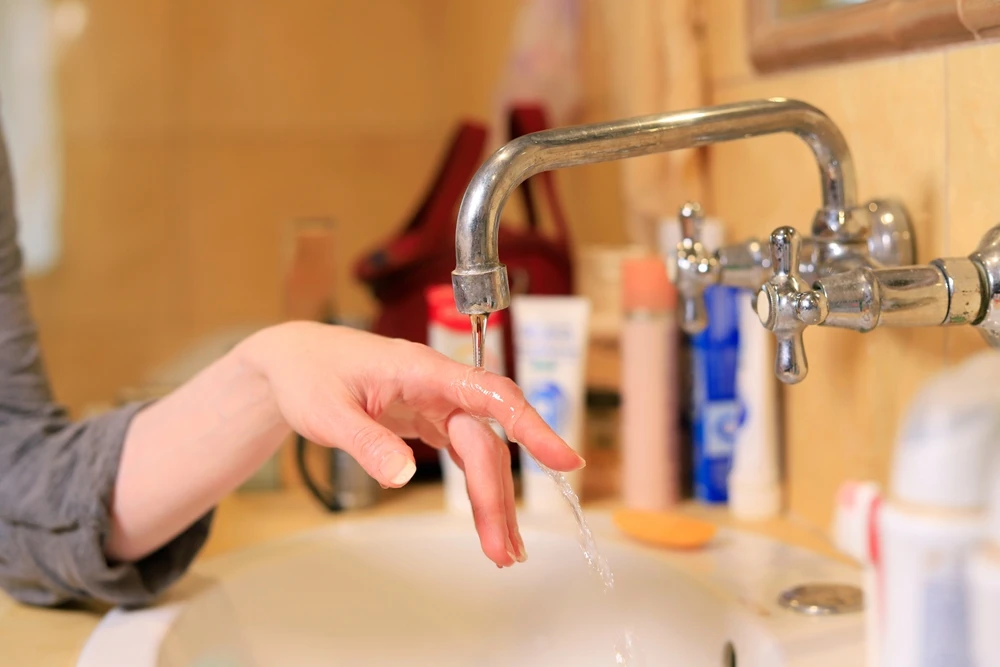
A faulty or misadjusted pressure regulator is one of the most common mechanical causes of low water pressure inside a home. The regulator is a bell-shaped valve usually located where the main water line enters the property, and its job is to reduce high street pressure to a safe, consistent level for domestic plumbing. When it stops working correctly, residents may notice a sudden or gradual drop in pressure throughout the house.
Our inspectors often find that pressure regulators either fail with age, become clogged with debris or were never set correctly for the property in the first place. Understanding how these valves work, what symptoms to look for and when to call a professional can help homeowners avoid damage to fixtures and unnecessary frustration with weak water flow.
What a Pressure Regulator Does
Municipal mains typically run at much higher pressures than most homes are designed to handle. A pressure regulator, also called a PRV or pressure-reducing valve, keeps incoming pressure within a safe range, usually between 50 and 75 psi. It automatically adjusts to changes in the street supply so that interior pressure stays relatively steady when neighbours use water or when the city system fluctuates.
If the regulator is working correctly, the homeowner should enjoy consistent pressure at different fixtures even when multiple taps are open. If it is failing, the whole house may experience symptoms such as slow-filling toilets, weak showers and reduced flow at exterior hose bibs that are downstream of the valve.
Signs of Regulator Failure or Misadjustment
Regulators tend to fail in two main ways. They either restrict flow too much, which causes low pressure, or they stop reducing pressure at all, which can create dangerously high pressure. For this section the focus is on low-pressure problems.
Common signs include:
- Low pressure at every fixture in the home rather than in just one room.
- A noticeable drop in pressure that occurs suddenly within a day or two.
- Pressure that starts normal then quickly falls off when a tap has been running for a short time.
Sometimes mineral scales or small bits of debris from the main line build up inside the regulator and prevent the internal diaphragm or spring from moving freely. Age is another factor since most regulators have a practical life of about 10 to 15 years depending on local water quality and usage. Once internal parts stiffen, crack or corrode, the valve may no longer allow adequate flow.
Safe Checks and When to Call a Professional
Homeowners can make a few safe observations before contacting a plumber or inspector. The first step is to locate the regulator, usually just after the main shutoff valve, often shaped like a round bell or dome on the incoming line. If the property has an outdoor hose connection before the regulator and another hose connection after it, they can compare the pressures. Strong pressure before the regulator with weak pressure after it is a strong indicator that the valve is at fault.
Pressure should always be measured with a gauge at an accessible hose bib or laundry tap to confirm the actual psi. If readings inside the home are below about 40 psi and the municipal supply is known to be normal, a faulty regulator is very likely. Homeowners should avoid opening the regulator body or attempting internal repairs since this can lead to leaks and code issues.
Water Supply and Metre-Related Problems
Low water pressure often starts before water even reaches the home’s internal plumbing. Issues with the municipal supply, the service line from the street or the water metre itself can all reduce pressure at every fixture. Trusted emergency plumbers help homeowners distinguish between a plumbing problem inside the property and a supply problem that needs attention at the boundary or by the local water authority.
When pressure is low throughout the entire home, including at outdoor taps, it is important to look at the incoming supply first. Simple checks at the metre and main shutoff can reveal whether the restriction is inside the house or on the supply side.
Municipal Supply and Neighbourhood Demand
If the municipal water main pressure is low, the home’s pressure will be low as well. This can be temporary or ongoing. Common causes include maintenance work on nearby mains, ageing city infrastructure, leaks in the street or deliberate pressure reductions by the water provider.
Homeowners often notice this most during peak demand times such as early morning or early evening when many neighbours are using water at once. If pressure improves at off-peak times, the issue is likely on the municipal side rather than within the home. In these cases, it is sensible to:
- Ask neighbours if they are experiencing similar low pressure.
- Check the water provider’s website or contact line for reported works or outages.
If the entire street is affected, only the water provider can correct the underlying main or pumping problems. A pressure-boosting system at an individual property can sometimes help, but only after confirming it is permitted by local regulations.
Service Line and Metre Restrictions
Between the city main and the home lie the service line and the water metre. Damage or deterioration here is a frequent cause of chronic low pressure.
Old galvanised steel service lines often corrode internally, which narrows the pipe and reduces flow. Tree roots, ground movement or previous digging can also kink or partially collapse the service pipe. Symptoms typically include low pressure at every fixture all the time regardless of demand patterns. The metre assembly itself can be a bottleneck. Internal metre components can become clogged with debris or scale, especially in older units. Some metres include integral check valves or strainers that can fail or clog.
Homeowners may notice:
- A visible pressure drop compared with neighbouring homes.
- A metre that hums or vibrates when water is running.
In most jurisdictions the water authority must repair or replace defective metres, while the property owner is responsible for the private service line. Professional plumbers can perform pressure tests before and after the metre to identify exactly where the drop occurs.
Main Shutoff Valves and Partially Closed Stops
Sometimes the problem is as simple as a valve that is not fully open. After repairs or metre changes, the main stop valve at the metre or the house shutoff can be left slightly closed, which throttles flow to the entire home.
Licensed emergency plumbers often check:
- The kerb stop or metre valve position
- The main internal shutoff valve where the supply enters the house
All main valves should typically be fully open for normal operation. If a valve is old or corroded, it can cause leaks, so inspection and adjustment are best carried out carefully by a qualified plumber.
Low water pressure is rarely just a minor inconvenience. In most homes it signals an underlying issue that deserves proper investigation. Whether the cause is ageing pipework, hidden leaks, partially closed valves, a failing pressure regulator or a restriction in the incoming supply line, the solution starts with identifying where the pressure loss is occurring.
Because multiple components can produce similar symptoms, a systematic approach is essential. Comparing hot and cold pressure, checking fixtures individually, testing at the metre and measuring actual psi readings all help narrow down the source of the problem. Addressing the correct cause prevents unnecessary repairs and ensures the plumbing system continues to operate safely and efficiently.
By understanding the common reasons behind low water pressure, homeowners are better equipped to recognise when the issue is simple and when it requires professional assessment. Early diagnosis not only restores comfortable water flow but also protects the long-term performance and reliability of the home’s plumbing system.

.webp)