

Burst Flexi Hoses: How to Prevent Costly Water Damage at Home
Burst flexi hoses are among the most common causes of unexpected water damage in Australian homes, yet they are often overlooked until something goes wrong. Hidden beneath sinks, behind toilets and near household appliances, these hoses remain under constant water pressure and may fail suddenly, causing extensive damage in a short period.
As trusted emergency plumbers in Brisbane, Plumbing Inspectors help homeowners identify ageing, damaged or incorrectly installed flexi hoses before they lead to expensive plumbing emergencies.
This article explains what flexi hoses are, why they fail and which warning signs homeowners should look for. It also covers when hoses may need to be replaced, how isolation valves and leak-detection devices can reduce water damage, and what to do if a flexi hose bursts.
What Are Flexi Hoses and Where Are They Used?
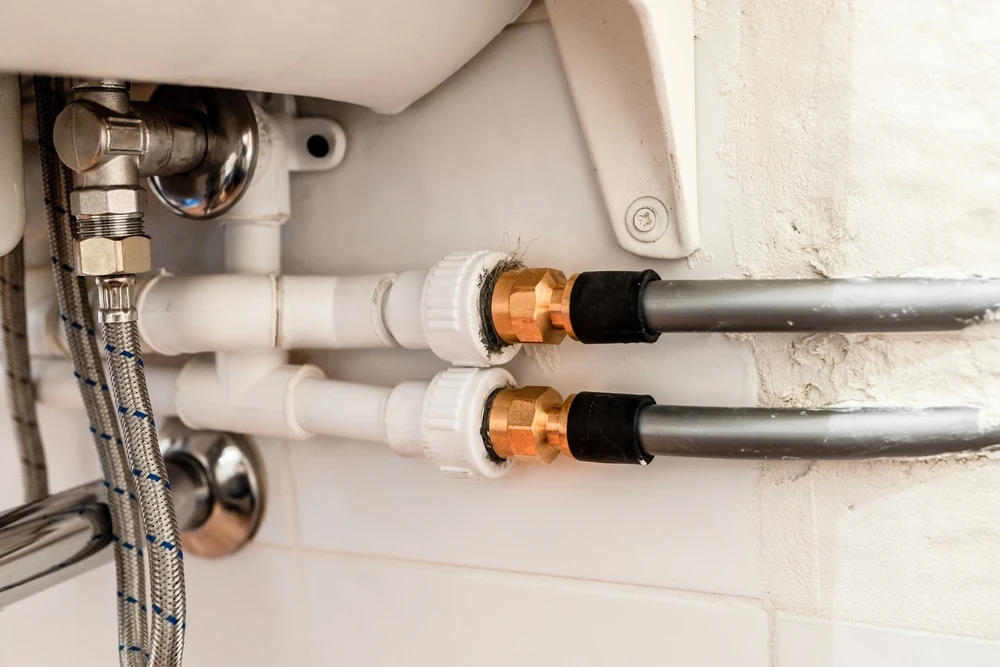
Flexi hoses are flexible braided water-supply hoses that connect household pipework to taps, toilets and certain appliances. Their flexibility makes them easier to install in confined spaces than rigid copper pipes, particularly where connections do not align perfectly.
Although flexi hoses are convenient, they are also a potential weak point in a plumbing system. Their inner lining, braided outer layer and end fittings can deteriorate due to age, pressure, corrosion, movement or incorrect installation.
What Is a Flexi Hose Made From?
A typical flexi hose consists of:
- A rubber or polymer inner tube that carries the water
- A braided stainless-steel outer layer that supports and protects the inner tube
- Metal fittings at each end that connect the hose to the fixture and water supply
- A product label or marking showing its pressure, temperature and manufacturing specifications
Approved hoses should be suitable for their intended use and carry the required WaterMark certification.
The braided layer helps the hose withstand water pressure, but it does not make the hose indestructible. Damage to the inner tube, braid or end fittings can allow the hose to split or separate.
Common Locations Inside a Home
Most modern homes contain several flexi hoses. Common locations include:
- Under bathroom vanities and kitchen sinks
- Between isolation valves and mixer taps
- Behind toilets, connecting the water supply to the cistern
- Near filtered-water or boiling-water units
- In laundries, particularly around washing machines and trough mixers
- Behind dishwashers
- Near plumbed refrigerators and ice makers
Many of these locations are hidden inside cabinetry or behind appliances, which means small leaks and early deterioration can remain unnoticed.
Why Flexi Hoses Are Widely Used
Flexi hoses are commonly used because they:
- Reduce installation time
- Fit into confined spaces
- Accommodate minor misalignment between fittings
- Allow fixtures to be replaced without cutting or soldering pipes
- Provide some flexibility when appliances or fixtures move slightly
However, widespread use also means a home may contain hoses of different ages, brands and conditions. Without regular checks, ageing hoses can become a preventable source of water damage.
Why Flexi Hoses Can Burst
Flexi hoses can fail suddenly, and some forms of internal deterioration may not be visible. However, many damaged hoses show warning signs such as corrosion, fraying, moisture, kinking or bulging before they burst.
The likelihood of failure depends on several factors, including the hose’s age, quality, installation, operating temperature, water pressure and exposure to moisture or cleaning products.
Ageing of the Inner Tube
The inner rubber or polymer tube carries water under continuous pressure. Over time, this material may harden, crack, blister or lose flexibility.
Deterioration may be accelerated by:
- Water temperatures above the hose’s rated limit
- Excessive or fluctuating water pressure
- Water quality and chemical exposure
- Constant stretching or twisting
- Sharp bends that place stress on one section
- Normal ageing of the material
Because the damage develops beneath the braided layer, the outside of the hose may appear intact. A bulge or fine leak may only become visible once the inner tube has significantly weakened.
Corrosion Beneath the Braided Layer
The stainless-steel braid protects the inner tube and helps restrain water pressure. However, moisture and chemicals can become trapped around the braid and end fittings.
Common causes include:
- Cleaning products stored beneath sinks or vanities
- Chemicals sprayed directly onto the hose
- Condensation in damp cupboards
- Small leaks that keep the fittings wet
- Poor ventilation around plumbing connections
As corrosion develops, individual strands of the braid may weaken or break. Once enough strands have deteriorated, the braid may no longer support the inner tube effectively.
Incorrect Installation
Even a relatively new flexi hose can fail if it has been installed incorrectly.
Common installation problems include:
- Sharp bends or kinks
- Twisting during installation
- Stretching the hose tightly between two fittings
- Using a hose that is too short or too long
- Allowing the hose to rub against cabinetry or pipework
- Overtightening or poorly aligning the end fittings
- Using a product that is unsuitable for the application
A flexi hose should generally form a smooth, relaxed curve without being stretched, compressed or twisted. Installation should follow the product manufacturer’s instructions.
Movement and Vibration
Building movement, cupboard use and appliance vibration can cause a flexi hose to flex repeatedly at the same point.
Possible sources of movement include:
- Washing-machine vibration
- Dishwashers shifting during operation
- Cupboard doors or stored items pressing against the hose
- Movement in timber floors or framing
- Fixtures that are not adequately secured
Repeated movement can weaken the braid, end fittings or inner tube and create a localised failure point.
Excessive Water Pressure
High water pressure places additional strain on flexi hoses, taps, valves and appliance connections. The higher the pressure, the greater the ongoing force placed on the inner tube and fittings.
A licensed plumber can test the property’s static water pressure and determine whether pressure control is required. Where pressure is excessive, a compliant pressure-limiting or pressure-reduction device may be recommended.
Warning Signs a Flexi Hose May Be Failing
A flexi hose should be inspected without pulling, twisting or attempting to tighten it. Homeowners can carry out a basic visual check, but damaged connections should be assessed and replaced by a licensed plumber.
Corrosion, Fraying or Bulging
Check the braided surface and metal fittings for:
- Brown or red rust staining
- Green corrosion around fittings
- Broken or frayed strands
- Areas where the braid appears loose
- Localised bulges or ballooning
- Cracks or damage near the end fittings
Bulging is a particularly serious warning sign because it may indicate that the inner tube is weakening and pushing outward against the braid. A bulging hose should not remain in service.
Moisture and Staining Around Connections
Small leaks may appear intermittently before a more serious failure occurs.
Look for:
- Beads of water around the hose or fitting
- Dampness inside the cupboard
- White or chalky mineral deposits
- Swollen or softened cabinetry
- Mould or musty odours
- Peeling paint or discolouration nearby
- Water marks beneath the connection
A dry tissue or paper towel can be lightly placed near the fitting to detect moisture. The hose should not be moved or manipulated during the check.
Moisture around a flexi hose may also indicate a problem elsewhere in the plumbing system. Homeowners should be familiar with the broader signs of a hidden water leak, including unexplained water stains, musty smells, mould growth, higher water bills and the sound of running water when fixtures are turned off.
Any sign of active leaking requires prompt attention rather than continued monitoring.
Kinking, Twisting or Stretching
The hose should form a smooth curve between its connection points.
Warning signs include:
- Sharp bends
- Tight loops
- Twisting along the hose
- Tension between the fittings
- Contact with sharp cabinet edges
- Compression from stored items
- Rubbing against other pipes or fittings
Mechanical stress can shorten the service life of a hose, even when it is relatively new.
Unknown Age or Installation History
Many flexi hoses are installed during renovations and then forgotten. If there is no visible manufacturing information or the installation date is unknown, the hose should be assessed based on its condition, location and likely age.
Many manufacturers provide a recommended service life, often within a range of approximately five to ten years. However, the correct replacement interval depends on the individual product, its installation and the conditions in which it operates.
Manufacturer instructions should always take priority over a general replacement timeframe.
When Flexi Hoses Should Be Inspected or Replaced
Inspection should not wait until a visible leak develops. Some deterioration occurs internally or beneath the braided layer.
Recommended Inspection Frequency
As a general household maintenance measure, accessible flexi hoses should be visually checked every six to twelve months.
More frequent checks may be appropriate in higher-risk locations, such as:
- Upstairs bathrooms
- Kitchens above living areas
- Behind dishwashers and refrigerators
- Holiday homes or properties left vacant
- Rental properties
- Areas that are rarely accessed
- Locations where a leak could spread unnoticed
Flexi hoses should also be checked whenever an appliance or fixture is moved, serviced or replaced.
When Replacement Should Be Prioritised
A licensed plumber should assess or replace a hose when there is:
- Visible corrosion
- Fraying or broken braid strands
- Bulging
- Active leaking or persistent dampness
- A sharp kink or significant twist
- Damage to an end fitting
- Evidence that the hose is under tension
- An unknown installation history combined with signs of ageing
- A product that is unsuitable or not appropriately approved
Replacement may also be advisable when a hose has reached the manufacturer’s recommended service life, even if there are no obvious external defects.
During a kitchen, bathroom or laundry renovation, replacing older flexi hoses is often a sensible precaution. The cost of new hoses is usually minor compared with the potential damage caused by fitting new fixtures to ageing connections.
How to Reduce the Risk of Water Damage
No flexi hose can be guaranteed to last indefinitely. The most effective approach combines correct installation, regular inspection, planned replacement and appropriate protective devices.
Use Suitable, Approved Products
When a fixture or appliance is installed, the hose should be:
- WaterMark certified where required
- Suitable for the intended water temperature and pressure
- The correct length for the connection
- Installed according to the manufacturer’s instructions
- Free from twisting, stretching and sharp bends
Cheap, unbranded or unsuitable hoses may contain lower-quality materials or poorly manufactured fittings.
A licensed plumber can select an appropriate product and ensure it is installed correctly.
Keep Cleaning Products Away From Hoses
Cleaning chemicals can damage metal fittings and contribute to corrosion.
To reduce the risk:
- Avoid spraying chemicals directly onto hoses or fittings
- Do not store leaking containers near plumbing connections
- Wipe up spills promptly
- Keep cupboards dry and ventilated
- Avoid placing heavy or sharp items against hoses
Routine household storage habits can make a significant difference to the condition of concealed plumbing components.
Control Excessive Water Pressure
A licensed plumber can test water pressure and assess whether a pressure-control device is needed.
Managing excessive pressure can reduce stress on:
- Flexi hoses
- Taps and mixers
- Toilet valves
- Appliance connections
- Hot-water system components
- Other plumbing fixtures
Pressure requirements depend on the plumbing system and applicable standards, so testing and corrective work should be completed by a qualified professional.
Install Accessible Isolation Valves
Isolation valves allow water to an individual fixture or appliance to be turned off without shutting down the entire property.
They are commonly installed near:
- Basins
- Kitchen sinks
- Toilets
- Washing machines
- Dishwashers
- Filtered-water systems
Isolation valves should be accessible and functional. A valve that is seized, hidden or damaged may be difficult to operate during an emergency.
Household occupants should also know where the main water isolation valve is located and how to operate it safely.
When leaving a property vacant, a plumber can provide advice on whether particular fixtures or the main water supply should be isolated. The appropriate approach will depend on the property, appliances and plumbing system.
Consider Leak-Detection Devices
In areas where a burst hose could cause extensive damage, water-leak detection provides an additional layer of protection.
Available options include:
- Battery-powered water alarms
- Smart leak sensors that send phone notifications
- Automatic shutoff systems that close the water supply after detecting a leak
- Appliance-specific safety valves
- Monitored systems for holiday homes or rental properties
Simple alarms can provide an early warning when someone is present. Automatic shutoff systems may offer greater protection when a property is unattended.
Protect High-Risk Areas
Under-sink trays and waterproof cabinet liners cannot prevent a hose from bursting, but they may help contain a small leak long enough for it to be noticed.
Waterproof membranes, leak sensors and accessible isolation valves are particularly useful in:
- Upper-floor bathrooms
- Kitchens above finished living spaces
- Apartments
- Holiday properties
- Areas containing timber flooring or custom cabinetry
These measures are most effective when combined with regular inspections and timely hose replacement.
Why Professional Plumbing Inspections Matter
Homeowners can identify obvious warning signs, but professional plumbing inspections provide a more complete assessment of flexi hoses and surrounding connections.
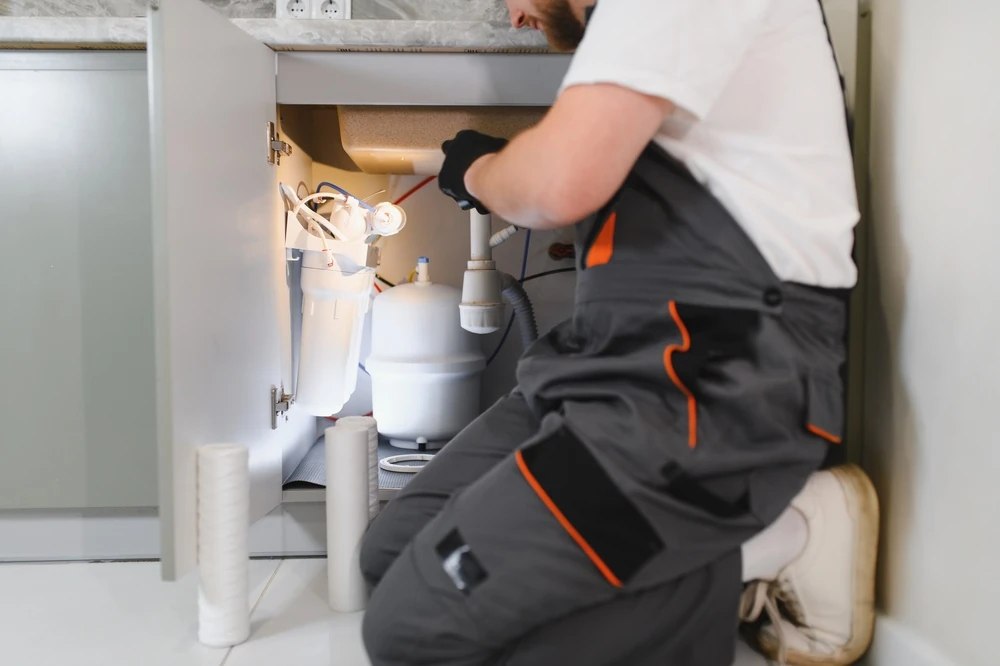
A licensed plumber or plumbing inspector can assess:
- The condition of the braid and end fittings
- Evidence of hidden moisture
- Kinking, twisting or stretching
- Whether the hose is the correct type and length
- The accessibility and operation of isolation valves
- Water pressure
- The condition of nearby plumbing components
- Signs of previous DIY or unlicensed work
Identifying Problems That Are Easy to Miss
Flexi hoses are often installed in dark, confined or difficult-to-access locations. Early leakage may be hidden behind cabinetry or appliances.
A professional inspection may identify:
- Mineral deposits around a slow leak
- Corrosion developing behind a fitting
- Tension caused by incorrect hose length
- Inadequate support
- Poor alignment
- Ageing hoses that should be placed on a planned replacement schedule
Detecting these problems early allows repairs to be organised before a sudden failure causes extensive damage.
Checking Installation and Compliance
Incorrect installation can contribute to premature hose failure.
An inspection can confirm whether:
- The hose has been installed without kinks or twisting
- The fittings are correctly aligned
- The product is appropriate for the application
- Isolation valves are accessible
- The connection appears to comply with relevant requirements
- Unlicensed or poor-quality work may be present
Where substandard work is found, rectifying it promptly can reduce risk and improve the reliability of the plumbing system.
Keeping Maintenance Records
Homeowners, landlords and property managers may benefit from keeping records of:
- Plumbing inspections
- Flexi hose replacements
- Product information
- Repair invoices
- Installation dates
- Photographs of completed work
An insurer may consider the cause of the damage, the condition of the plumbing and the maintenance history when assessing a claim. However, coverage depends on the wording, exclusions and conditions of the individual insurance policy.
Maintenance records do not guarantee that a claim will be accepted, but they may help demonstrate that reasonable care has been taken.
What to Do If a Flexi Hose Bursts
A burst flexi hose can release a large volume of water in a short period. Acting quickly can reduce damage, but personal safety must always come first.

Turn Off the Water Supply
If the leaking fixture has an accessible isolation valve, turn it off immediately.
If the valve:
- Cannot be reached safely
- Does not stop the water
- Is damaged or seized
- Is not installed
Turn off the property’s main water supply at the water meter.
Every household should know the location of the main isolation valve before an emergency occurs.
Homeowners should also understand the responsibility for plumbing problems within their property and when the issue should be reported to Urban Utilities instead of a private plumber.
Do not attempt to remove, tighten or repair a hose while the water supply is still operating.
Stay Clear of Electrical Hazards
Water and electricity are a dangerous combination.
If water has reached electrical outlets, appliances, extension leads or the switchboard:
- Do not touch electrical equipment
- Do not enter standing water
- Keep other people and pets away
- Switch off electricity only if the main switch can be reached without entering the affected area or touching wet equipment
If the area cannot be approached safely, contact emergency services or a licensed emergency electrician for advice and assistance.
Reduce the Spread of Water
Once the water has been isolated and the area is electrically safe, begin removing water where practical.
Steps may include:
- Moving furniture, rugs and belongings away from the leak
- Using towels, mops or buckets
- Using a wet vacuum where it is safe to do so
- Opening doors and windows
- Using fans or dehumidifiers after electrical safety has been confirmed
- Removing wet items from enclosed cupboards
- Avoiding use of the damaged fixture
Prompt drying can reduce swelling, mould growth and long-term damage to floors, walls and cabinetry.
Contact a Licensed Plumber
A burst flexi hose should not be repaired with tape, sealant or another temporary material.
A licensed plumber should:
- Replace the failed hose
- Inspect the fittings and isolation valve
- Check nearby hoses for similar deterioration
- Identify possible pressure or installation problems
- Confirm that the fixture can be used safely
Where one ageing hose has failed, it may be sensible to inspect other hoses installed at the same time.
Document the Damage and Contact the Insurer
Where significant damage has occurred, contact the insurer as soon as practical.
Before discarding damaged items or completing extensive cleanup, take photographs of:
- The burst hose
- The failed connection
- Affected rooms
- Damaged flooring, walls or cabinetry
- Damaged furniture and belongings
Keep copies of plumbing reports, repair invoices and replacement records. The insurer can explain the evidence required under the relevant policy.
Protecting Your Home From Flexi Hose Failure
Flexi hoses are small plumbing components, but their failure can cause extensive water damage, electrical hazards and major disruption. While some internal deterioration may be difficult to see, regular checks can identify common warning signs such as corrosion, fraying, bulging, moisture, kinking and poor installation.
Homeowners can reduce the risk by using approved products, following manufacturer replacement recommendations, controlling excessive water pressure and keeping isolation valves accessible. Leak-detection devices can provide additional protection in high-risk or unattended properties.
Plumbing Inspectors encourages Brisbane homeowners to include flexi hoses in their regular plumbing maintenance. Through professional inspections, timely replacement and practical advice, Plumbing Inspectors can identify potential problems early and help reduce the likelihood of an unexpected plumbing emergency.

.webp)