

Understanding Backflow Prevention: Protecting Brisbane’s Water Supply
Water should always move in one direction, but harmful substances can flow back into the supply when pressure changes occur in a plumbing system. Many people do not realise how quickly this can lead to contamination until something goes wrong. According to our professionals at Plumbing Inspectors, contamination entering drinking water can create serious health concerns for homes and businesses, which is why working with a qualified plumber in Brisbane is essential for proper backflow prevention.
Backflow devices are designed to stop dirty water from returning into clean lines when pressure shifts unexpectedly. These systems are especially important in places with high water use or chemical exposure. By ensuring they are correctly installed, tested and maintained, property owners can safeguard their water supply and enjoy reliable protection all year round.
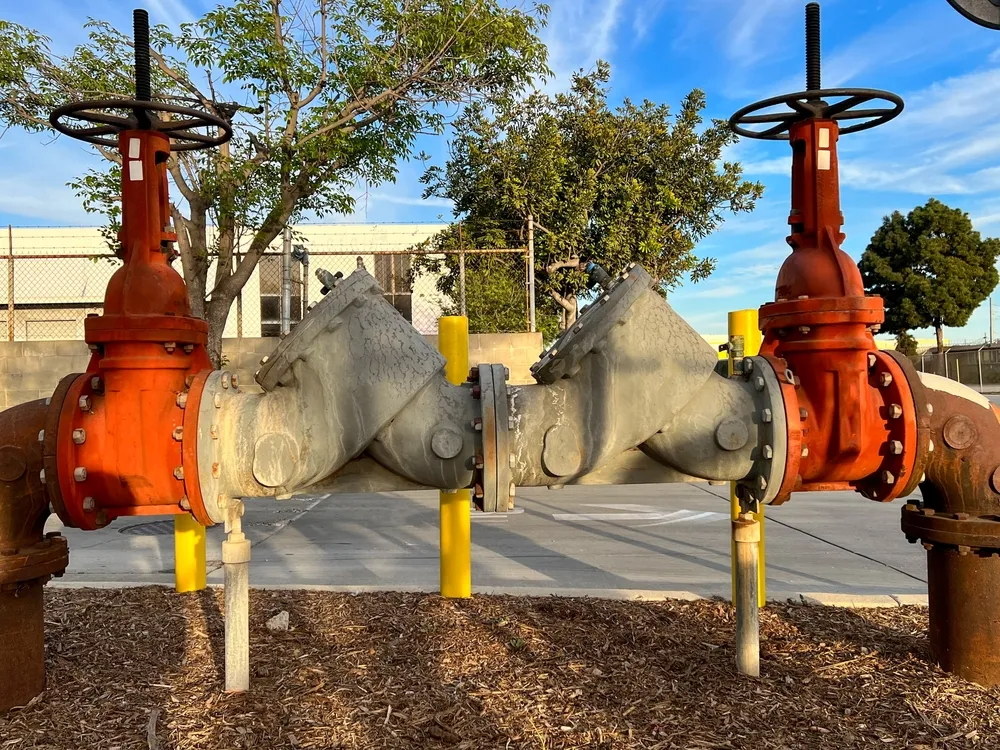
What Backflow Is and Why It’s a Serious Risk
Backflow happens when water pressure drops and contaminated water is pushed into clean lines, which can lead to health risks for anyone using that supply. It is a concern for residential and commercial properties because even the smallest cross connection can allow chemicals or bacteria to enter drinking sources. Many devices and fixtures around a home or business can create these hidden pathways without owners realising. Staying aware of the risks ensures people take backflow prevention seriously and follow the measures required to keep water safe.
How Contamination Occurs in Plumbing Systems
Contamination happens when pressure changes allow dirty water to travel backwards through pipes, introducing harmful chemicals or waste into fresh water used for drinking or cooking.
- Back siphonage occurs when negative pressure pulls polluted water into lines that would normally only carry clean water (which can easily happen during a break in the main supply), causing an unexpected reversal.
- Back pressure happens when equipment creates stronger pressure inside a building, pushing unclean water into the supply line where it should never be located at any point.
- Cross connections like hoses submerged in pools or irrigation systems linked to drinking lines create direct paths for contaminants to spread if prevention devices are not in working order.
Everyday Risks That Can Trigger Pressure Changes
Common situations can cause shifts in water pressure without warning, placing buildings at risk if proper devices are not installed.
- Firefighting activities or bursts in public mains can instantly create suction that pulls water backwards through pipes and into the shared supply, which happens more often than many expect.
- Industrial machinery using high-pressure water for cleaning or processing can push chemicals towards drinking lines if not protected, leading to contamination spreading quickly.
- Seasonal demand increases or high water usage within a building can cause pressure surges that reverse flow inside old or poorly designed plumbing layouts.
Health and Property Problems Caused by Backflow
When contamination enters any water supply, the results can affect both people and infrastructure in a serious way.
- Bacterial chemicals or waste entering drinking lines can lead to illness that affects everyone in the property, creating costly medical concerns that could have been avoided with prevention in place.
- Corrosive or dirty backflow can damage fixtures or pipes and appliances, resulting in repairs that exceed what it would cost to maintain prevention devices properly.
- Businesses can lose revenue and reputation if customers or employees are harmed by unsafe water, reinforcing why prevention is a smart long-term safeguard.
Legal Requirements for Backflow Devices in Queensland
Local laws require that property owners ensure their water systems do not harm the shared supply because everyone depends on safe drinking water. To achieve this, the government sets strict rules that must be followed (especially for commercial buildings or properties using chemicals or large irrigation systems). Keeping up with the required standards avoids fines and ensures a property remains fully compliant all year long. Working with a licensed expert gives owners confidence that inspections and paperwork are handled correctly.
Who Needs Annual Testing and Certification?
Testing ensures that devices are functioning properly and providing the protection they were designed to give.
- Any property with irrigation systems or fire suppression equipment must have yearly certification to prove safety standards are being maintained to help protect the surrounding community.
- Residential and commercial properties must meet strict inspection schedules to reduce the risk of contaminated water moving into the main supply.
- Certification records provide clear proof of compliance, keeping owners safe from penalties while demonstrating that the property cares about public health.
Documentation Requirements for Property Owners
Record keeping is an important part of staying compliant because authorities rely on paperwork to ensure every system has been tested.
- Owners must submit backflow device certificates each year which confirm that inspections were completed by a qualified professional and that the equipment is in reliable condition.
- Missing documents can lead to follow-up investigations that become stressful and time-consuming for businesses trying to keep everything running smoothly.
- Keeping organised records also helps when selling or leasing a property because buyers appreciate evidence of proper system maintenance.
Consequences of Ignoring Regulations
Not following the rules can create major issues that affect both safety and finances.
- Authorities can issue fines for non-compliance, adding unnecessary expenses for property owners who ignore required testing.
- If contamination spreads to neighbouring supplies, the responsible property may be held liable for damage and illness (this eventually becomes a much bigger problem over time).
- Insurance can be impacted when preventative responsibilities are not met, meaning owners may struggle to claim costs when repairs or contamination events occur.
Different Types of Backflow Prevention Devices
There are several types of prevention devices available, and each one is designed to protect specific situations depending on risk level and how a property uses its water. Understanding the differences helps owners choose the right solution that delivers strong protection while meeting regulatory requirements. Installation must be done correctly to ensure the device works in any emergency or pressure change. Routine checks keep everything operating smoothly so harmful substances never enter clean lines.
Selecting the Right Device for Commercial or Multi-Unit Properties
Larger properties need stronger and more advanced options because they face higher risks and bigger water demands.
- Reduced pressure zone devices provide strong protection in places where chemicals or industrial machinery are used, making sure that the water supply does not become contaminated during high-pressure events.
- Double check valves are commonly used for moderate-risk properties because they stop backwards flow effectively while remaining easier to service compared to more complex systems.
- Air gaps are simple yet highly reliable because they physically separate clean water from potential sources of pollution, making them perfect for many commercial setups.
Protecting Outdoor Fixtures and Irrigation Setups
Garden systems and external taps can create direct connections to untreated water or chemicals used outdoors.
- Vacuum breakers offer protection by blocking water from reversing through lines, especially in hose systems or sprinklers that are often left submerged in pools or buckets.
- Irrigation systems require dedicated devices to stop fertiliser or soil bacteria from entering drinking lines, keeping both gardens and people safe.
- Regular checks ensure these devices stay reliable through changing seasons or weather conditions, preventing hidden leaks or backflow events.
Device Placement and Installation Considerations
Correct placement helps prevention devices work at their best and remain easy to maintain.
- Devices must be installed in accessible locations so regular testing can be completed efficiently without disruptions to building operations.
- Placement must consider height and distance from potential contamination sources because proper positioning helps ensure consistent protection during pressure changes.
- Choosing professional installation avoids costly mistakes that could result in the device failing at the exact moment it is needed most.
How Regular Backflow Testing Safeguards Your Property
Yearly inspections play a major role in keeping water free from risks because a device cannot be trusted if it is not properly maintained. Even small internal parts can wear out over time, which means unnoticed failures may place buildings at risk without any visible signs. Certified testers have specialised tools and knowledge to identify issues early. Staying up to date with testing protects your health and helps keep everything running smoothly.
Compliance Liability and Peace of Mind
Knowing that a building is protected and fully compliant removes stress for owners and managers.
- Testing reduces the chance of unexpected contamination events, avoiding expensive emergency repairs and health concerns for anyone using the water.
- Certification proves that a property is meeting all required safety standards, preventing legal issues or penalties from coming up.
- Peace of mind allows owners to focus on running their business while knowing that the water supply will always remain safe.
Extending the Lifespan of Prevention Equipment
Well-maintained devices stay reliable for many years, which helps control maintenance costs.
- Testing identifies worn or damaged parts early, preventing complete failures that require emergency replacement and disruption to water services.
- Clean internal components ensure the device operates smoothly in any situation with no strain from clogged valves or debris.
- Regular support helps owners plan future upgrades before problems occur, keeping everything budget-friendly.
Protecting Customers and Staff
Maintaining safe water does more than follow rules because it protects the wellbeing of everyone inside a property.
- Clean water prevents sickness that can spread quickly in places where many people gather, such as workplaces or homes.
- Properties can continue operating without health-related interruptions, avoiding downtime that affects income.
- Showing commitment to water safety builds trust because people feel better knowing that management cares about their health.
Backflow prevention is not something to ignore because safe water is essential to daily living, and every property user deserves confidence when they turn on a tap. By understanding the risks and staying compliant with laws, property owners protect both their health and their investment.
Plumbing Inspectors supports property owners by offering reliable testing certification and expert advice that keeps water systems secure so everyone can continue to enjoy strong protection and complete peace of mind for years.

.webp)