

Plumbing Emergencies Brisbane Homeowners Should Be Prepared For
Plumbing emergencies rarely happen at convenient times. A burst pipe during a storm, a sewer backup after heavy rain, or a hot water system failure early in the morning can quickly disrupt a household and cause costly damage. In Brisbane, these situations are often influenced by intense weather, shifting soils and a mix of ageing and modern plumbing systems, which is why many homeowners suddenly find themselves searching for emergency plumbers in Brisbane when problems escalate.
At Plumbing Inspectors, we regularly assess Brisbane homes after these urgent situations and often find that early warning signs were present well before the failure occurred. Understanding the most common emergencies, knowing how to respond safely and taking simple preventative steps can significantly reduce damage and stress when problems arise.

The Plumbing Emergencies Most Common in Brisbane Homes
Brisbane’s plumbing emergencies are rarely random. They tend to follow predictable patterns driven by the city’s climate, soil conditions, infrastructure age and seasonal weather extremes. Understanding why these emergencies occur helps homeowners recognise early warning signs and act before damage escalates.
Rather than isolated incidents, many emergency call-outs stem from systems already under strain that finally fail during storms, heavy usage or sudden environmental changes.
Burst Pipes From Older Plumbing and Shifting Soil
Many Brisbane homes, particularly in established suburbs, still rely on ageing copper, galvanised steel or early PVC piping. Over time, these materials weaken due to corrosion, mineral buildup, fluctuating water pressure and normal wear at joints and fittings.
Brisbane’s clay-based soils expand during heavy rainfall and contract during extended dry periods. This repeated movement places stress on underground pipes, especially where pipe bedding has degraded or where joints were installed decades ago using older methods. When dry conditions are followed by sudden downpours, pipes already under tension can crack or rupture without warning.
Common early indicators homeowners often overlook include:
- subtle pressure fluctuations at taps
- intermittent discolouration in water
- soft or sinking patches in the yard near plumbing runs
Once a pipe fails, water can spread rapidly through wall cavities, subfloors and ceilings, turning a small rupture into widespread structural damage within minutes if not isolated quickly.
Stormwater Overflows and Flood-Driven Backups
Brisbane storms are short, intense and capable of overwhelming drainage systems very quickly. Roof gutters, downpipes and stormwater drains are designed to manage average rainfall, but become vulnerable when blocked by leaves, sediment, or tree root intrusion.
During heavy rainfall, stormwater seeks the lowest available exit point. If underground drains are restricted, water can rise through grates, overflow near foundations or enter ground-level rooms. Homes built on sloping blocks, with split-level designs or near natural watercourses, are especially exposed during storm season.
A common issue in Brisbane is the accumulation of debris during dry months, followed by sudden rain that mobilises this material into drainage lines. Without regular inspection and clearing, even newer systems can fail under pressure.
Sewer Surcharges During Intense Rainfall and King Tides
In low-lying Brisbane suburbs and areas close to rivers or the coastline, sewer infrastructure can become overloaded during prolonged rainfall or king tide events. When groundwater levels rise, sewer systems may struggle to discharge efficiently, causing wastewater to push back toward residential properties.
This backflow often enters homes through toilets, showers or floor drains, sometimes without warning. Early signs such as gurgling sounds, slow drainage or unexplained water in normally dry fixtures should never be ignored.
Sewer surcharges pose serious health risks due to contamination and require immediate professional intervention. Attempting DIY solutions or delaying response can worsen property damage and create unsafe living conditions.
Hot Water System Failures in High-Demand Households
Hot water systems are one of the most heavily used plumbing components in Brisbane homes. Increased indoor usage during cooler months, combined with mineral-rich water and fluctuating pressure, accelerates wear on tanks, valves and heating elements.
Older storage systems are particularly prone to corrosion, pressure relief valve failures and internal leaks. These issues often develop gradually before failing suddenly, leading to water pooling around the unit, damp walls or complete loss of hot water.
In some cases, electrical faults or pressure imbalances triggered during storms can cause systems to shut down or fail altogether. Left unaddressed, leaking hot water units can damage flooring, cabinetry and structural timbers.
Why These Emergencies Often Happen Together
It’s common for Brisbane plumbers to see multiple issues during the same weather event. Heavy rain can simultaneously stress stormwater systems, shift soil around ageing pipes and overload sewer networks. When combined with older plumbing materials or deferred maintenance, emergencies are far more likely to occur.
Recognising these patterns allows homeowners to take preventative steps well before problems reach crisis point.
Immediate Steps to Take Before the Plumber Arrives
When a plumbing emergency unfolds, the first few minutes often determine whether the issue remains manageable or escalates into widespread property damage. While professional repairs are essential, the actions homeowners take while waiting for help can significantly reduce water spread, safety risks and repair costs.
Knowing what to do, and just as importantly what not to do, helps maintain control during an otherwise stressful situation.
How to Shut Off Water, Gas and Power Safely
Stopping the flow of water is the single most important step during most plumbing emergencies. Every Brisbane homeowner should know the location of their main water shutoff valve and how to operate it. In many homes, this valve is located near the front boundary, water meter or an external wall.
Turning off the main supply prevents continued water release from burst pipes, failed fixtures or leaking appliances. In multi-storey homes, isolating water quickly also reduces the risk of water travelling downward into ceilings and wall cavities.
If the emergency involves a hot water system, power to the unit should be switched off at the electrical board to prevent damage to heating elements or electrical components. If a gas smell is present, the gas supply should be turned off at the meter and occupants should move to a well-ventilated area until professionals arrive.
Preventing Electrical Hazards During Flooding
Water and electricity create serious safety hazards when combined. During flooding or internal water leaks, avoid walking through pooled water where electrical appliances, power points or extension leads may be submerged.
Homeowners should never attempt to unplug appliances while standing in water. If it is safe to do so from a dry location, power to affected areas should be switched off at the switchboard. This reduces the risk of electric shock and helps prevent further damage to wiring, appliances and safety switches.
Even after water recedes, damp electrical systems can remain unsafe. Electrical components should only be inspected and restored by licensed professionals once the area has fully dried.
What to Do if Water Is Entering Through Drains
Water rising from toilets, showers or floor drains often indicates a blockage or surcharge within the sewer or stormwater system. Flushing toilets or running taps in this situation can force more water into already overloaded pipes and worsen internal flooding.
Keeping people and pets away from affected areas is critical, particularly if wastewater is involved. Sewer water contains harmful bacteria and contaminants and should never be handled without protective equipment.
Temporary barriers such as towels, sandbags or absorbent materials can help slow water spread until a plumber can identify and isolate the underlying cause.
Quick Actions That Minimise Structural and Property Damage
Once immediate safety risks are controlled, small practical steps can significantly reduce long-term damage. Water spreads quickly through porous materials such as carpets, plasterboard and timber, so early containment is important.
Effective actions include:
- moving furniture, rugs and personal belongings away from wet areas
- using buckets or towels to collect active leaks
- opening windows and doors to increase airflow and reduce humidity
- taking photos of affected areas for insurance purposes
These steps help limit moisture absorption, reduce mould risk and support faster drying once repairs are completed.
Common Mistakes That Make Emergencies Worse
In the panic of an emergency, well-intended actions can sometimes cause more harm. Attempting DIY repairs on burst pipes, clearing drains with household chemicals or delaying professional help in the hope the issue resolves can all increase damage and safety risks.
Understanding when to act and when to wait for qualified assistance protects both the home and its occupants.
Why Preparation Makes These Steps Easier
Homeowners who know where shutoff points are located, have basic supplies on hand and understand common emergency responses tend to act faster and with less stress. Preparation does not prevent emergencies, but it does reduce confusion and helps limit avoidable damage.
Essential Emergency Supplies for Brisbane Households
Plumbing emergencies are far easier to manage when basic supplies are already on hand. During storms or widespread flooding, access to shops or immediate professional help may be delayed. Having the right items available allows homeowners to respond calmly, contain damage and stay safe while waiting for assistance.
Preparation is particularly important in Brisbane, where severe weather events can affect entire suburbs at once.
Tools That Help Contain Leaks and Reduce Loss
A small set of practical tools can significantly limit water damage during the early stages of an emergency. These items do not replace professional repairs, but they can slow the spread of water and protect vulnerable areas of the home.
Useful items to keep accessible include:
- an adjustable wrench for operating shutoff valves
- waterproof sealing or repair tape for temporary leak control
- strong buckets and absorbent towels
- a wet and dry vacuum for water removal
- a reliable torch with spare batteries
These tools are especially helpful during night-time emergencies or power outages, which are common during Brisbane storms.
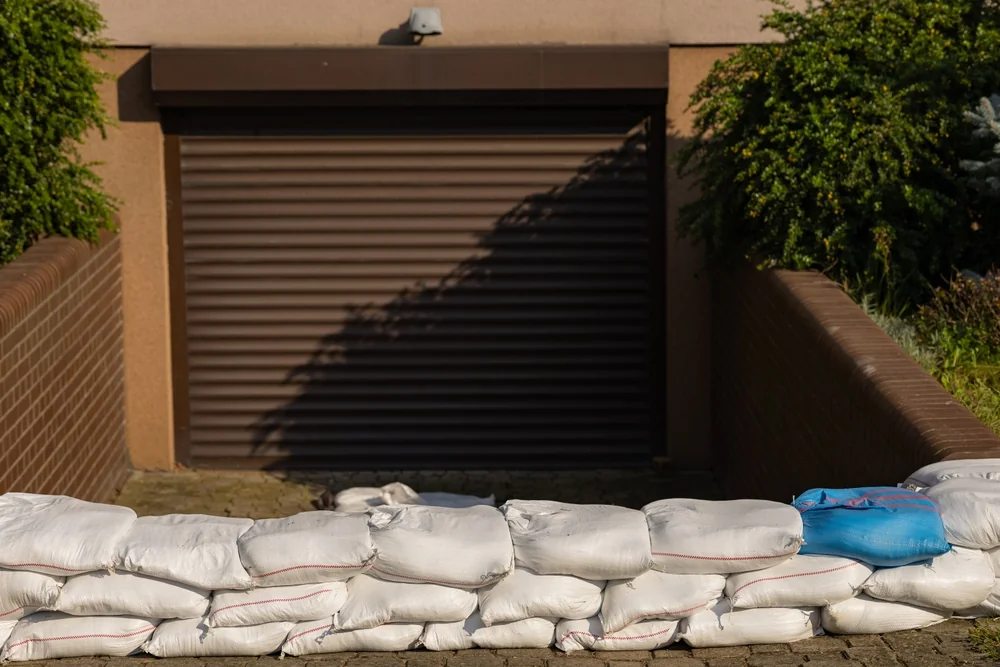
Items Every Household Should Have During Storm Season
Queensland storm events often affect more than just plumbing. Heavy rain, wind and power outages can occur together, making it important to plan beyond water containment alone.
Recommended household items include:
- sandbags or water barriers for doorways and garage entries
- plastic sheeting for temporary protection of furniture or flooring
- bottled drinking water in case mains supply is disrupted
- portable lighting or battery-powered lanterns
- a basic first aid kit
Storing these items in a known, easily accessible location ensures they can be used quickly without searching during stressful conditions.
Simple Preventative Gear for Flood-Prone Suburbs
Homes located near creeks, rivers or low-lying drainage areas face higher exposure to flood-related plumbing issues. Suburbs such as Bulimba, Windsor and Toowong often experience water movement during intense rainfall or king tide events.
Preventative measures that reduce repeat damage include:
- drain guards to limit debris entering stormwater systems
- door seals or flood barriers at ground-level entry points
- raised storage solutions in garages and utility rooms
- sewer backflow prevention devices where appropriate
While not every property requires these upgrades, homes in flood-prone zones benefit from additional layers of protection.
Why Supplies Matter More Than People Expect
Many plumbing emergencies escalate simply because homeowners lack the tools to respond quickly. A delay of even ten minutes can allow water to soak into flooring, wall linings and cabinetry, increasing drying time and repair costs.
Emergency supplies give households time. They help slow damage, protect belongings and reduce the pressure to make rushed decisions while waiting for professional support.
What Happens During an Emergency Plumbing Call-Out
For many homeowners, the uncertainty around what actually happens during an emergency plumbing visit adds to the stress of the situation. Understanding how plumbers assess problems, prioritise safety and carry out urgent repairs helps set realistic expectations and reduces anxiety when help arrives.
Emergency call-outs follow a structured process designed to stabilise the situation first, then address underlying causes.
How Plumbers Assess the Emergency and Prioritise Repairs
On arrival, plumbers focus on identifying immediate safety risks before beginning repairs. This includes checking for uncontrolled water flow, electrical hazards, gas exposure and sewer contamination. Securing the area and preventing further damage always comes before permanent repair work.
Once the situation is stabilised, plumbers trace the source of the issue. This may involve inspecting visible pipework, testing fixtures, assessing drainage behaviour or checking external systems such as stormwater lines. In many cases, the visible problem is only a symptom of a deeper issue that needs to be identified accurately to prevent recurrence.
Clear communication is a key part of this stage. Homeowners are usually informed about what has failed, why it occurred and which repairs are necessary immediately versus those that can be scheduled later.
Advanced Equipment Used in Urgent Situations
Modern plumbing emergencies are rarely diagnosed through guesswork alone. Plumbers use specialised equipment to locate faults quickly and minimise unnecessary disruption to walls, floors or landscaping.
Common tools used during emergency visits include:
- thermal imaging cameras to detect temperature changes caused by leaking pipes
- CCTV drain cameras for identifying blockages, root intrusion or collapsed sections
- high-pressure water jetting equipment to clear severe obstructions
- moisture detection tools to trace hidden water spread
These technologies allow plumbers to work efficiently, even in complex or high-risk situations, and help reduce repair time and property damage.
Common Repairs Completed During Emergency Visits
Emergency repairs focus on restoring safety and preventing further damage. Depending on the situation, plumbers may isolate damaged pipe sections, temporarily cap failed lines, clear blocked drains or disconnect malfunctioning hot water systems.
In some cases, repairs are intentionally temporary due to weather conditions, access limitations or the need for replacement parts. Homeowners are usually advised on what follow-up work will be required and when permanent repairs should be scheduled.
This staged approach ensures homes remain safe and functional while allowing proper repairs to be completed under suitable conditions.
Why Some Issues Cannot Be Fully Resolved Immediately
Severe weather, flooding or infrastructure damage can limit what is safely achievable during an emergency call-out. Access to underground systems, roof drainage or shared sewer lines may not be possible until conditions improve.
Plumbers prioritise containment and risk reduction during these visits. Permanent solutions are then planned once full access is available, ensuring repairs are thorough rather than rushed.
How Homeowners Can Help the Process
Providing clear information helps plumbers work faster. Letting them know when the issue started, what symptoms were noticed and any recent plumbing work completed can assist with diagnosis.
Ensuring access to meters, shutoff valves and affected areas also speeds up assessment and repair. Small steps like clearing space around problem areas can make a significant difference during urgent visits.
Smart Questions to Ask Your Emergency Plumber
During a plumbing emergency, homeowners are often focused on stopping damage and restoring normal conditions. However, asking a few well-chosen questions during or after the visit can make a significant difference to long-term outcomes. These conversations help clarify what went wrong, how to prevent repeat issues and what actions should be prioritised next.
Being informed allows homeowners to make better decisions rather than reacting under pressure.
How to Confirm the Underlying Cause, Not Just the Symptom
Emergency repairs often address the immediate problem, such as stopping a leak or clearing a blockage. However, understanding why the issue occurred is essential to preventing future emergencies.
Homeowners should ask whether the problem was caused by ageing materials, soil movement, root intrusion, drainage capacity or weather-related stress. Knowing whether the failure is likely to happen again helps guide future maintenance and upgrade decisions.
Clear explanations at this stage reduce the risk of repeated call-outs for the same issue.
What Can Be Repaired Now Versus Later
Not all plumbing issues require immediate permanent repair. Some work may be safely deferred until weather conditions improve, parts are available or access is easier.
Asking which repairs are urgent and which can wait allows homeowners to prioritise spending and plan follow-up work logically. It also helps avoid unnecessary stress during an already challenging situation.
Understanding the difference between temporary stabilisation and permanent repair ensures expectations are realistic.
Understanding Costs, Warranties and Safety Considerations
Emergency plumbing work often involves higher costs due to urgency, after-hours labour or specialised equipment. Homeowners should feel comfortable asking how charges are structured and whether any warranties apply to completed work.
It is also reasonable to ask about safety considerations following the repair. This includes when power or gas can be safely restored, whether affected areas need drying time and when normal usage can resume.
Clear communication around costs and safety builds confidence and avoids misunderstandings after the emergency has passed.
What Follow-Up Inspections or Maintenance Are Recommended
Many plumbing emergencies reveal underlying issues that may not be immediately visible. Asking whether further inspections are recommended can help identify vulnerabilities before they develop into future emergencies.
This may include drain inspections, pressure testing, pipe condition assessments or checks of stormwater and sewer connections. Addressing these areas proactively often costs less than repeated emergency repairs.
Long-Term Strategies to Reduce Future Plumbing Emergencies
While plumbing emergencies cannot always be avoided, many of the most damaging incidents are preventable with ongoing care and informed planning. Long-term strategies focus on reducing system stress, identifying vulnerabilities early and preparing homes for Brisbane’s changing environmental conditions.
Proactive maintenance and targeted upgrades help shift plumbing from reactive repairs to reliable performance.
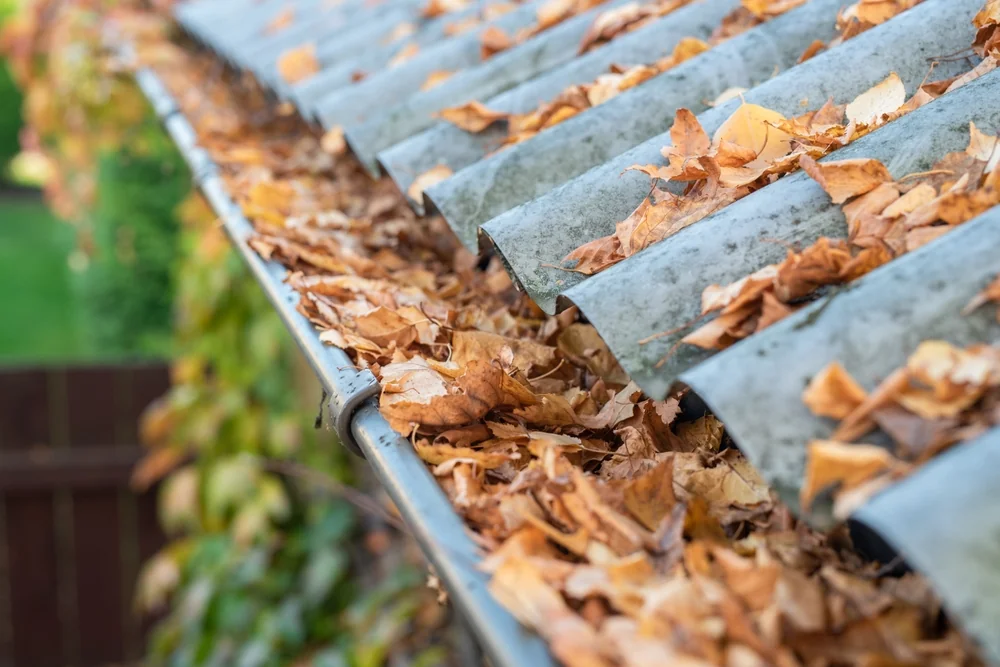
Regular Maintenance for Roof, Stormwater and Drainage Systems
Blocked gutters and stormwater drains are among the most common contributors to household flooding in Brisbane. Leaves, sediment and debris accumulate gradually and often go unnoticed until heavy rain exposes the problem.
Routine inspections of roof gutters, downpipes and ground-level drains allow blockages to be cleared before they restrict water flow. Annual maintenance, with additional checks before storm season, helps ensure water is directed safely away from foundations and living areas.
Properties with mature trees or heavy leaf fall benefit from more frequent inspections, particularly during autumn and early summer.
Upgrades to Prevent Flood Backflow and Pipe Failures
Many Brisbane homes still operate with plumbing systems designed for past conditions. Ageing pipes, limited drainage capacity and outdated fittings struggle to cope with increased water demand and more intense rainfall.
Targeted upgrades can significantly improve resilience. Replacing deteriorating pipe sections, installing sewer backflow prevention devices and upgrading pressure control valves reduce the risk of sudden failure. Modern hot water systems with improved safety features also lower the likelihood of leaks and shutdowns.
For underground sewer lines, relining techniques offer a non-invasive way to strengthen pipes and protect against root intrusion and soil movement.
Understanding the Role of Soil Movement and Foundation Stress
Brisbane’s clay-rich soils expand and contract with changing moisture levels. Over time, this movement places stress on underground plumbing, particularly at joints and connection points.
Homes experiencing cracking paths, shifting paving or recurring pipe issues may benefit from a professional assessment of plumbing alignment and support. Addressing movement-related stress early reduces the chance of unexpected failures during extreme weather.
Preparing for Brisbane’s Weather Patterns and Growth
Brisbane continues to grow, placing increased demand on shared infrastructure such as sewer and stormwater networks. At the same time, weather patterns are becoming less predictable, with heavier rainfall events occurring more frequently.
Homeowners can reduce risk by keeping emergency supplies accessible, reviewing insurance coverage regularly and scheduling periodic plumbing inspections. Awareness of local flood behaviour and drainage limitations also helps inform long-term planning decisions.
Preparation does not eliminate emergencies, but it does significantly reduce their impact.
Plumbing emergencies cannot always be prevented, but their impact can be reduced. Brisbane homeowners who understand common risks, act quickly during incidents and invest in basic maintenance and inspections are far better protected from serious damage and costly repairs. At Plumbing Inspectors, we encourage homeowners to stay informed and address potential issues early, as preparation and awareness make a meaningful difference when plumbing problems occur.

.webp)